

Cosmetics for dry hair differ in two respects: a gentle cleansing base instead of harsh sulphates, and ingredients that put water back into the hair and keep it there. Everything else is fragrance and packaging. If you read only one line on the label, make it the ingredients list, not the marketing on the front.
- 1. What makes cosmetics for dry hair different
- 2. Why hair becomes dry
- 3. Which ingredients hydrate and which dry out hair
- 4. Sulphate-free shampoo: how to read the label
- 5. Dry hair care step by step
- 6. Shampoo for dry hair with Damask rose
- 7. How to use
- 8. What to expect when switching shampoo
- 9. Reviews
- 10. Frequently asked questions
1What makes cosmetics for dry hair different
The difference is not in the word 'hydrating' on the label. It lies in the balance between what the product washes away and what it leaves behind. An ordinary shampoo is designed to cleanse as thoroughly as possible, including the natural lipid film that coats each strand. On normal hair, the scalp restores this film within a day or two. On dry hair, it simply cannot keep up.
That is why cosmetics for dry hair start with a gentler cleansing base and add two groups of ingredients: humectants, which attract water, and emollients, which smooth the cuticle scales so the water does not evaporate straight away. Everything else in the bottle serves these two jobs.
It is worth separating dry hair from a dry scalp. The two often go together, but not always, and the care each needs is different. If your scalp flakes or itches, the approach is different again, and it starts at the scalp rather than the lengths.
2Why hair becomes dry: the causes behind dry and damaged hair
September is the month when salons and pharmacies suddenly fill up with questions about dry hair. The reason is build-up. Three months of sun, salt or chlorinated water, and heat styling leave a mark that only becomes obvious once you settle back into your daily routine.
Ultraviolet rays break down the proteins in the cuticle, and the hair loses its ability to hold onto water. Salt water draws out moisture through osmosis. Chlorine and minerals in pool water settle on the hair. None of this shows straight away, but the effect builds up over time.
The good news is that the first four causes are on the list of things you can change this week. Cosmetics will not replace the hairdryer, but choosing the right one reduces the price your hair pays for it.
3Ingredients in cosmetics for dry hair: which hydrate and which dry out hair

This is where most purchases fall short of expectations. A shampoo can carry a picture of argan on the front while a harsh sulphate sits in the first three lines of the ingredients. The ingredients list is ordered by quantity, so the first five lines decide almost everything.
- Glycerin, draws water into the hair and is one of the best studied humectants
- Plant oils such as argan, macadamia and babassu, which smooth the cuticle
- Hydrolysed proteins from rice, hemp or wheat, which rebuild the structure
- Panthenol, retains moisture and improves elasticity
- Herbal waters instead of plain water in the base of the formula
- Gentle surfactants with names containing glucoside or betaine
- Sodium Lauryl Sulfate near the top of the list, the harshest of the common sulphates
- Denatured alcohol high up in the formula, evaporates and takes moisture with it
- Heavy silicones, which give instant shine but build up over time
- Products promising volume, which usually dry hair out on purpose
- Dry shampoos used as a regular substitute for washing
Silicones deserve a sentence of their own, because opinions about them tend to run to extremes. They are not harmful in themselves, and they really do smooth the hair. The problem with dry hair is different: they create a feeling of hydration without adding any water, and underneath the layer the hair is still dry. If you rely on them alone, the condition does not change, it is only masked.
4Sulphate-free shampoo: how to read the label in two minutes

You do not need to decode the whole formula. Turn the bottle over, find the line that starts with Aqua, and read the next three or four ingredients. These form the cleansing base and determine how gentle the shampoo will be. Here is what you will see most often.
Rich lather is a habit, not a sign of cleanliness. Sulphate-free shampoos foam less, and that is usually the first thing that surprises people when they switch. We have also written in detail about how to choose the right shampoo for your hair.
If you remember only one thing from this article, make it this: read the three ingredients after Aqua. They say more about the shampoo than the front label ever will.
5Dry hair care step by step
The right product used the wrong way only gets you halfway there. These six steps require nothing extra, just a small change in the order you do things.

Once a week, add a nourishing mask or leave the conditioner on for longer. If dryness is accompanied by increased hair loss, take a look at our complete guide to a hair loss prevention routine.
- Lukewarm water for washing and rinsing
- Shampoo on the scalp, conditioner on the lengths
- Heat protection before every blow-dry or straightening session
- Trim the ends every two to three months
- A silk pillowcase or a loose braid overnight
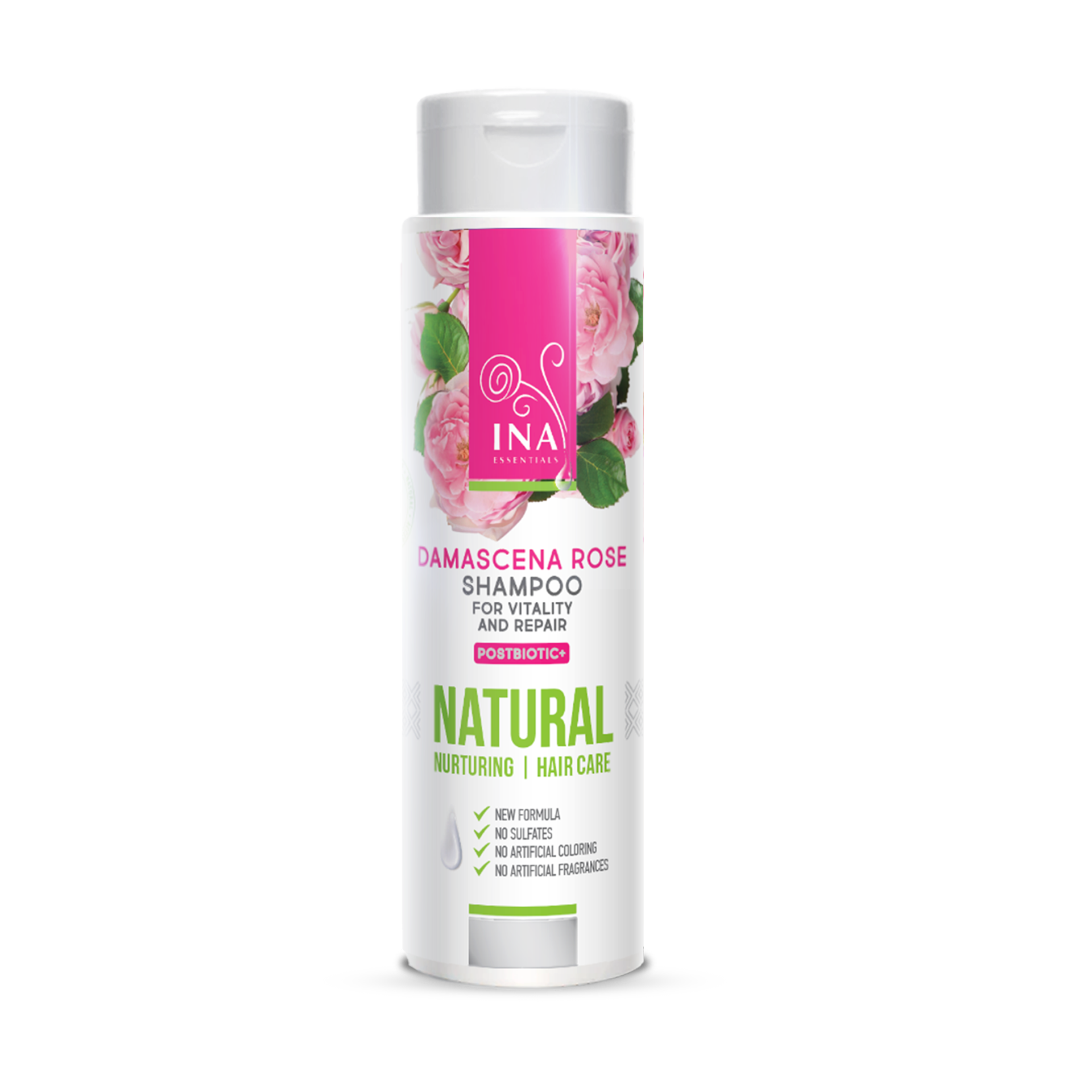
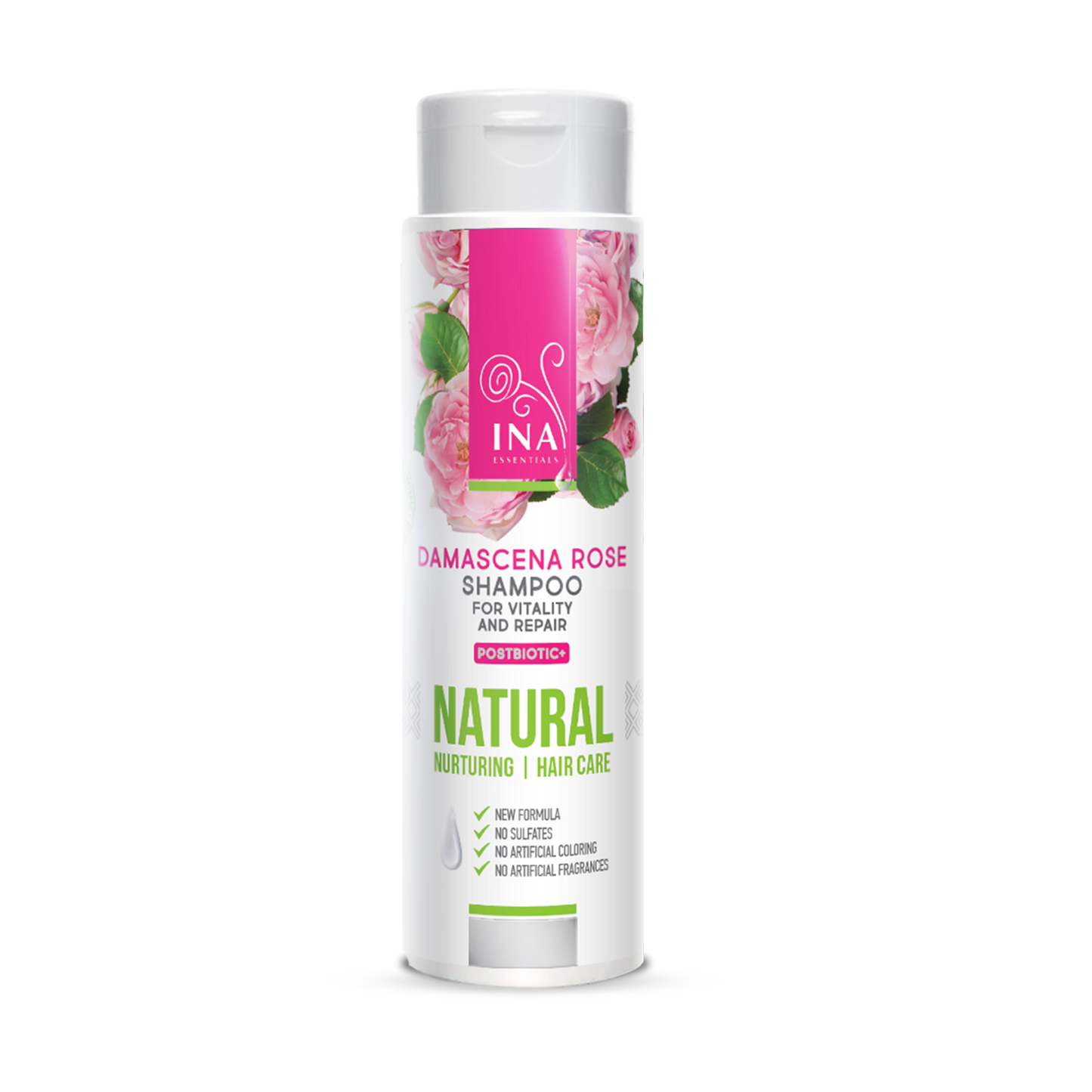
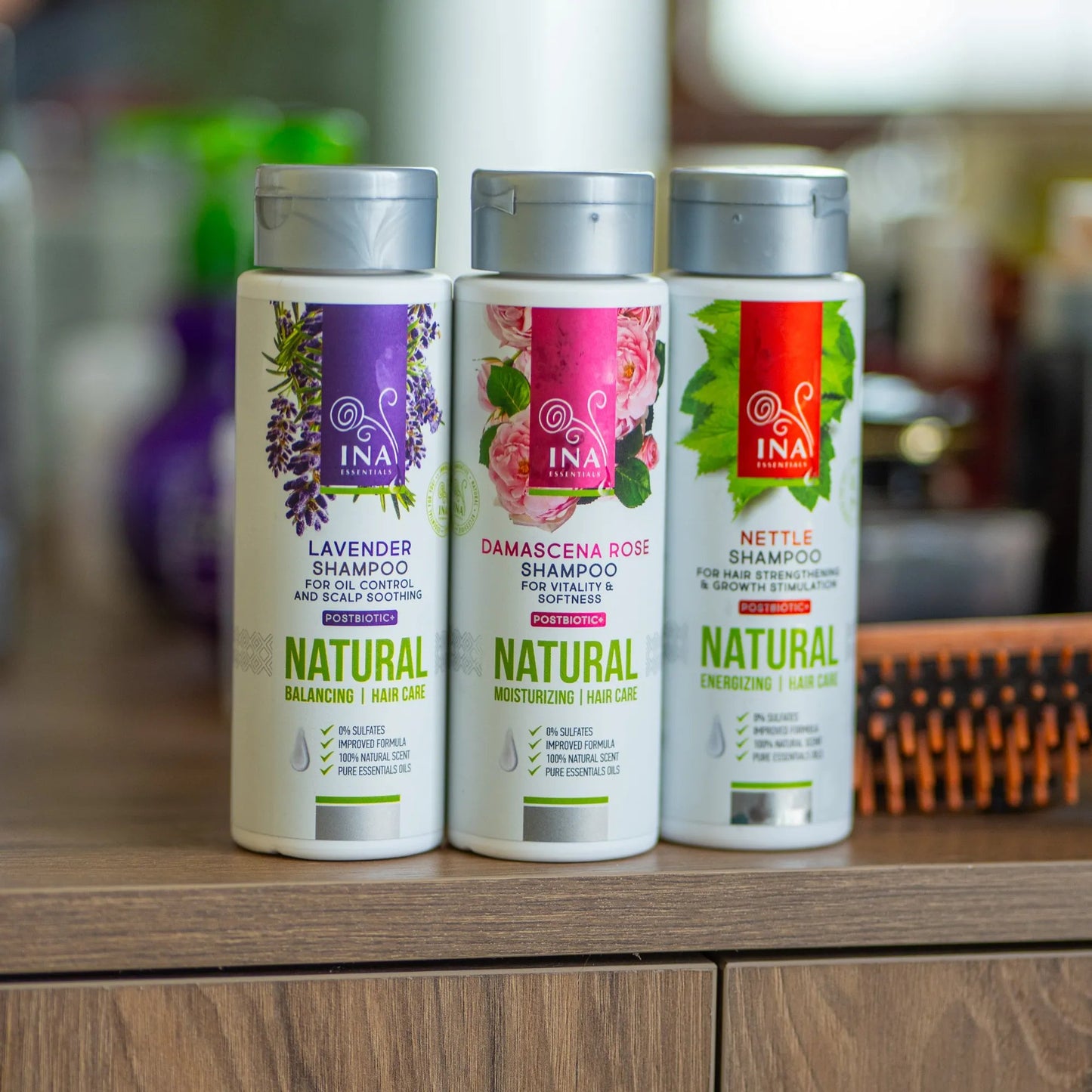
6Shampoo for dry hair with Damask rose from InaEssentials
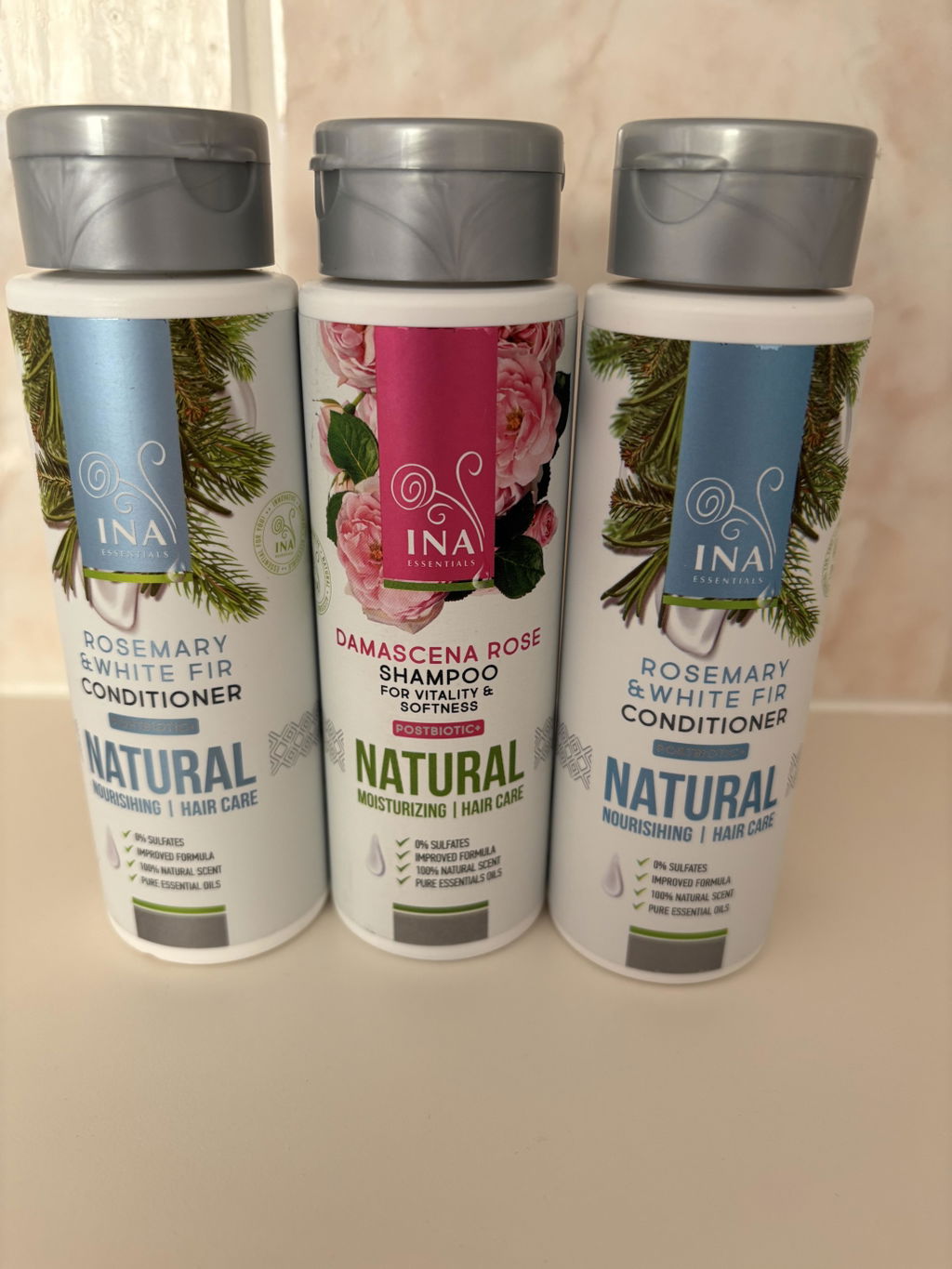
The formula of the Natural Rose Shampoo for Dry and Damaged Hair is built exactly around the principle from the previous section: a gentle cleansing base plus ingredients that put water and structure back into the hair. The Damask rose comes from the family's own plantations near Panagyurishte, and rose water replaces much of the water in the formula.

The shampoo is sulphate-free, with no parabens, silicones, artificial fragrances or colourants. The scent you notice is from the rose itself. The Damask rose in it comes from the family's own plantations.
Rich in antioxidants that protect the hair and scalp from oxidative stress. They soothe an irritated scalp and give off the natural scent of Damask rose while you wash.
The classic humectant. Draws moisture to the scalp and hair and prevents that tight, dry feeling after washing.
A postbiotic developed in Italy. The vitamins and minerals in it support the hair's elasticity and give it visible softness and shine.
A plant-based alternative to animal keratin. Amino acids and peptides from hydrolysed hemp seed and rice protein rebuild the hair's structure and improve its elasticity.
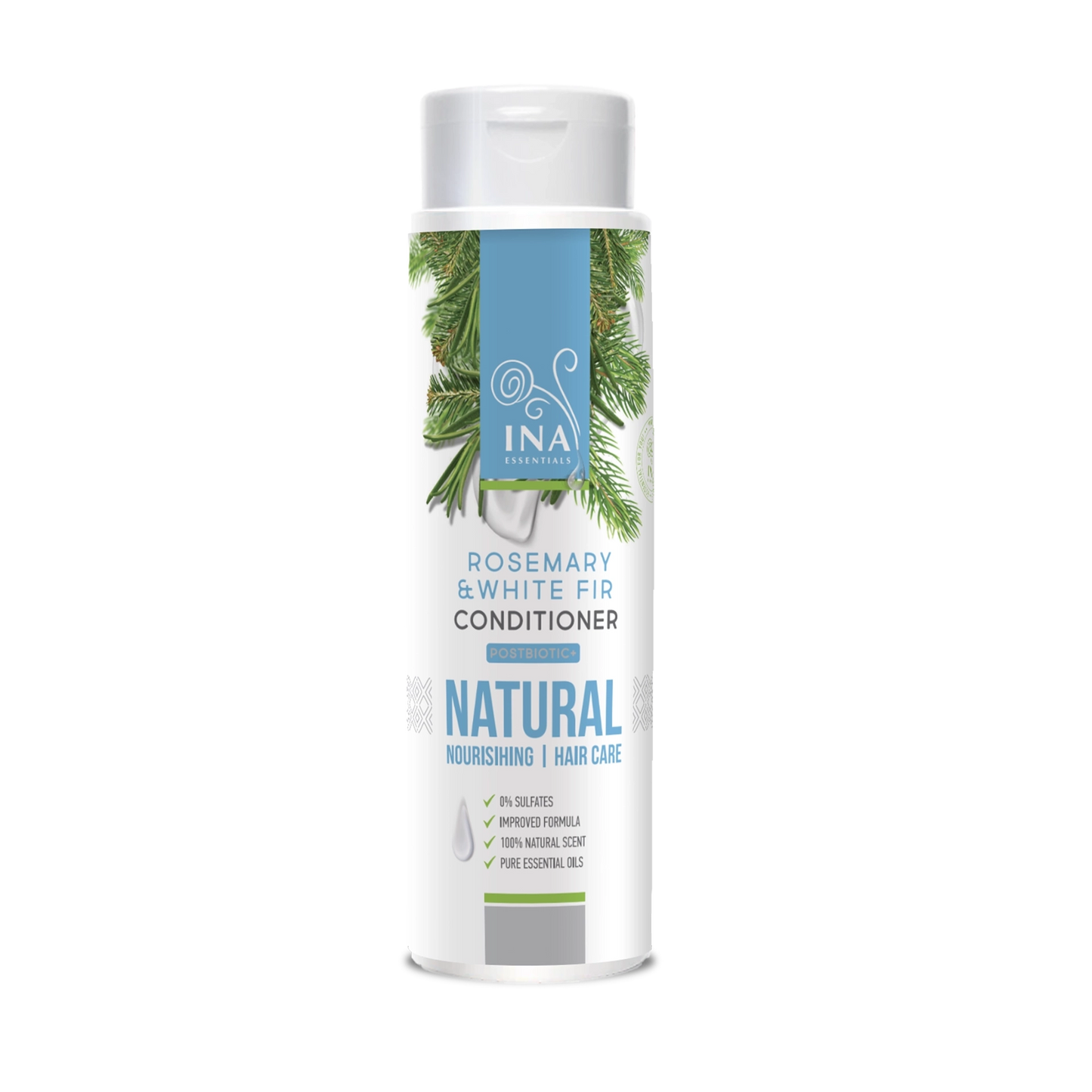
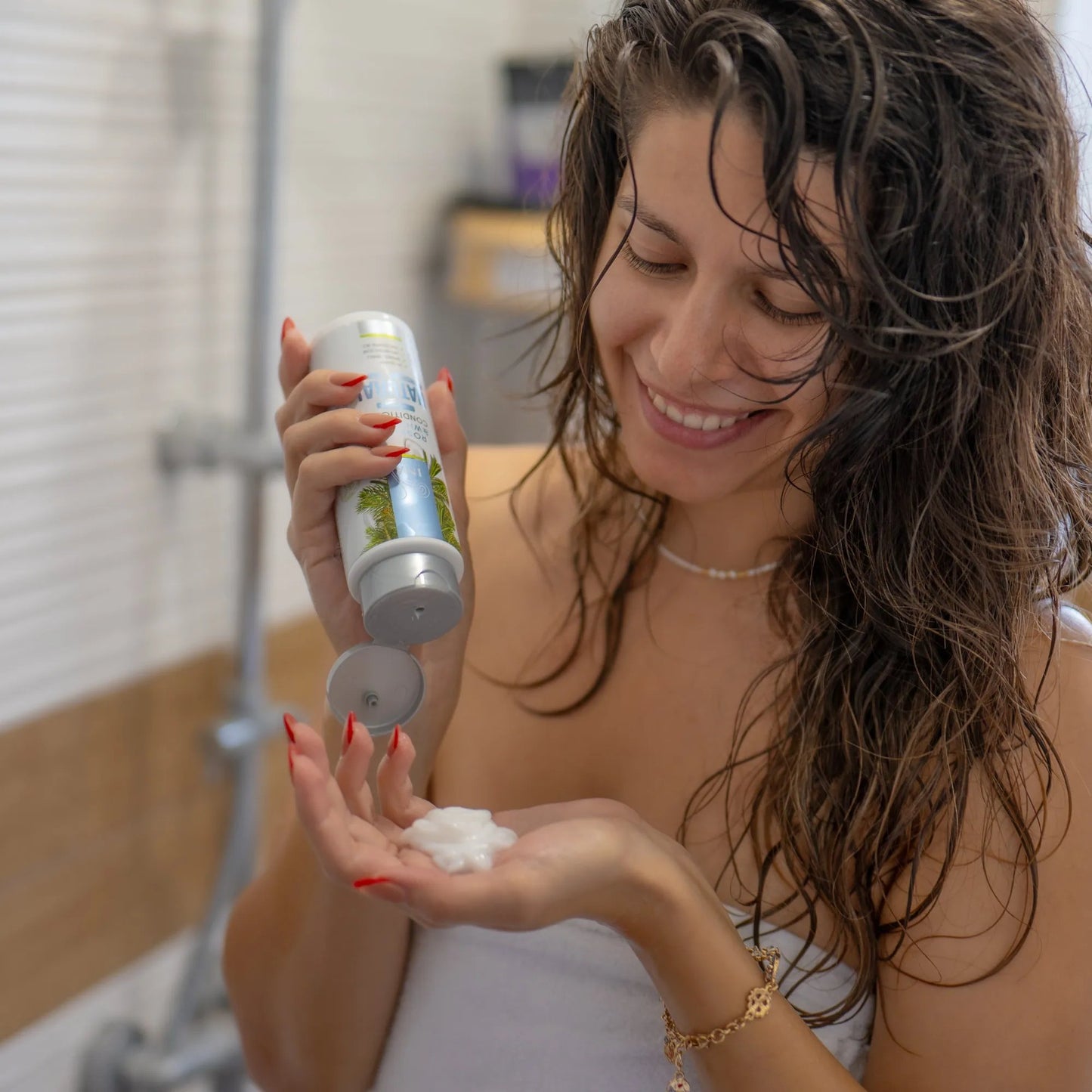
For dry hair with split ends, the shampoo works best paired with the Natural Hair Conditioner with Rosemary Oil and White Fir. The shampoo looks after the scalp, while the conditioner stays on the lengths and ends, where dryness shows first.
Buy 2, get the third free

One bottle lasts around two months if you wash every other day. The set of three covers a whole season, giving you enough time to get through the adjustment period comfortably and see how your hair responds afterwards.
7How to use the dry hair shampoo
With dry hair, the difference lies in the second step: shampoo that has not been rinsed out properly weighs down the lengths, and the next day hair looks more lifeless. A scalp that has not been washed thoroughly enough, meanwhile, gets greasy even faster.


How often: every other day or every three days for dry hair. If you apply conditioner every time, use it from the mid-lengths down only, so you do not weigh down the roots.
8What to expect when switching to natural hair cosmetics
Switching from a conventional to a natural shampoo does not happen overnight, and this is a common reason people give up at the wrong moment. The scalp is used to producing sebum to counter harsh cleansing, and it needs time to slow down.
If you have already tried several products with no result, take a look at the rest of your routine too. Sometimes the problem is not the shampoo but the water, the hairdryer or how often you wash. We have also put together the full InaEssentials hair care range, if you are looking for a combination suited to a specific condition.
9What people with dry hair say
The shampoo has 4.88 out of 5 stars from 862 ratings. We've picked out reviews where people describe exactly the condition this article is about: dry hair, often coloured or worn out after summer.
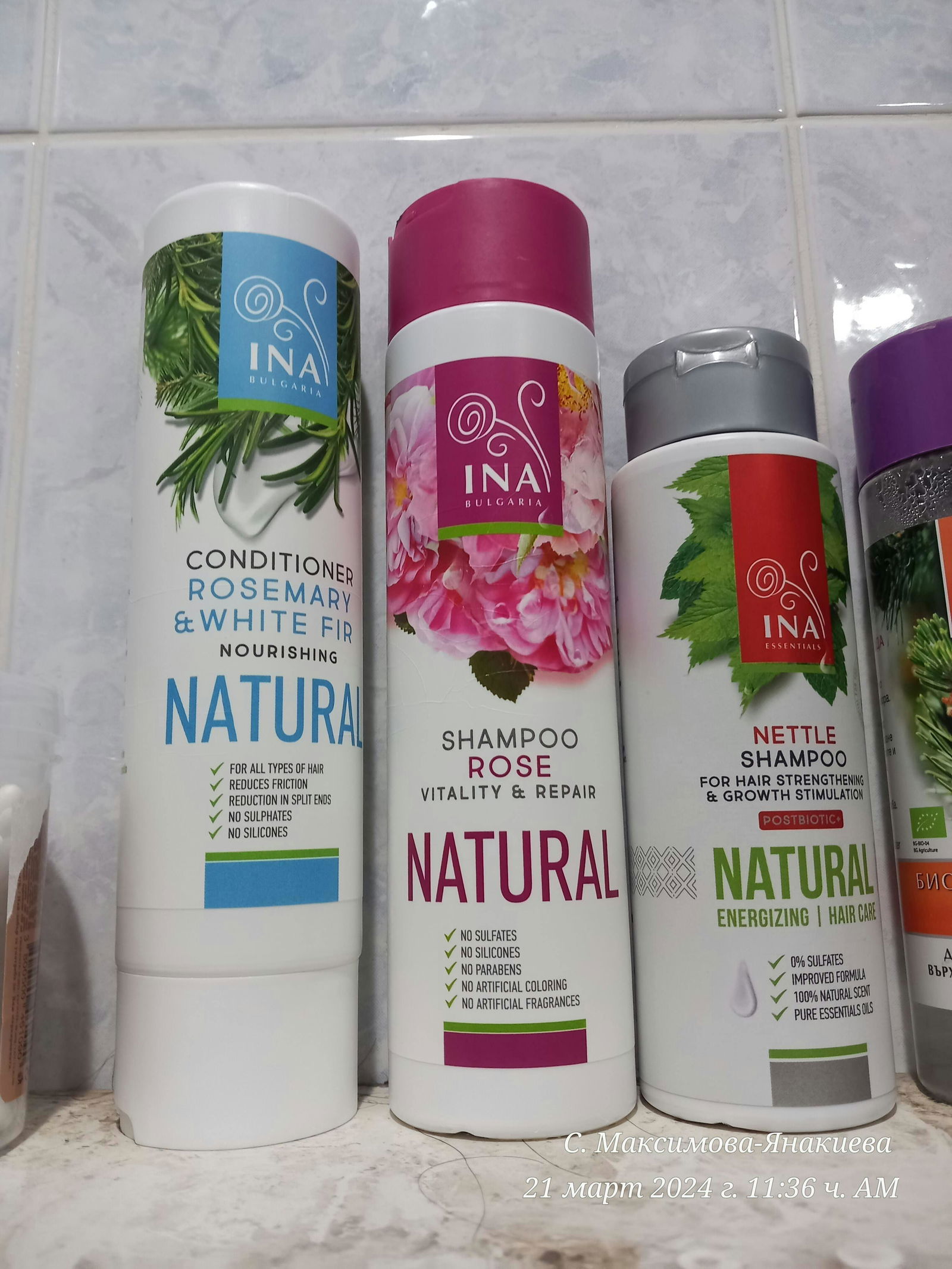
„This is my fourth year using it as a second wash shampoo after the nettle one and before applying the rosemary conditioner. For my dry and coloured hair, it's like an elixir. Thank you, InaEssentials, for this and for everything from your health and beauty factory, which gives me confidence and the look of a well-cared-for, almost 60-year-old woman! ❤️🥰"
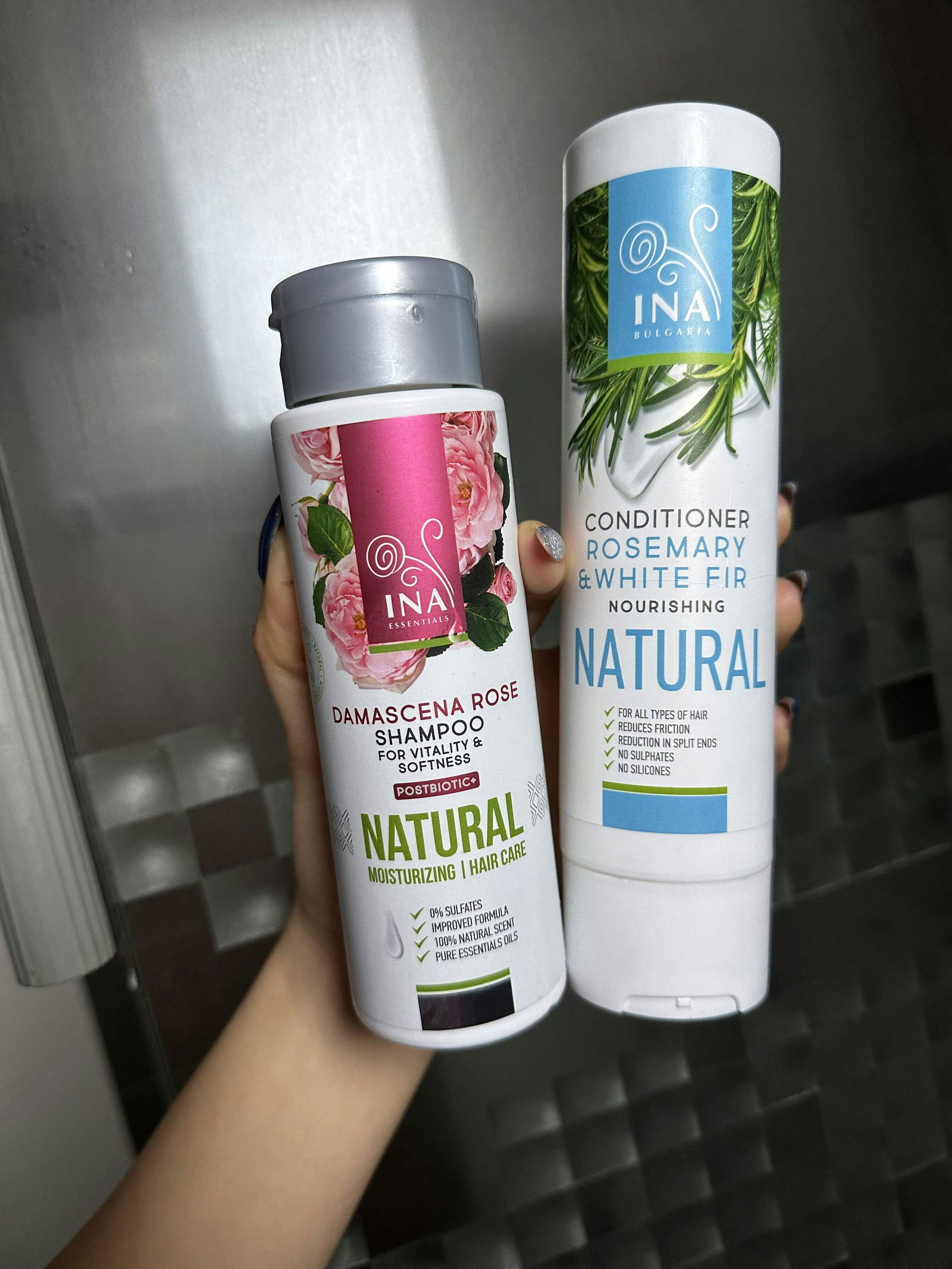
„This is my first time using products from InaEssentials' hair range, and I'm thrilled with the results. The scent is captivating, but it's not overpowering, as it smells so fresh and natural. The shampoo leaves the scalp clean without irritating it, and the conditioner nourishes the ends without weighing the hair down. It's definitely the best value for money on the market. I wholeheartedly recommend it :)"
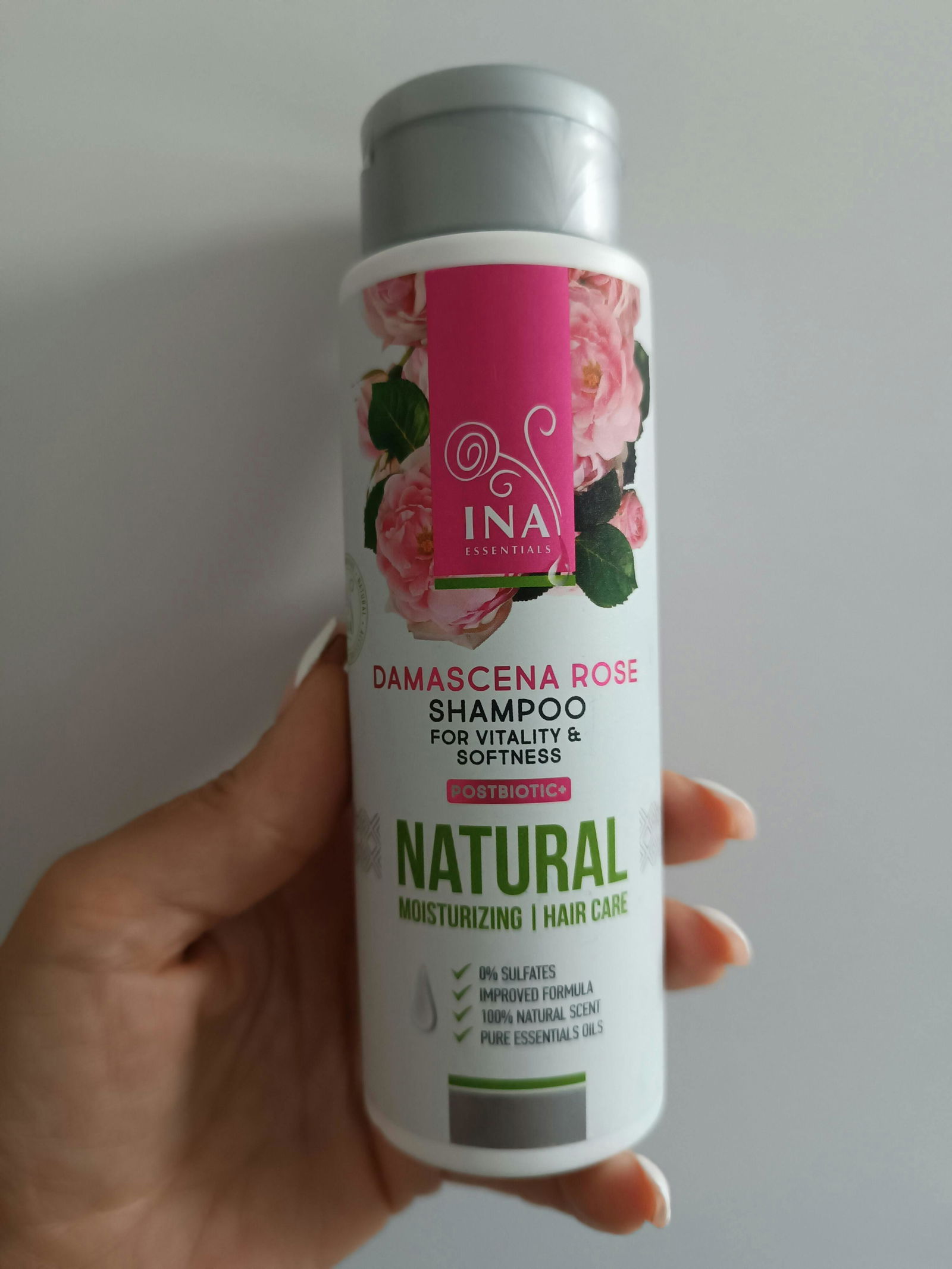
„I've been using it for about two weeks now and I'm slowly seeing an improvement. I do have to use your conditioner as well, mind, because my ends are absolutely parched. But I'm happy enough with it so far 😉"
„They wash the hair really well and give it lightness and shine. I'm absolutely delighted with these shampoos. Thank you for making Bulgarian natural cosmetics that are affordable and top quality."
„This is a really good shampoo. My hair feels lovely after using it, especially when I use it with the conditioner. It cleans well and moisturises. I've already bought it a second time!"
About the InaEssentials family

InaEssentials is a Bulgarian family business with over 25 years of experience in organic farming and natural cosmetics made with rose oil, herbal waters and actives from their own plantations. Every product is created with care for the skin and respect for nature.
The Ralchevi family grows Damask rose on their own plantations near Panagyurishte and follows every step from the field to the finished bottle. You can read more about the family's journey on our About page.
10Frequently asked questions about cosmetics for dry hair

Which cosmetics for dry hair suit coloured hair?
How often should I wash dry hair?
How long does it take to see a difference after switching to cosmetics for dry hair?
Sources and important information
- European Regulation 1223/2009 on cosmetic products, requirements for composition and ingredient labelling (INCI).
- Robbins, C. R. Chemical and Physical Behavior of Human Hair, Springer, on cuticle structure and moisture loss.
- Gavazzoni Dias, M. F. R. Hair Cosmetics: An Overview, International Journal of Trichology, on the action of surfactants and humectants.
InaEssentials products are cosmetics, not medicines. The content of this article is for informational purposes only and does not replace advice from a specialist. If you experience severe itching, redness, sores on the scalp or a sudden change in your hair's condition, please consult a dermatologist.
This article was created with the help of AI to gather and structure information, after which it was carefully reviewed, edited and fact checked by our team.