

Itchy scalp and hair loss are linked, but itching on its own rarely pulls hair out. Scratching breaks the hair shaft, long-lasting irritation around the follicles weakens growth, and stress and the change of season often bring on both at the same time. Soothe your scalp, stop scratching and keep an eye on how the hair falls. If you have bald patches, sores or sudden heavy shedding, see a dermatologist.
1Itchy scalp and hair loss: are they linked?
When your scalp itches and at the same time there are more hairs on your pillow, it's easy to assume one leads to the other. Sometimes it does. More often, though, both come from a shared source or simply happen at the same time.

Three ways itching and hair loss meet
We cover the five main causes of an itchy scalp in our main article on itching. Here we only look at the cases where it comes with hair loss.
2How much hair you lose a day and when an itchy scalp signals more
Every day we lose an average of 50 to 100 hairs. They're at the end of their cycle, and a new hair is already growing in their place. On wash days the number looks higher, because the hairs that came loose the day before fall out too.

How to check whether you're losing more hair
- ✓Collect the hairs from your brush and pillow for three days in a row, on days you don't wash.
- ✓Look at the end of the hair: a white bulb means it fell from the root; a blunt or frayed end means it broke.
- ✓Gently hold a strand of about 50 hairs and slide your fingers along it: more than 5-6 in your hand is a reason to keep watch.
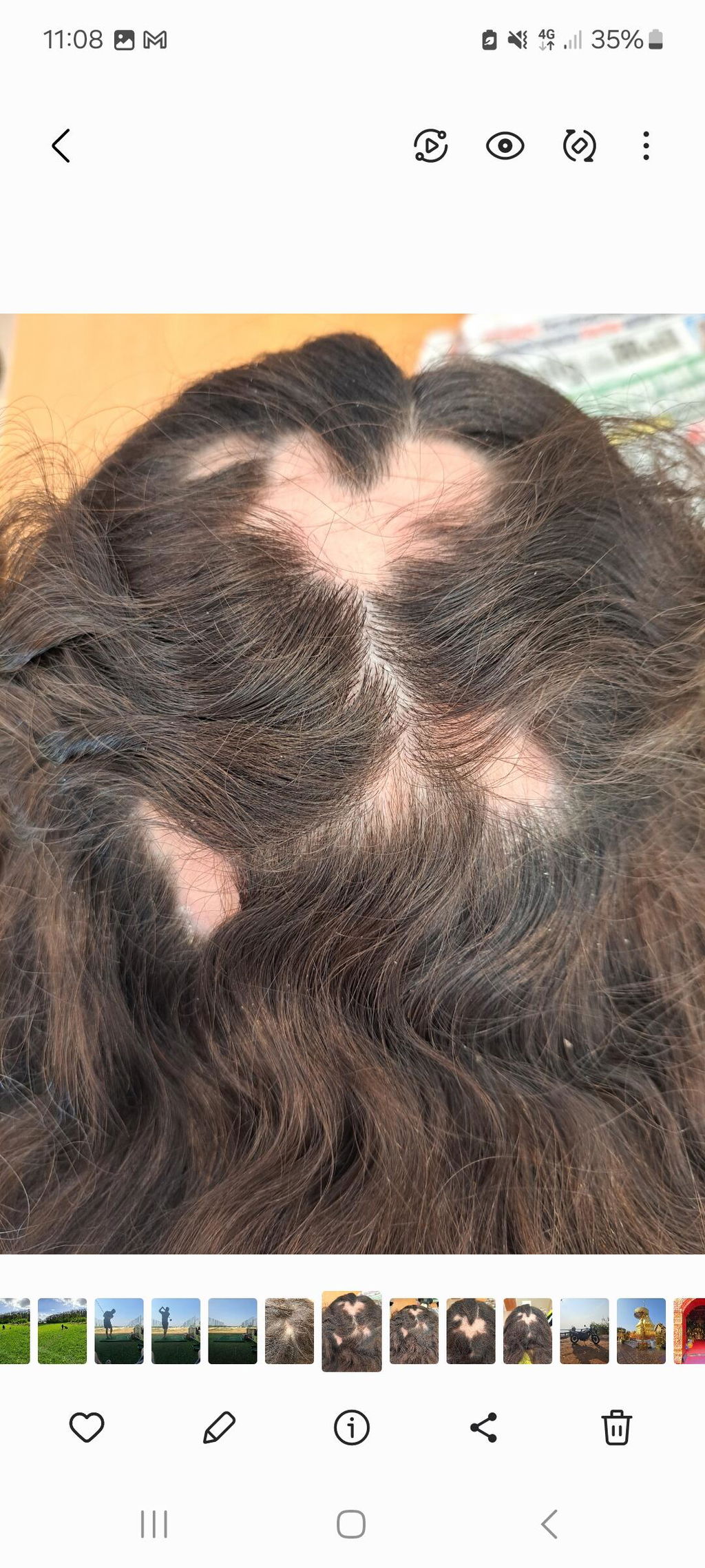
- ✓Look at your parting and crown in strong light: do you see thinning or a patch?
For a quicker idea, you can also take the test on how noticeable your hair loss is.
3Itchy scalp and hair loss from scratching
This is the most common and most harmless link. When your head itches, your hand reaches for it without you noticing, especially in the evening and while you sleep. Nails tear the surface of the skin and break the hairs.
This kind of hair loss from scratching shows up as broken hairs of different lengths in the area you scratch most, usually the nape and behind the ears. The follicle isn't affected, so the hair grows back once you stop scratching.
- Short, filed nails.
- A cool, damp cloth on your scalp for a few minutes when the itching gets strong.
- A loose hairstyle in the evening, without tight hair ties.
- A pillowcase in a smooth fabric, such as cotton sateen.
- Scratching with nails or a comb on irritated skin.
- Tight ponytails and braids on an itchy scalp.
- Very hot water and a hairdryer held close to the skin.
- Picking off flakes with your fingers.
4Itchy scalp and hair loss with seborrhoea and dandruff
When the itching comes with greasy yellowish flakes and redness, the cause is often seborrhoeic dermatitis. Long-lasting irritation around the follicles weakens the hairs, and scratching adds mechanical breakage. The shedding in this case is usually temporary and eases once the scalp calms down.
We explain in detail how dandruff affects your hair in the causes of dandruff. If you're not sure whether the flakes are dandruff, see how to tell dandruff from a dry scalp.
5Itching, stress and autumn hair loss: when they come together
Stress heightens the feeling of itching and makes many people scratch their head without realising. The same strain can send more hairs into the resting phase. They fall out around two to three months later, when we rarely connect the shedding with stress any more.
Now, in October, the season adds to it. Autumn shedding is at its strongest right at this time of year, and once the heating goes on, the air indoors dries out and the scalp starts to feel tight and itchy. That's how itchy scalp and hair loss overlap, without one causing the other.
More on this: hair loss from stress and autumn hair loss.
6Self-check: what the type of hair loss tells you with an itchy scalp
The way your hair falls tells you more than the itching itself. Compare with what you see and follow the link to the section that explains the cause.

7When itching and hair loss are a reason to see a dermatologist
Cosmetics can help an irritated scalp, but they don't replace an examination. Some conditions that cause itching and hair loss need treatment that only a doctor can prescribe.
See a dermatologist when: your hair falls out in patches or suddenly in clumps; the skin on the patch is smooth and shiny; there are pus-filled spots, crusts or pain; the itching has been intense for more than a few weeks; a child has a scaly patch with broken hairs.
It helps to tell the doctor when the shedding started, what happened two to three months before, and which products you wash your hair with. Sometimes they'll also ask for tests, for example for iron and thyroid function.
8Scalp care at home for itching and hair loss
Once a doctor has ruled out a medical condition, or if the signs are mild, there's one goal: a calm scalp that you don't feel the need to scratch. Hair needs time, so judge the results in months, not days.
A simple routine for an itchy scalp and hair loss
We explain in detail how to choose a shampoo that doesn't irritate in our article on shampoo for itchy, sensitive scalp. Causes we rarely think of are collected in itchy scalp without dandruff.
9Hydrobiotic Nettle & Clary Sage for an itchy scalp and hair loss
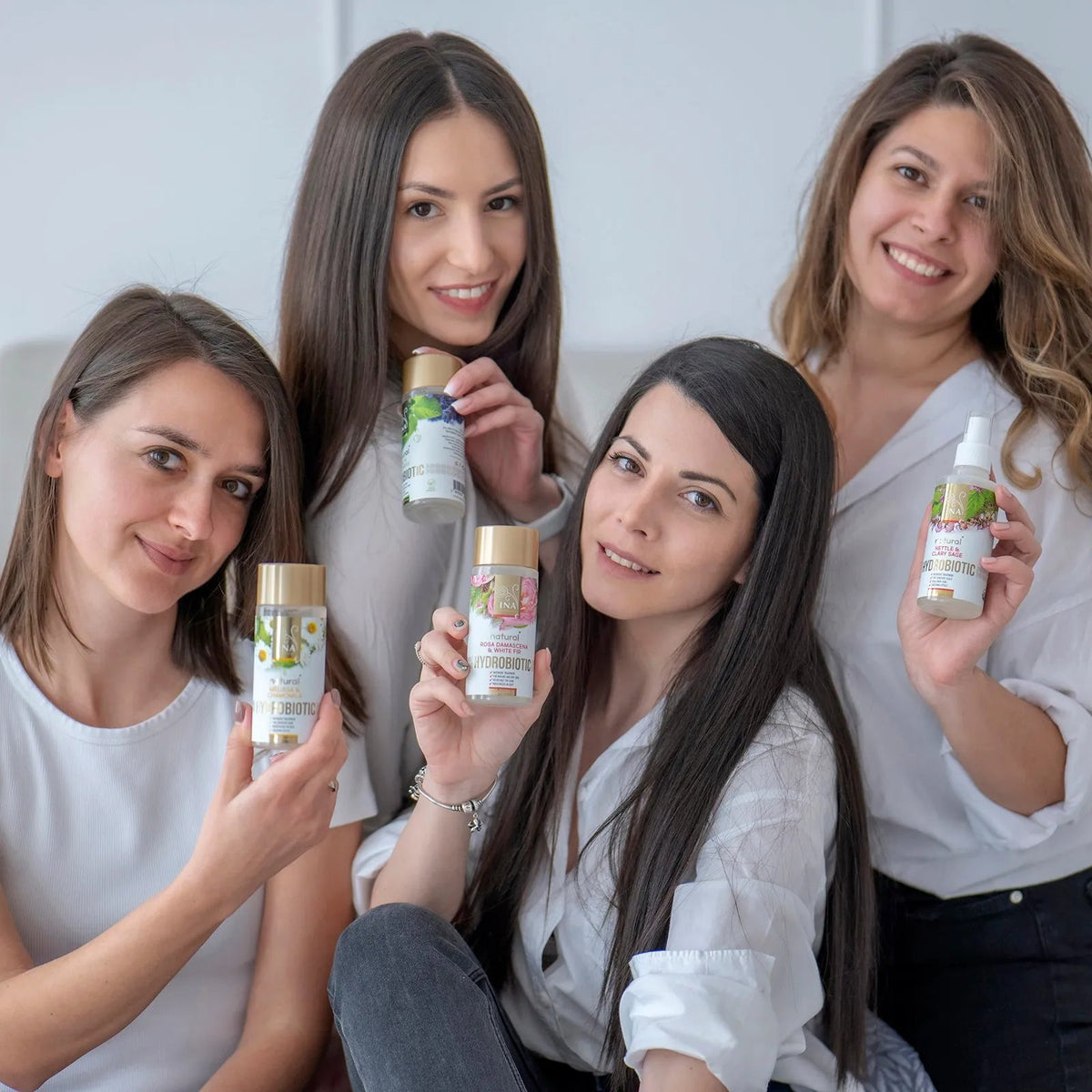
Hydrobiotic Nettle & Clary Sage is a leave-in night-time treatment that you spray directly onto the roots. It brings together our two hair herbs: nettle, which we use in care for hair loss and oily roots, and clary sage, which soothes an irritated scalp.

A traditional herb in hair care for shedding hair and a scalp that gets oily quickly.
Distilled from our own clary sage. Refreshes and soothes the scalp.
Plant extracts that soften and tone the scalp.
A postbiotic from fermented nettle, oak bark and liquorice root that supports the balance of the scalp.
How to use Hydrobiotic for an itchy scalp

Hydrobiotic Nettle & Clary Sage

A leave-in night-time treatment with nettle, clary sage hydrolat, liquorice root, oak bark and a postbiotic complex. No parabens, artificial fragrances or colourants. Spray onto the roots in the evening before bed.
How we harvest our nettle and what it contains, we explain in our article on nettle for hair.
10Hair Loss RoutINA for complete care of an itchy scalp and hair loss
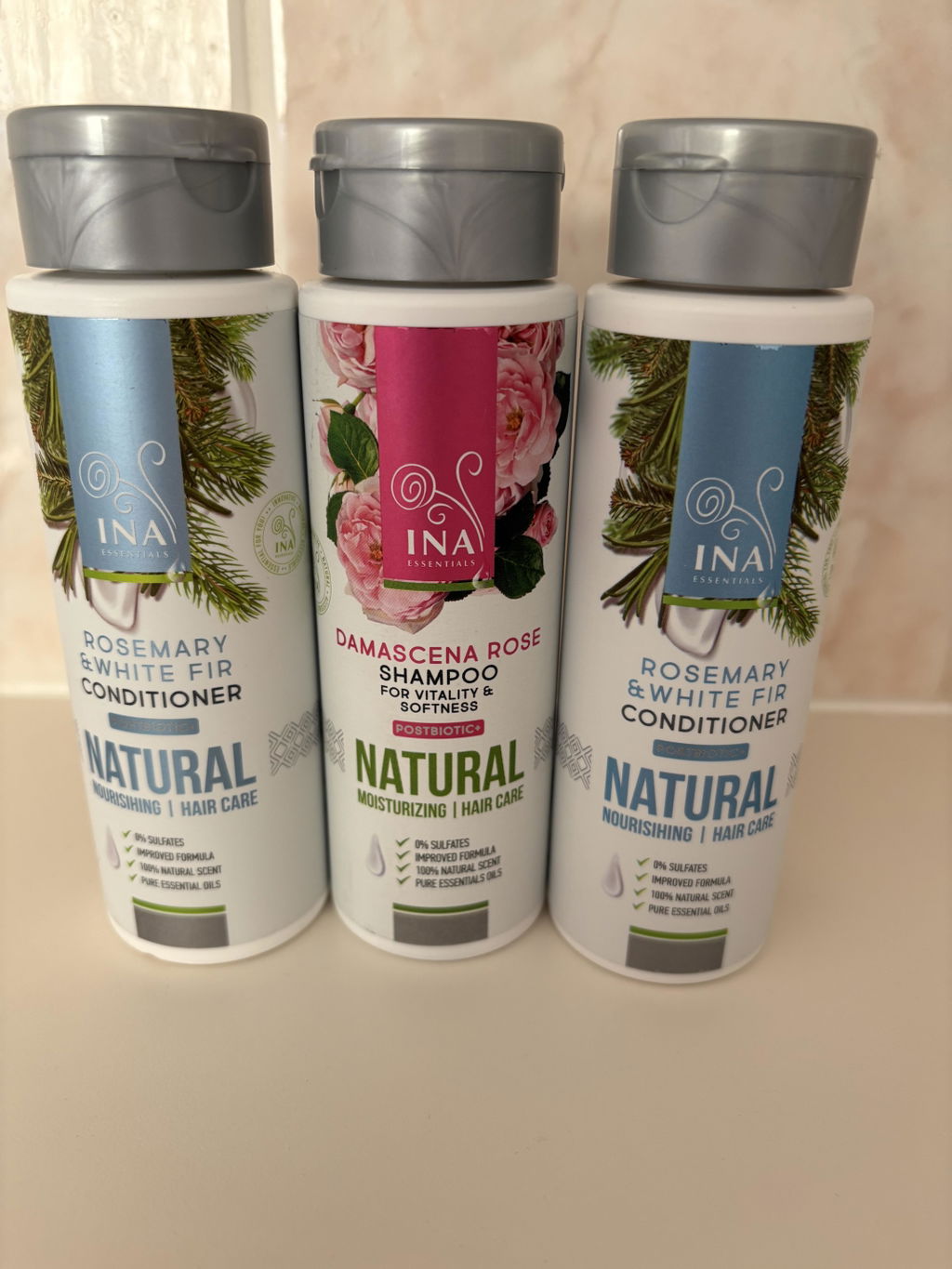
If you'd like your wash to come from the same range too, the two Hair Loss RoutINA bundles bring the nettle shampoo and Hydrobiotic Nettle & Clary Sage together in one routine. In the bundle for Her, the third product is the rosemary and white fir conditioner, and in the bundle for Him, it's Wild Nettle Water for the morning.

 Hair Loss RoutINA™ for Her
Natural Wild Nettle Shampoo for Hair Loss, Natural Hair Conditioner with Rosemary and White Fir oil, and Hydrobiotic Nettle & Clary Sage.
See the bundle for Her Hair Loss RoutINA™ for Him
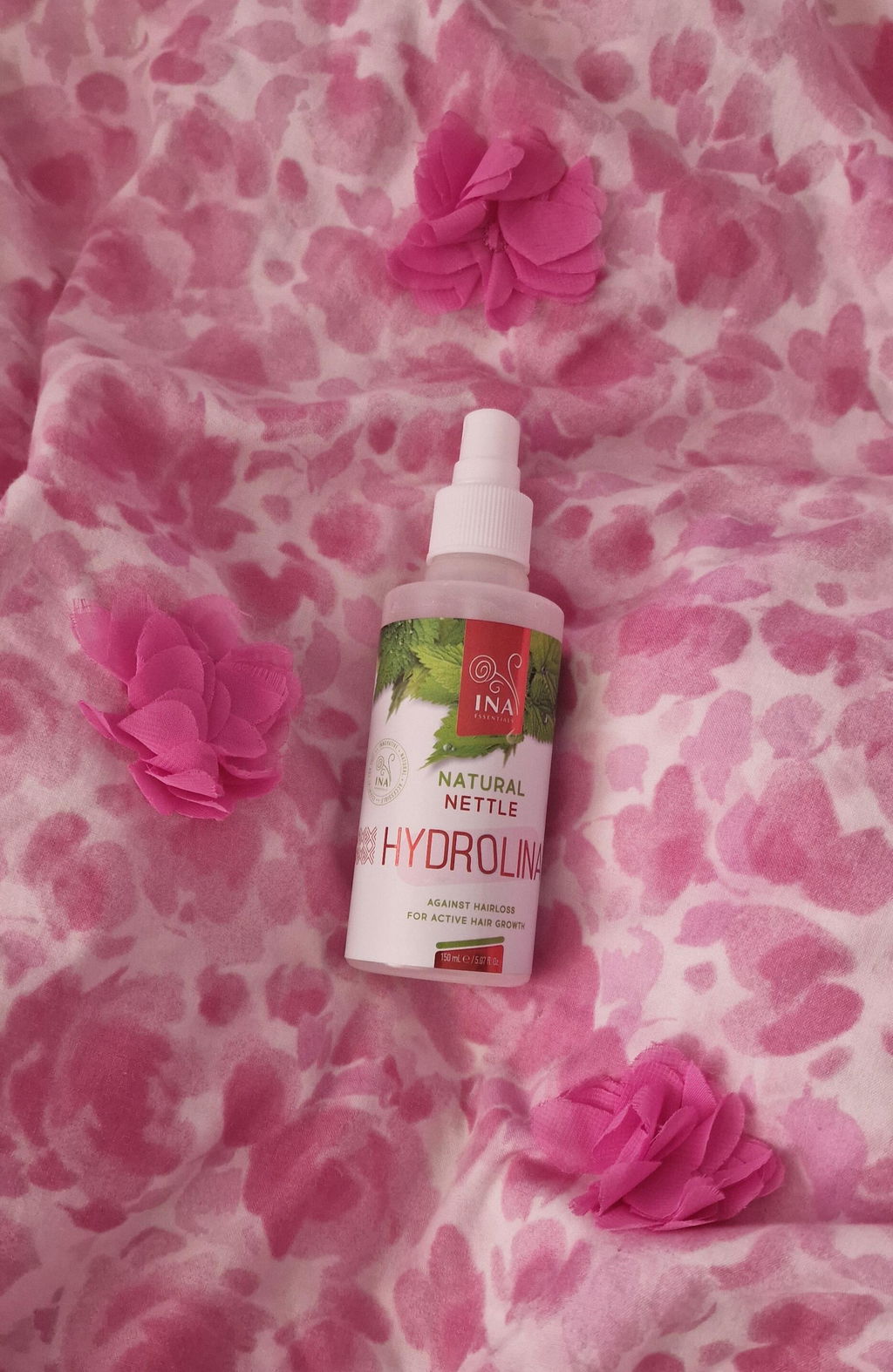
Natural Wild Nettle Shampoo for Hair Loss, Wild Nettle Water Hydrolina and Hydrobiotic Nettle & Clary Sage.
See the bundle for HimWe describe the whole morning and evening routine in our hair loss routine guide.
11Reviews of Hydrobiotic Nettle & Clary Sage for itching and hair loss
Hydrobiotic Nettle & Clary Sage is rated 4.93 out of 5 in our store. Here's what customers say who use it when their scalp itches and more hairs are left in the brush.
“This is a grand product, I've only used it a few times and my hair's not shedding as much, and it's got more life in it. Would definitely recommend!”
“This is the only thing that has really cut down on my hair loss, which I've been struggling with for years. That's why I've decided to try all the other products too. I'm very impressed and plan to keep using them going forward! Thanks a million!”

“My wife has been using it for ages now, and her hair isn't falling out nearly as much. She's absolutely delighted with it, and I'm chuffed for her too.”
12FAQs about itchy scalp and hair loss
The three questions we hear most often from people whose itching and hair loss started at the same time.

Does hair that has broken from scratching grow back?
Why does my scalp itch more and my hair fall more in autumn?
Can I spray Hydrobiotic if my scalp is sore from scratching?
10% off your order
Use code blog10 at checkout for 10% off!
About the InaEssentials family

InaEssentials is a Bulgarian family brand of natural and organic cosmetics. The family has over 25 years of experience growing essential oil crops in their own fields, and their products combine centuries-old tradition with modern innovation. They use a closed production cycle: the family oversees the whole process, from planting to production and bottling, to ensure the highest quality.
Sources and important information
- Ingredients (INCI) and directions for use of Hydrobiotic Nettle & Clary Sage and the Hair Loss RoutINA bundles, from their product pages in our store.
- Generally accepted dermatological guidance on normal hair shedding, telogen effluvium and seborrhoeic dermatitis.
- Published reviews from verified buyers of Hydrobiotic Nettle & Clary Sage (Judge.me, InaEssentials store).
InaEssentials products are cosmetics, not medicines. The content of this article is for information only and does not replace advice from a specialist. If you have severe or persistent itching, sores, hair loss or a suspected fungal infection, see a dermatologist. Before using a new product for the first time, do a patch test on a small area of skin.
This article was created with the help of AI to gather and structure the information, and was then thoroughly reviewed, edited and fact-checked by our team.