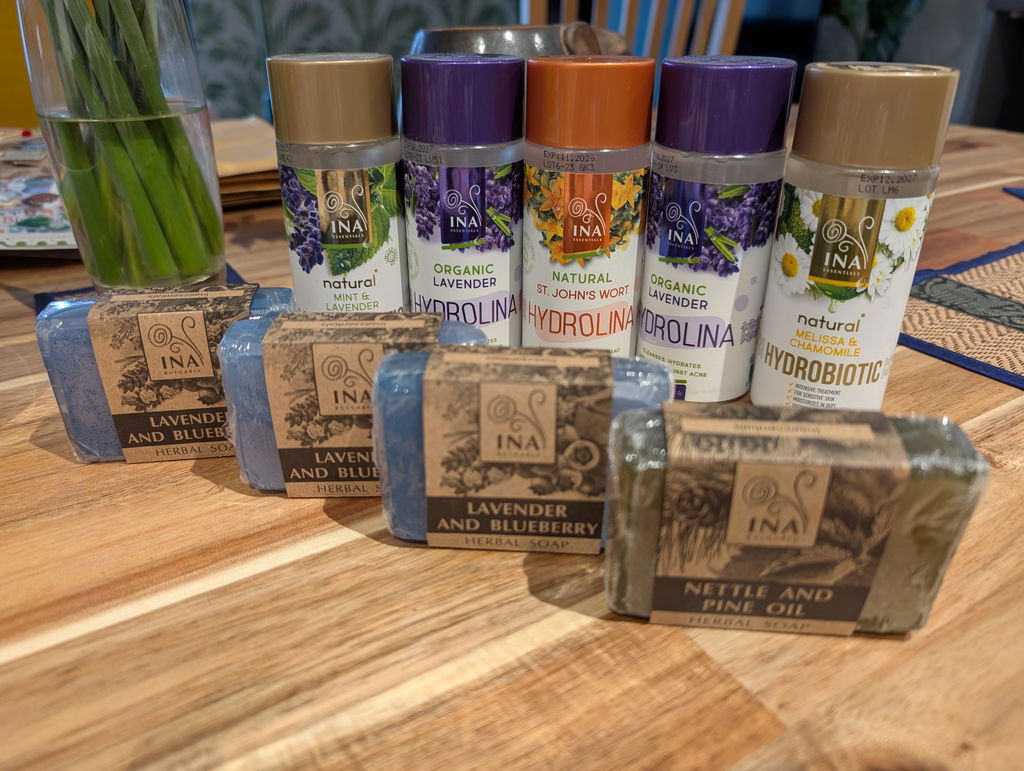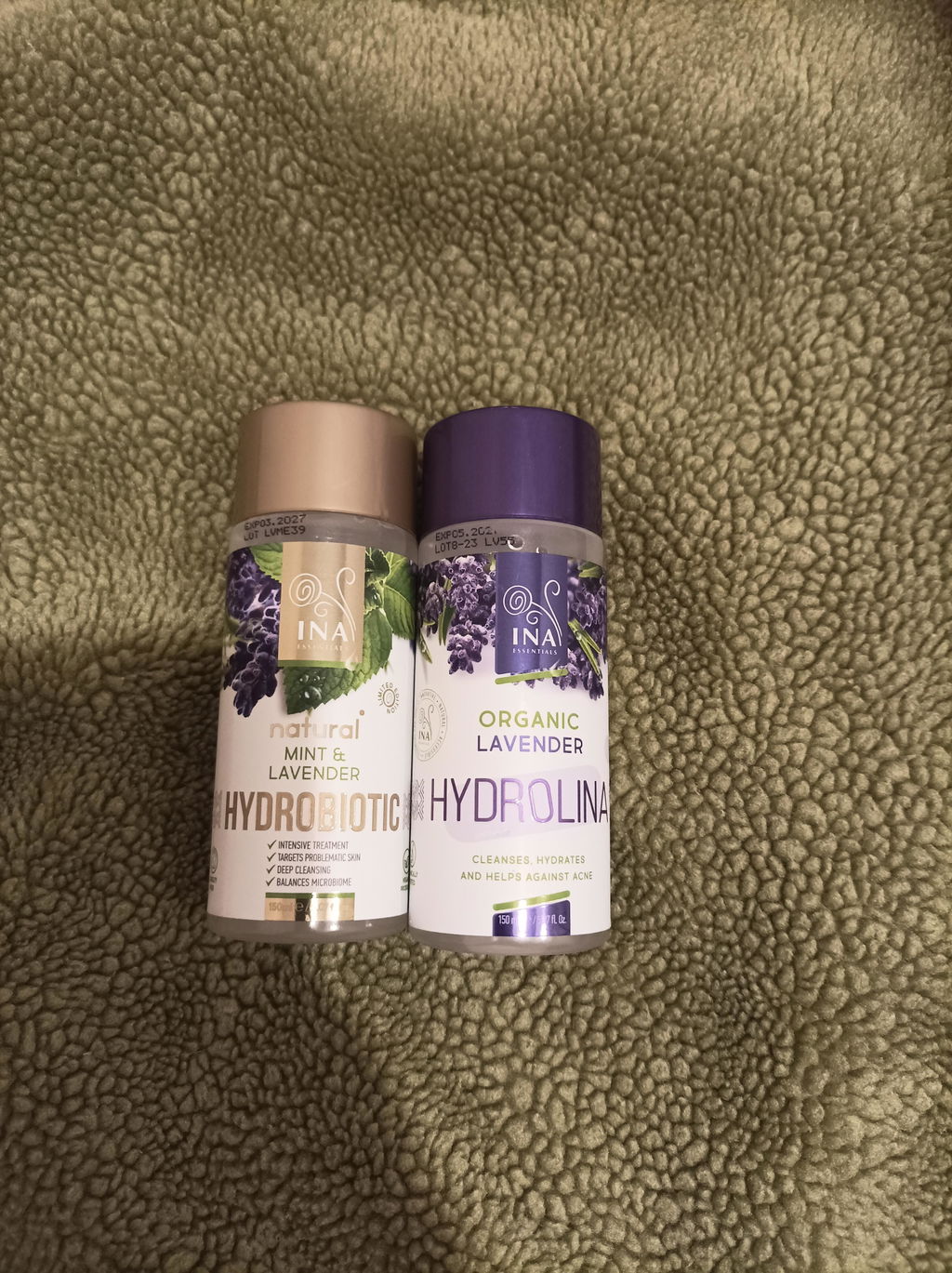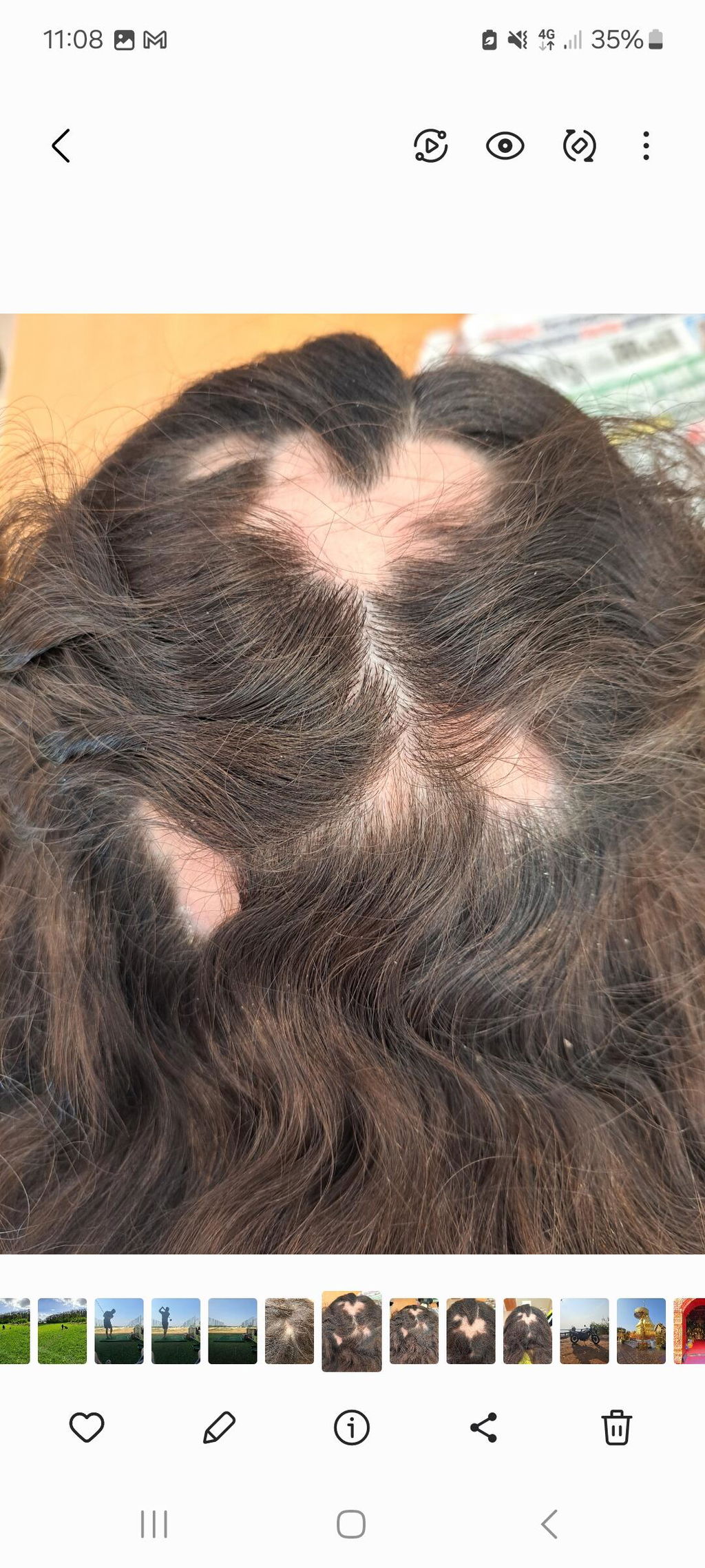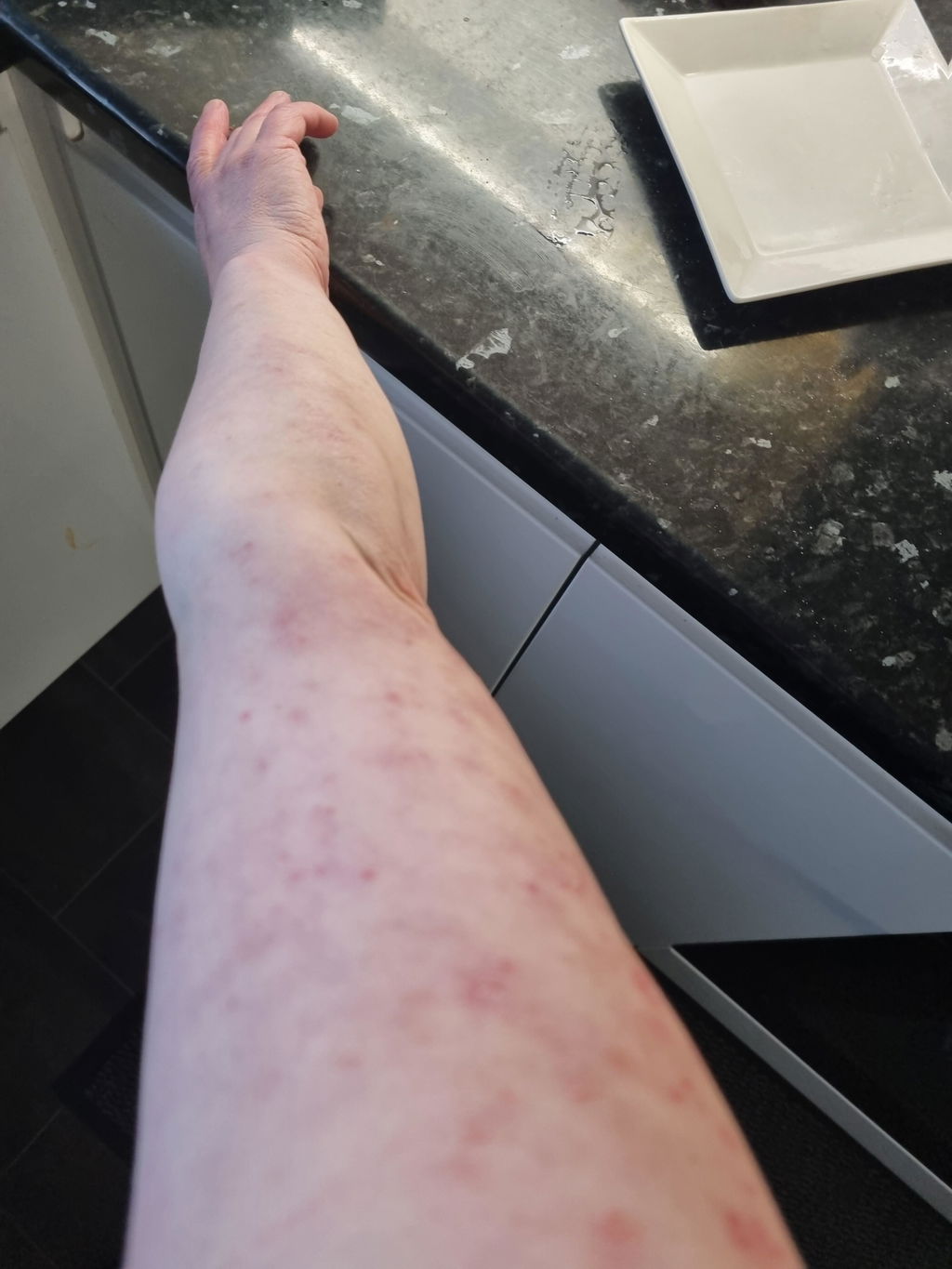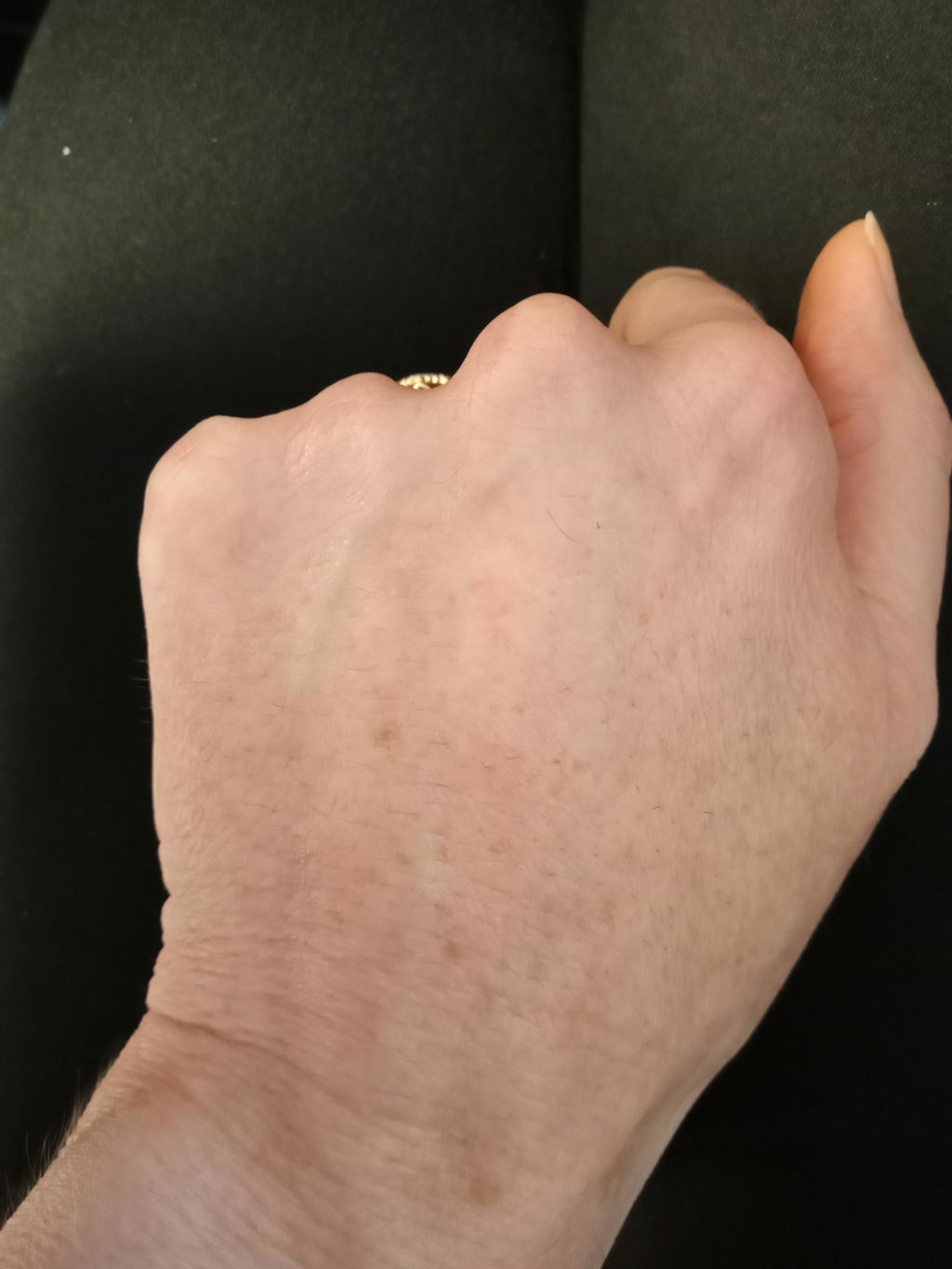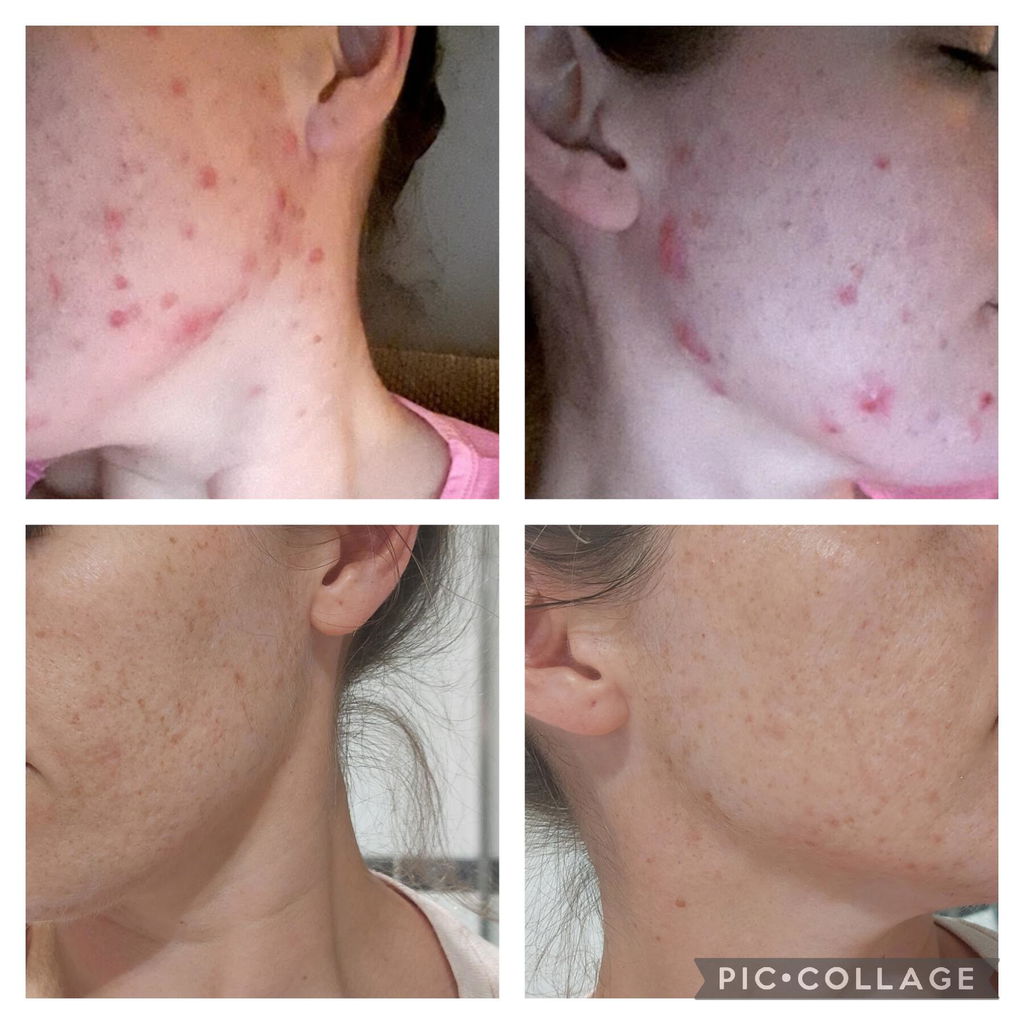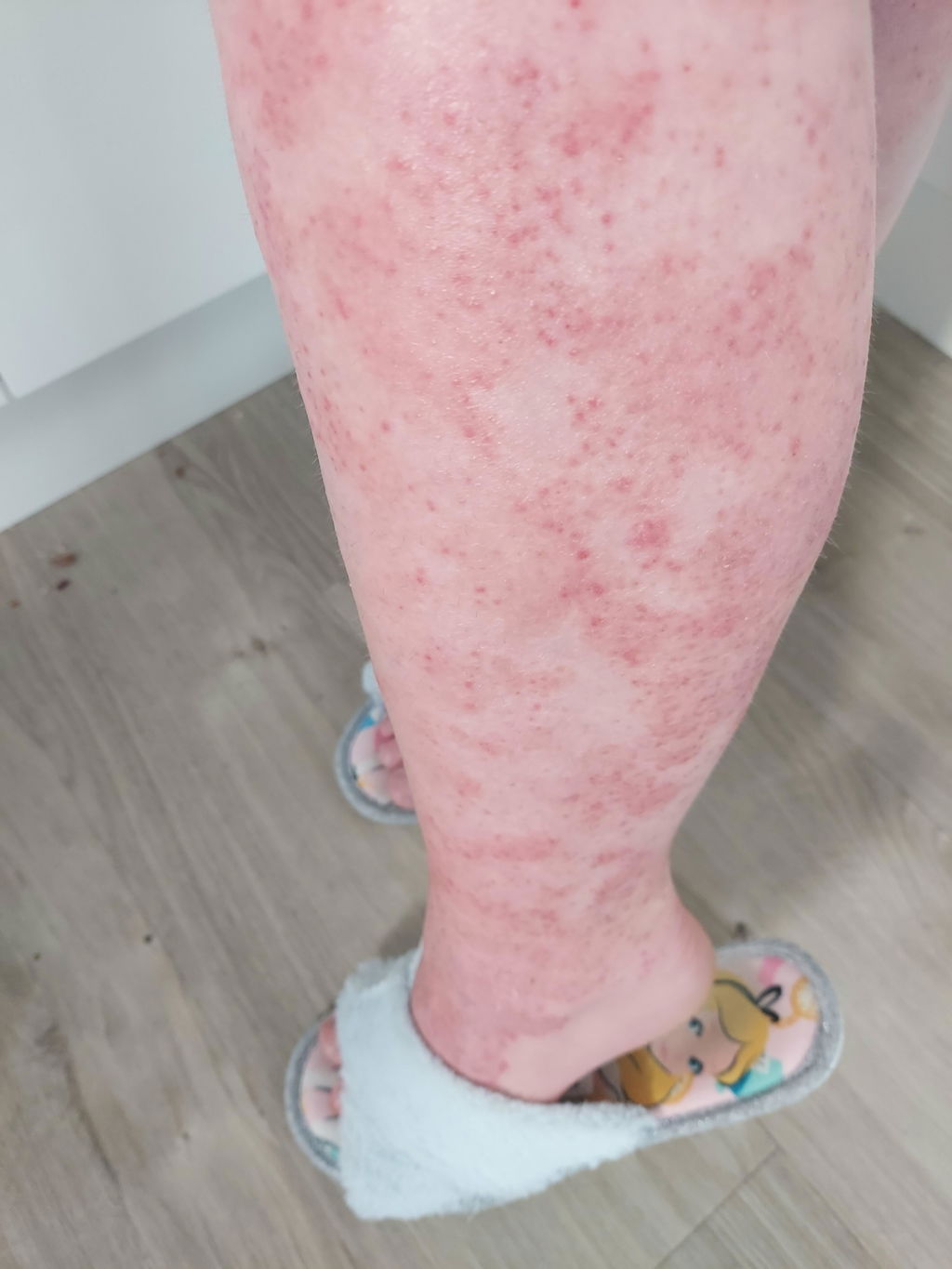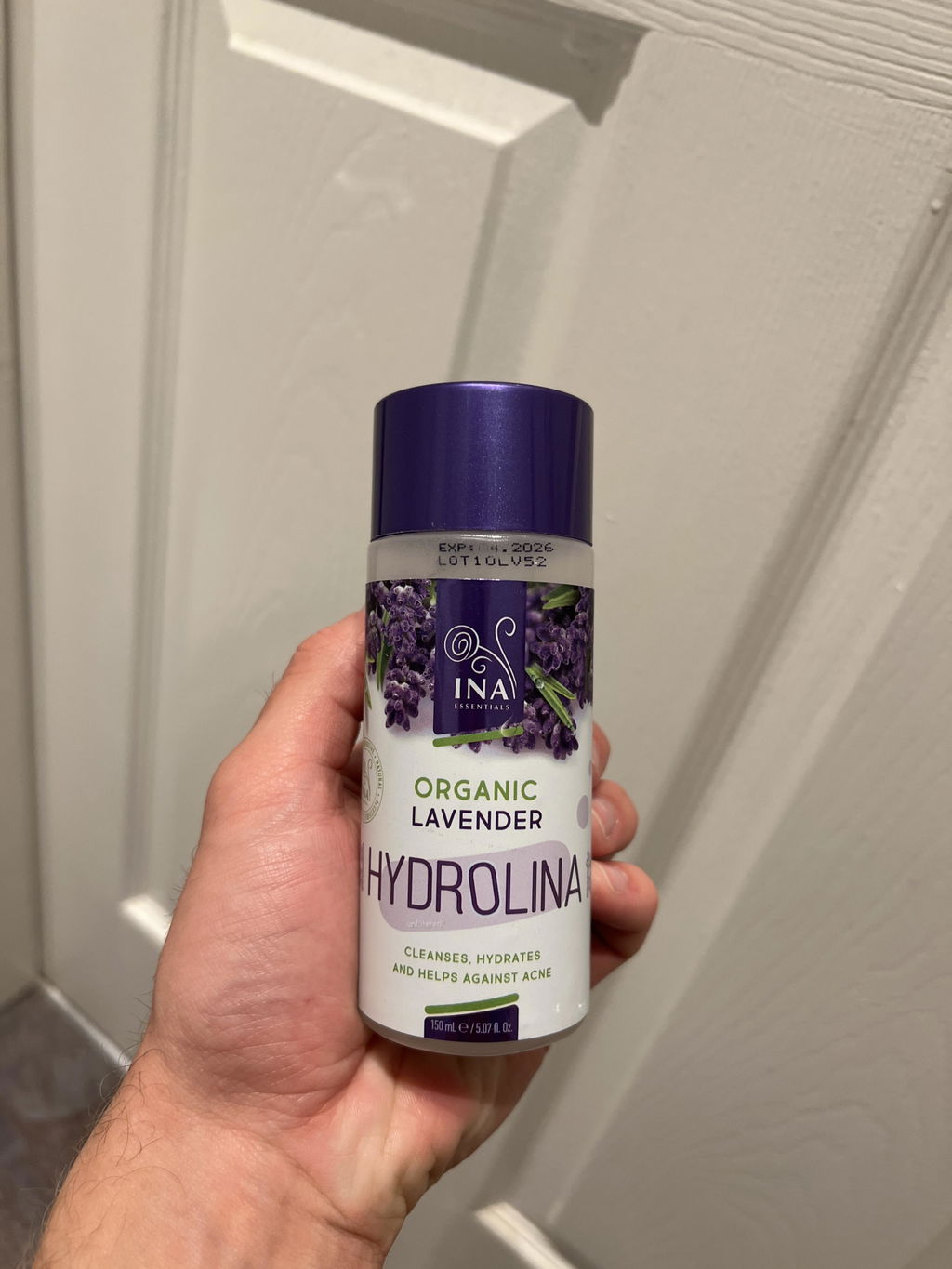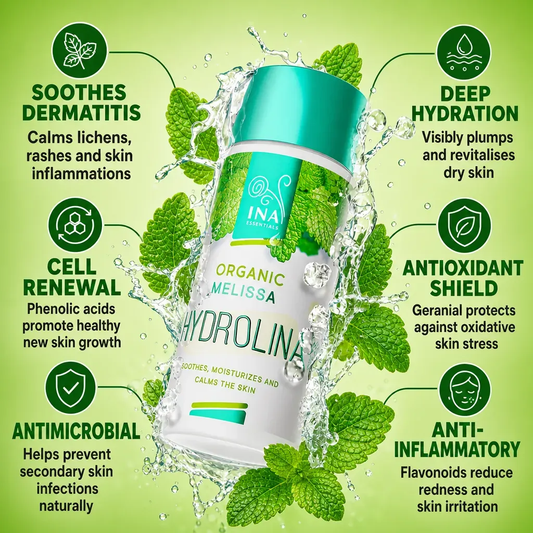


As a mother and a business owner, I understand the importance of using natural products for both myself and my family. That's why I am excited to tell you about the Organic Lemon Balm Water (Melissa) - Hydrolina for Dermatitis and skin Irritations that we produce from our organic fields. It is a gentle, calming care step for skin that feels irritated or itchy, including skin prone to dermatitis. If you have been searching for “lemon for eczema”, note that lemon balm (Melissa officinalis) is a soothing herb, not a lemon. Below you will find what it is, how to use it, and when to see a doctor instead.

Lemon for eczema? Why lemon balm is not lemon

Many people who search for “lemon for eczema” are really looking for something that calms itchy, irritated skin. It helps to know that lemon balm and lemon are two different things. Lemon balm (Melissa officinalis) is a leafy herb from the mint family, and its leaves smell faintly of lemon, which is where the name comes from. Lemon is a citrus fruit.
Lemon juice is acidic and can sting skin that is already dry or irritated, so we do not recommend putting it on eczema or dermatitis. A gentle, water-based hydrolat made from lemon balm is a much kinder way to bring a calming herb into your routine. To learn more about the plant itself, read our guide to lemon balm and its benefits for the skin.
How we came to make our Lemon Balm Hydrolat
After years of hard work, we created our Organic Melissa hydrolina, a calming lemon balm water for skin that feels irritated or itchy, including skin prone to dermatitis (a type of eczema). Many customers tell us they enjoy using our organic Lemon balm hydrolina as part of their daily care for sensitive and irritated skin.
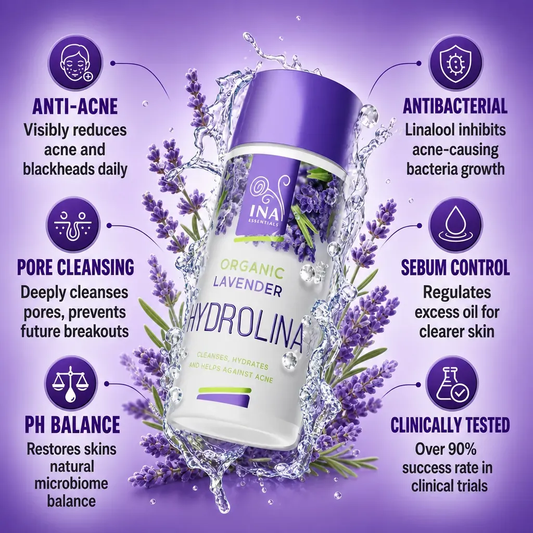
We started producing Melissa Hydrolina back in 2017. That was 2 years after we introduced our best-seller lavender hydrolina against acne and it was the third organic product that we introduced to our family brand

The Power of Lemon Balm
Lemon balm, a plant native to our region, has been used for centuries in traditional herbal care for its calming character. Our Organic Lemon Balm (Melissa) Hydrolina is made from lemon balm picked by hand in our organic fields and is a calming care step for irritated skin.


Lemon balm is rich in plant compounds with antioxidant properties, and a hydrolat is a gentle, water-based way to bring its calming character into your routine. It can ease the feeling of itching and leave irritated skin feeling calmer, including skin after too much sun or after insect bites. It is cosmetic care and does not treat dermatitis. Results differ from person to person, and you can read more about lemon balm as after-sun care.

Natural care for dermatitis-prone skin: what a lemon balm hydrolat can and cannot do
Dermatitis is a general word for skin that is irritated, itchy and sometimes red or flaky. It has several causes, from contact with irritants or allergens to atopic eczema, so the first step is always to find out what sets your skin off. Our guides to allergic eczema and contact dermatitis and to eczema in general explain the types.
Natural care for dermatitis-prone skin works best when it is simple:
- Wash with lukewarm water and a mild, fragrance-free cleanser, and avoid very hot showers.
- Pat a calming hydrolat onto clean skin, then follow with a moisturiser to hold the moisture in.
- Notice what triggers your flare-ups, for example detergents, wool or stress, and avoid them where you can.
- Introduce one new product at a time, so you can see what your skin likes.
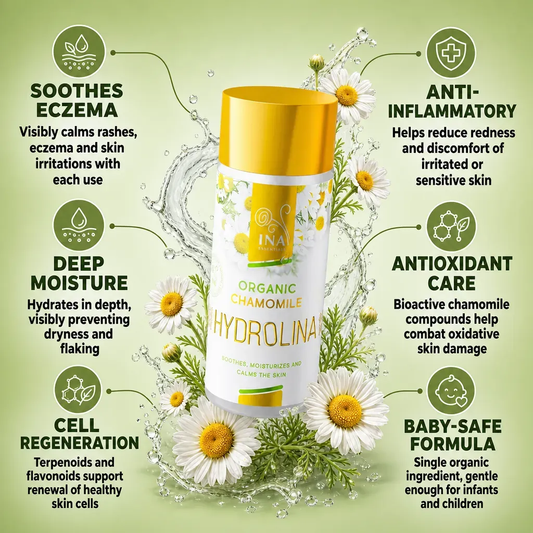
A lemon balm hydrolat is a light, water-based step in this routine. It can leave skin feeling calmer and fresher, but it is cosmetic care. It does not treat dermatitis and does not replace the cream or advice from your GP or dermatologist. If you prefer chamomile, see our chamomile hydrolina for eczema-prone skin.
Our Journey
Starting a business is never easy, but with the support of my husband and 3 children, we've created a brand that embodies our passion for natural beauty. Our family works together to cultivate the finest organic ingredients, and we are proud to bring the benefits of nature directly to you. To do so we created our family website and now ship to customers across Europe.

Quality is Key
At InaEssentials, we believe in using only the best ingredients, and our organic lemon balm hydrolina is no exception. We grow our lemon balm on organic fields and look after the plants with natural methods, so that the hydrolat stays as close to the plant as possible.

Personal Touch
We are committed to providing quality service and a personal touch, and that is why we respond to all messages on Facebook and Instagram ourselves. We are proud of every bottle that leaves our workshop.

How to use Lemon Balm Water on irritated skin
Our Organic Lemon Balm Water (Melissa) - Hydrolina for Dermatitis and skin Irritations is easy to use. Whether your skin feels irritated, has had too much sun or simply needs a calming step, it fits into your routine in a few seconds:
- Cleanse your skin gently and pat it dry.
- Apply the hydrolat to a cotton pad and pat it onto the skin. Keep it away from your eyes.
- Try a small area first, and stop using it if your skin stings or feels worse.
- Use it in the morning and evening, then add your usual moisturiser.
- Do not apply it to broken, weeping or infected skin.
This is a cosmetic product: it supports skin comfort and does not treat dermatitis. If your skin does not improve, read the section on when to see a doctor below.
What verified buyers say
Experiences from customers who bought the lemon balm water in our shop, quoted as they wrote them. Results are different for everyone.
“The lemon balm water is lovely and soothing and has a calming effect on itchy skin. I love to dab it on before bed. I can’t decide if I love this or the lavender water (which is amazing!) the most.”
“This product is so gentle and calming, works really well as my face is so sore and sensitive it really helps to ease that soreness, smells very strange though I expected a lemon smell but smells more like tomatoes.”

When to see a doctor about dermatitis
Lemon balm water is a cosmetic product. It does not replace an examination or care prescribed by a doctor. See your GP or a dermatologist if:
- the skin is weeping, crusting or has yellow, honey-coloured crusts, or you see pus, spreading redness, warmth or swelling (these can be signs of infection);
- you also have a fever or feel generally unwell;
- the rash is widespread, appears suddenly, or is severe on your face or around your eyes;
- itching keeps you awake at night or the skin does not improve within a week or two, or gets worse;
- the patch is bleeding, does not heal or changes shape or colour;
- it is your baby or young child who has the rash.
If your lips, tongue or face swell, or you have trouble breathing, stop using any product and get medical help straight away.
Frequently asked questions
Is lemon good for eczema?
We do not recommend putting lemon juice on eczema or dermatitis. It is acidic and can sting skin that is already dry or irritated. Lemon balm is a different plant: a leafy herb, and a hydrolat made from it is a gentle, water-based way to give irritated skin a calming care step. Our lemon balm water is cosmetic care and does not treat eczema, so ask your GP or pharmacist about care that suits your type of eczema.
What does lemon balm do for the skin?
Lemon balm has been used in traditional herbal care for centuries for its calming character. In skin care it is used as a hydrolat to freshen and soothe skin that feels irritated, itchy or tight. For the full story of the plant, read our guide to lemon balm and its benefits for the skin.
Is lemon balm the same as lemon?
No. Lemon balm (Melissa officinalis) is a herb from the mint family. Its leaves smell faintly of lemon, which is where the name comes from, but it is not a citrus fruit. The scent of our hydrolat is fresh and herbal rather than citrusy.
Can I use lemon balm water on dermatitis on my face?
Many people use it on the face as a calming step after cleansing. Pat it onto clean skin with a cotton pad, keep it away from your eyes and try a small area first. Stop using it if your skin stings or feels worse, and do not apply it to broken or weeping skin. If dermatitis on your face is severe or keeps coming back, see your GP.
What natural care can help dermatitis-prone skin?
A simple routine tends to work best: mild cleansing, a calming step such as a hydrolat, a moisturiser, and avoiding the things that set your skin off. Natural care supports comfort but does not replace medical advice. You can read more in our guide Eczema: everything you need to know.

Try our Organic Lemon Balm Water (Melissa) - Hydrolina for Dermatitis and skin Irritations. Use promo code: blog10 for a 10% discount on your first order.
👇 Click the button below to see all products 👇