

Updated: September 2026
The most common autumn mistake is stopping care as soon as heels disappear into shoes, because that is exactly when dry, heated indoor air makes them worse fastest. The second is aggressive filing on dry skin: it removes the surface, but the skin answers with an even thicker callus.
👉 In brief: what are the 3 biggest mistakes with cracked heels?
The main mistakes that keep the skin on your feet rough and cracked are:
1) Aggressive mechanical scraping with metal rasps and blades, which traumatises the epidermis and actually stimulates it to grow back even thicker;
2) Applying pure petroleum jelly or paraffin-based ointments without first introducing real moisture, which simply seals the dryness underneath;
3) Neglecting purifying care for deep fissures (ragades), which allows bacteria and fungi to thrive in the cracks. Lasting improvement requires gentle, gradual exfoliation with urea and deep cellular nourishment with organic plant oils.
Foot care is often the last thing on our daily routine agenda — until the skin starts sending clear and sometimes painful signals that it needs attention. The condition known as cracked heels affects millions of people and is far from a mere cosmetic imperfection that stops us wearing sandals in summer. When skin loses its elasticity, it begins to split under the pressure of our own body weight.
Unfortunately, in our rush to fix the problem quickly at home, we often reach for methods that literally sabotage the health of our feet. In this detailed guide we will examine the three biggest mistakes in foot care, the biological reasons behind them, and how we can restore our skin naturally and for the long term.
In this article:
- Recognising the symptoms: when do cracked heels become dangerous?
- Mistake no. 1: Aggressive, excessive scraping with metal files and blades
- Mistake no. 2: Using heavy petroleum products (petroleum jelly) without real moisturisation
- Mistake no. 3: Neglecting purifying care for deep fissures
- Natural synergy: how do urea and the right plants correct these mistakes?
- Frequently asked questions (FAQ)
Recognising the symptoms: when do cracked heels become dangerous?

Cracked heels rarely appear overnight. It is a gradual process that passes through several distinct phases. In the initial stage the condition manifests as a slight sensation of dryness — the skin looks grey, loses its lustre, and begins to flake in small scales wherever it contacts clothing or socks.
If no action is taken, so-called hyperkeratosis develops — a thickening and hardening of the stratum corneum. A dense, toughened layer of dead cells accumulates around the edges of the heel, taking on a characteristic whitish, yellowish, or even dark brown colour. The skin loses its elasticity, and any stretching leads to the appearance of superficial cracks.
Mistake no. 1: Aggressive, excessive scraping with metal files and blades
This is the most widespread mistake in home pedicure. When we notice a build-up of hard skin, our first instinct is to remove it mechanically — with rasps, coarse pumice stones, razor blades, or powerful electric files. This method delivers instant visible smoothness, but triggers a dangerous vicious cycle.

Our skin is an intelligent protective organ. When subjected to vigorous friction, mechanical pressure, or thinned excessively with a blade, its receptors send an alarm signal to the basal cell layers. The body interprets this friction as an external attack on its integrity.
To protect itself, the skin activates a defensive mode and begins producing new cells at an accelerated rate in order to replace the lost layer. The result shocks many people: just one week after aggressive scraping, the heels are thicker, harder, and more prone to deep, painful cracks than they were before.
💚 The right approach: Remove metal rasps from your bathroom. The process of removing dead skin cells must be extremely gentle, gradual, and non-invasive, so as not to trigger a defensive reaction from the epidermis.
Mistake no. 2: Using heavy petroleum products (petroleum jelly) without real moisturisation
Many people believe the best and most affordable remedy for cracked heels is to apply generous amounts of pure cosmetic petroleum jelly or lard, then wear cotton socks overnight. Petroleum jelly, paraffin, and mineral oils create a completely water-impermeable artificial film on the surface of the skin.

It is important to understand that the skin on the soles of the feet has no sebaceous glands and relies entirely on sweat glands and external sources for its moisture. It suffers from a chronic lack of water (dehydration), not a lack of surface fat. If you apply pure petroleum jelly to an already deeply dry heel, you simply encapsulate the dryness underneath without introducing a single water molecule into the cells. The skin feels soft only while the product sits on the surface, but the underlying fissures remain unresolved.
💚 The right approach: A foot formula must contain humectants — active ingredients capable of physically transporting and locking water inside the cells — combined with natural oils that nourish the skin without blocking oxygen access.
Mistake no. 3: Neglecting purifying care for deep fissures

When cracks become deep enough to bleed, they are no longer a cosmetic concern — they become a medical one. Our feet bear an enormous load and are in constant contact with the outside world — dust, perspiration, closed shoes, and socks made from synthetic fabrics. This creates the warm, humid environment in which bacteria and fungi thrive.
A major mistake is treating these open wounds with ordinary, heavily fragranced body lotions or hand creams. These products possess no purifying properties. Applying them may seal bacteria inside the fissure, leading to localised inflammation, unpleasant odour, throbbing pain, and an extremely slow recovery.
💚 The right approach: Any product intended for the care of an advanced stage of cracked heels should contain gentle yet effective natural plant extracts with purifying care properties, supporting the skin throughout its recovery process.
Natural synergy: how do urea and the right plants correct these mistakes?

To correct the three mistakes outlined above, we need an intelligent synergy between modern dermatology and pure phytotherapy. Rather than subjecting our feet to mechanical stress, we should turn to ingredients that penetrate deeply and work in harmony with the skin's natural biology.
One such ingredient is Urea. It occurs naturally in healthy epidermis as part of the Natural Moisturising Factor (NMF). Urea has a unique dual action: it gently weakens the bonds between the toughened dead cells on the surface, allowing them to shed on their own during daily washing — without scraping — whilst simultaneously acting as a water magnet, saturating the cells with intense hydration.

When this powerful dermatological ingredient is combined with pure plant extracts, nature offers us a completely sustainable, long-term solution. The process calls for three key actions from the plants: purifying care, cellular regeneration, and the restoration of elasticity.
Smoke tree is an absolute favourite in Bulgarian folk medicine for caring for irritated and sensitive skin. It is valued for its astringent and soothing properties. It acts as an invisible protective barrier over fissures and supports a lasting sensation of comfort and skin recovery.
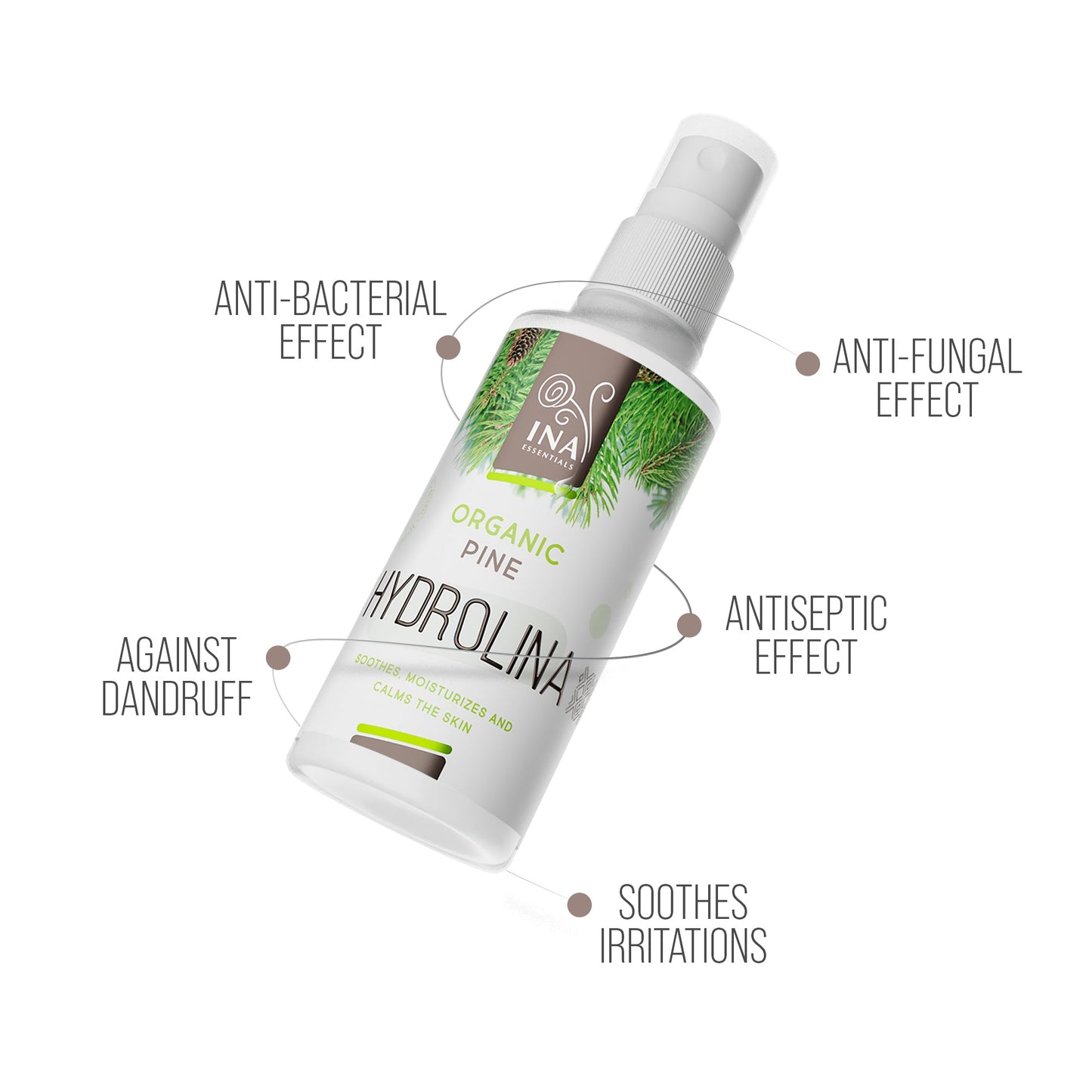
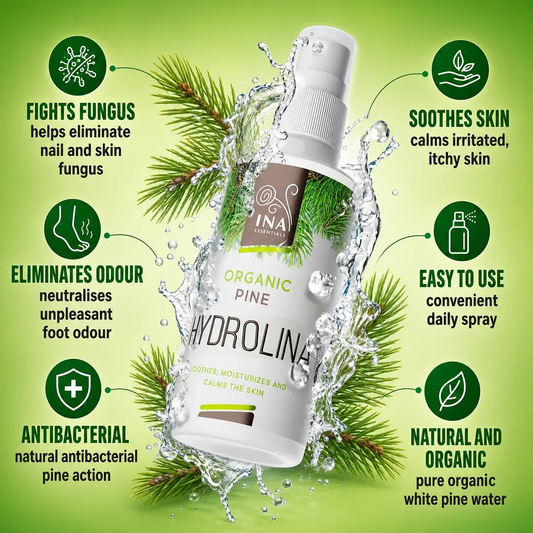
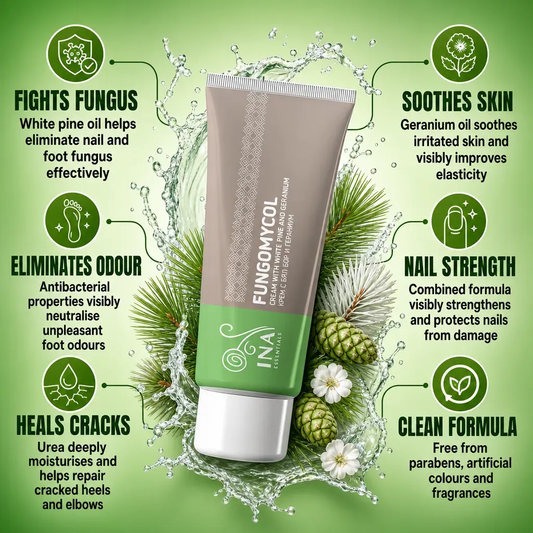
This powerful natural component delivers deep, purifying hygiene care. White pine oil helps maintain a fresh feeling on the skin between the toes and around the nails, neutralising unpleasant odour and toning the skin for lasting freshness and comfort.
These work as powerful cellular regenerators. Thanks to their rich composition, they soften even the toughest edges of skin around the heel, improve microcirculation, and restore the natural elasticity of the tissues so they can withstand daily pressure without splitting — whilst also providing a calming, restorative sensation overnight, supported by panthenol (Pro-Vitamin B5).

At our family brand InaEssentials we believe that skin does not need heavy synthetics to be healthy. Through a carefully controlled process of organic cultivation and distillation in our own gardens, we have succeeded in bringing precisely these forces of nature together into a complete, ready-to-use cosmetic product — created to correct the mistakes of the past and restore silk-smooth softness to your feet.
The pure family solution for silky-smooth feet

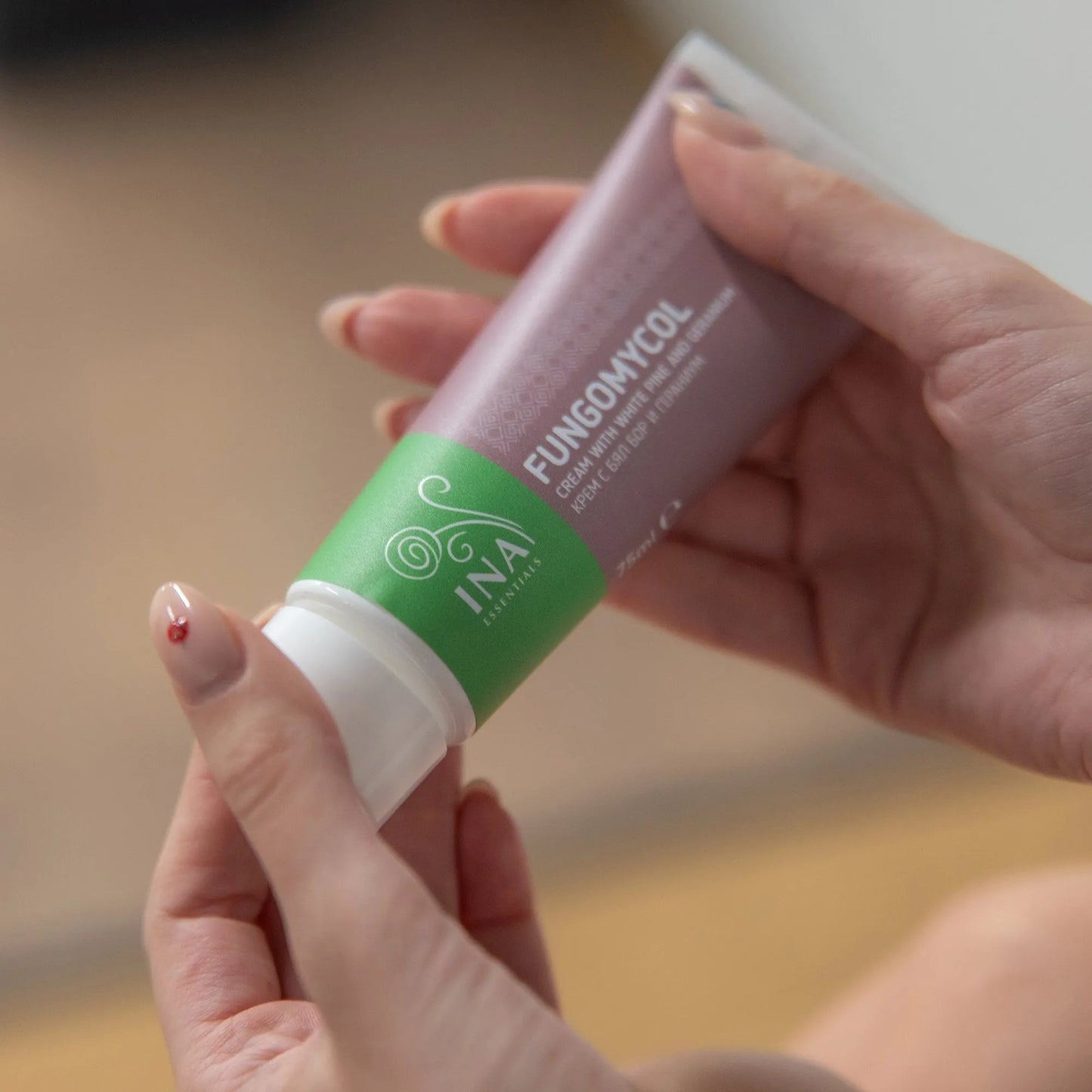
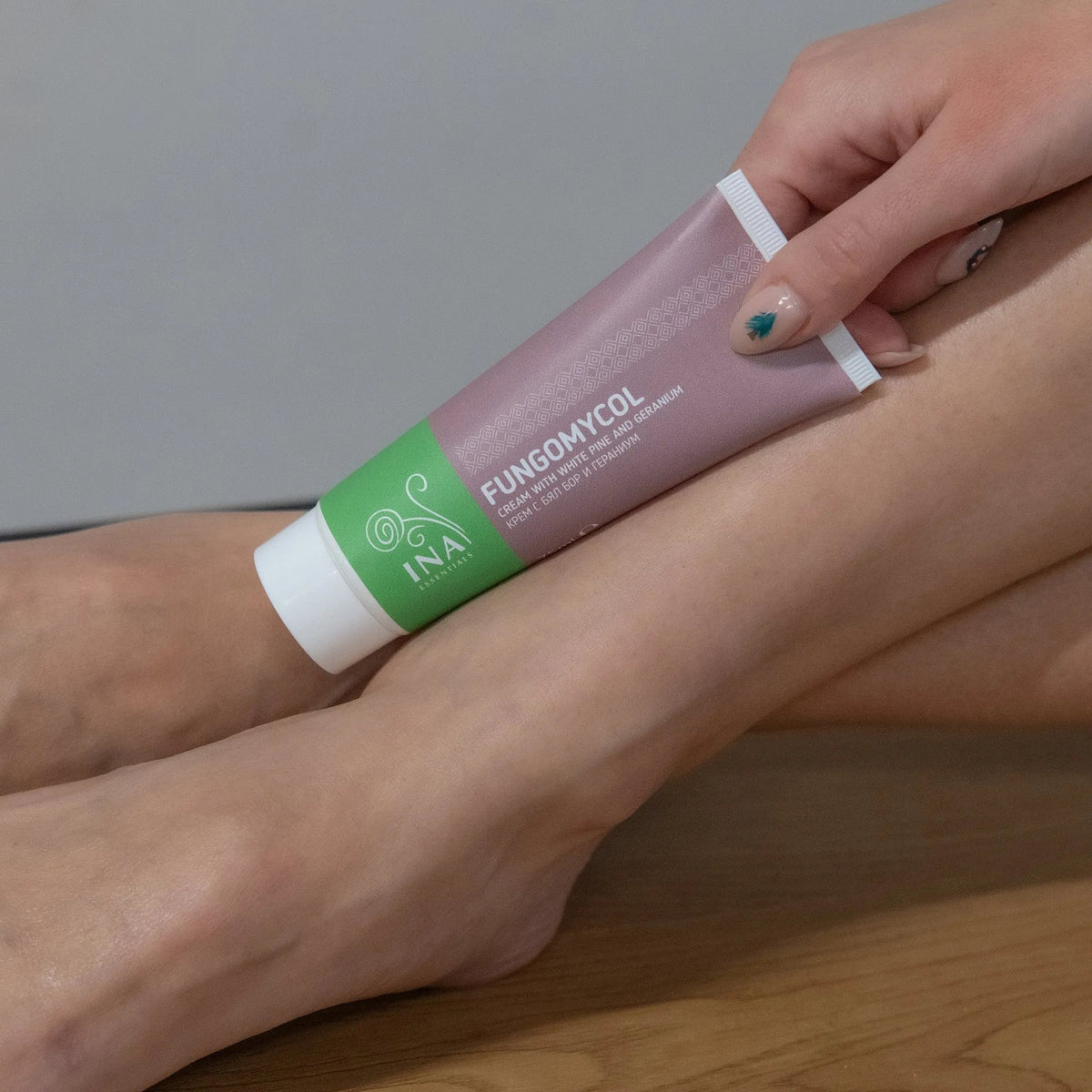
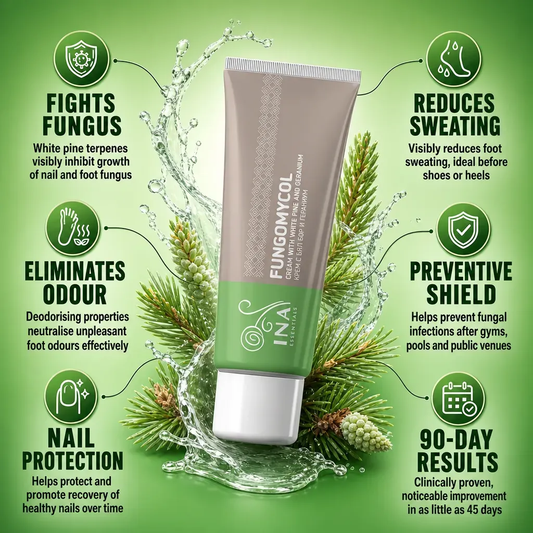
Driven by the desire to offer a pure alternative to heavy petroleum-based products, we at InaEssentials created the Nail and Dry, Cracked Skin Care Cream (Fungomycol). Its balanced formula combines the intense moisturising effect of urea with organic oils of smoke tree, white pine, horse chestnut, and lavender. This cream softens the skin without stress, delivers purifying care, and smooths fissures in a completely natural way.


Frequently asked questions (FAQ)

*The content shared in this article is purely informational and educational in nature and aims to promote good practice for natural, gentle body care. The text does not constitute a medical diagnosis and does not replace professional consultation with a doctor, dermatologist, or podiatrist, particularly in cases of severely inflamed, infected, or chronically bleeding wounds on the soles of the feet.