

Updated: August 2026
At the end of summer the menu is full of tomatoes, citrus, stone fruit, ice cream and cold drinks, and in September the routine shifts back to quick snacks on the go - and the skin usually notices those changes first. Keep a food diary for two to three weeks to see what genuinely makes things worse, rather than cutting out whole food groups without medical advice, and lean on water, omega-3 and steady warm meals.
Eczema and Diet: What Affects Your Skin and How to Help Yourself
The battle with eczema is often fought only on the surface of the skin, but the truth is that what we put into our bodies has a direct impact on what we see in the mirror. Diet is a key factor that can either soothe inflammation or “ignite” it.
In this article, we will explore which foods are your skin’s allies and which are its enemies, as well as how to build a comprehensive approach to managing atopic dermatitis.
What you will learn in this article:
The Gut-Skin Connection
Science increasingly refers to the “gut-skin axis”. When the gut microflora is out of balance (a condition known as dysbiosis), it can lead to increased intestinal permeability. As a result, toxins and allergens more easily enter the bloodstream, triggering a systemic inflammatory response that manifests as eczema.
Food Triggers: What to Avoid?
Although every individual’s body is different, certain food groups most commonly aggravate eczema symptoms:
- 🥛 Dairy products: Casein and lactose are common allergens.
- 🍞 Gluten: Wheat and barley can intensify inflammation.
- 🍭 Refined sugar: Causes insulin spikes and inflammation.
- 🥚 Eggs: Especially egg whites, which are a common trigger in children.
- 🥜 Nuts: Peanuts and soya are among the top allergens.
- 🥫 Preservatives: Artificial colourings and additives (E-numbers).
Superfoods for Eczema: What to Include?
To soothe your skin “from within”, it is important to include foods with anti-inflammatory properties:
- Omega-3 fatty acids: Found in oily fish (salmon, mackerel), flaxseed and walnuts. They hydrate the skin from within.
- Quercetin: A powerful antioxidant found in onions, apples and blueberries, which acts as a natural antihistamine.
- Probiotics: Yoghurt (if not a trigger), kefir, sauerkraut and other fermented foods for a healthy gut.
- Vitamin C: Supports collagen production and helps repair the skin barrier.
Quick Reference: Recommended vs. Risky Foods
External Care: Nature Against the Itch

While you balance your diet, your skin needs immediate relief from the outside. Our family believes that nature has an answer to every problem, and our 25 years of experience in organic farming confirms this. Knowing well the beneficial properties of the herbs we grow ourselves, we created a gentle solution for skin conditions such as eczema and dermatitis. A soothing natural cream with the power of: St. John’s Wort, Chamomile and Propolis.
Why this specific combination?

- 🌿 St. John’s Wort: Accelerates tissue regeneration and has a powerful antiseptic effect.
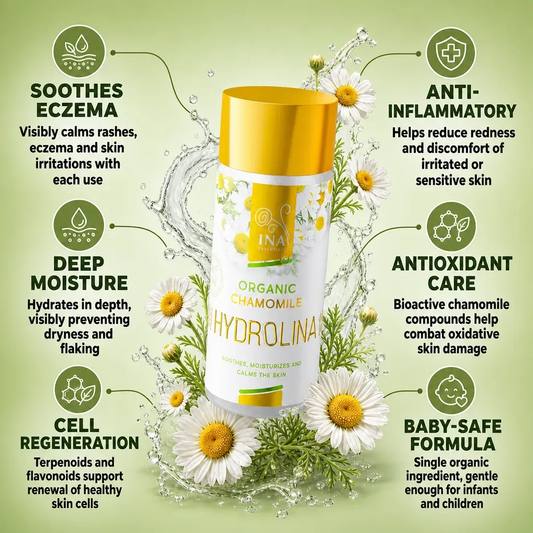
- 🌼 Chamomile: Soothes itching and reduces redness almost instantly.
- 🍯 Propolis: “Nature’s antibiotic”, which protects damaged skin from infections.
Our Solution for External Care

To help your skin recover more quickly, we recommend our Soothing Skin Cream — with St. John’s Wort, Chamomile and Propolis. Natural and exceptionally gentle for sensitive skin.

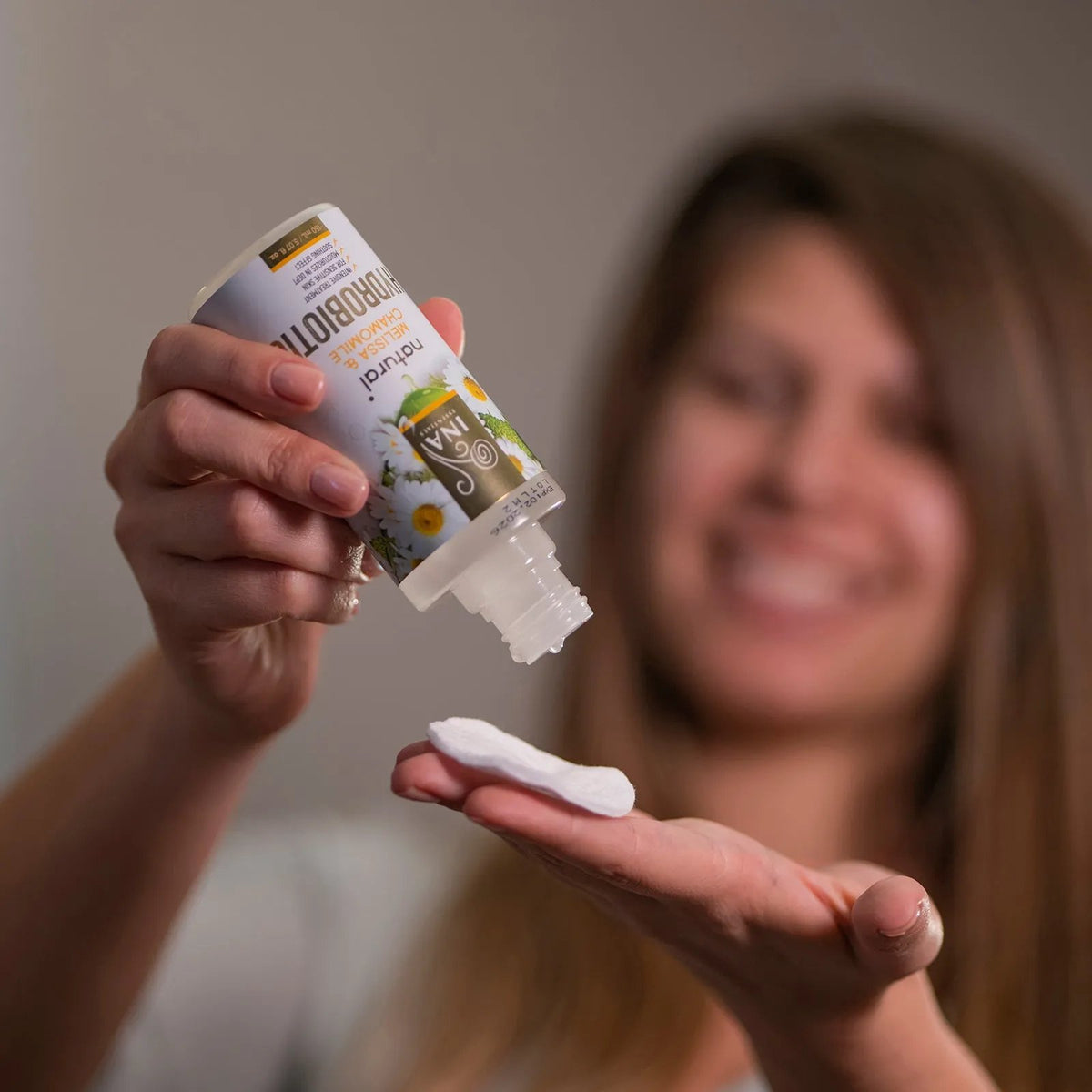
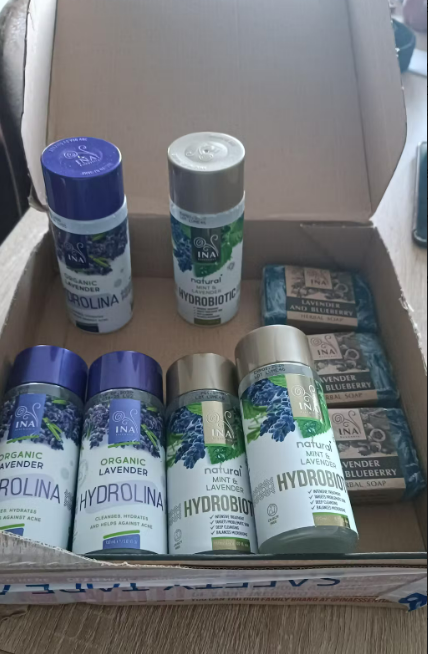
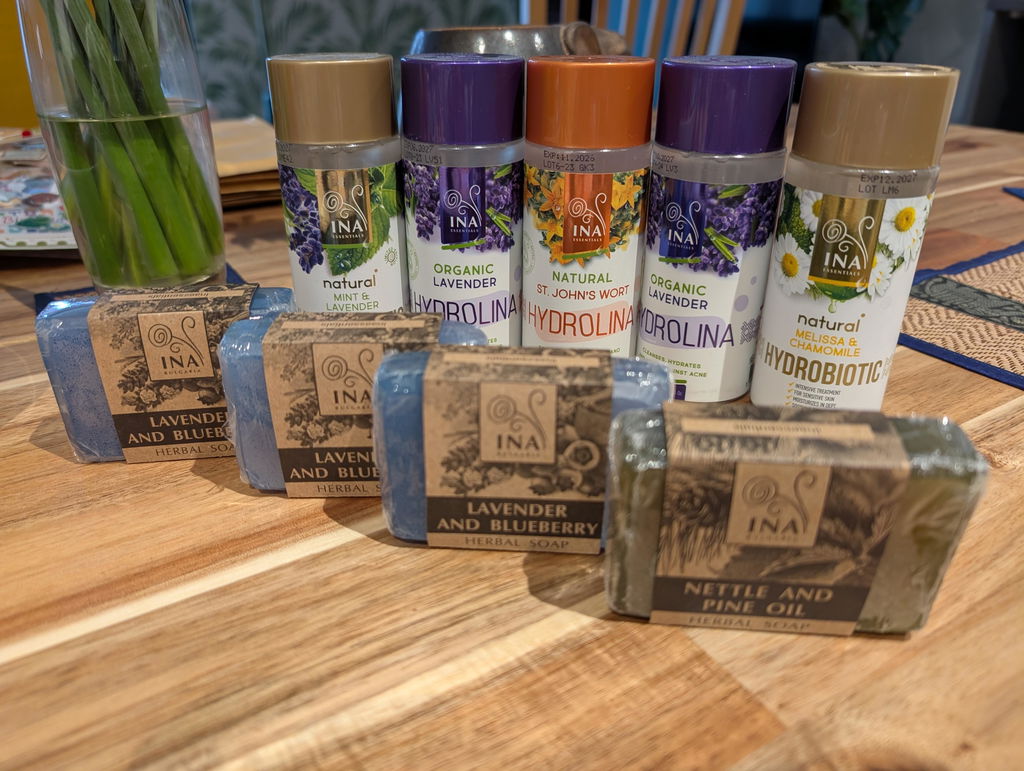
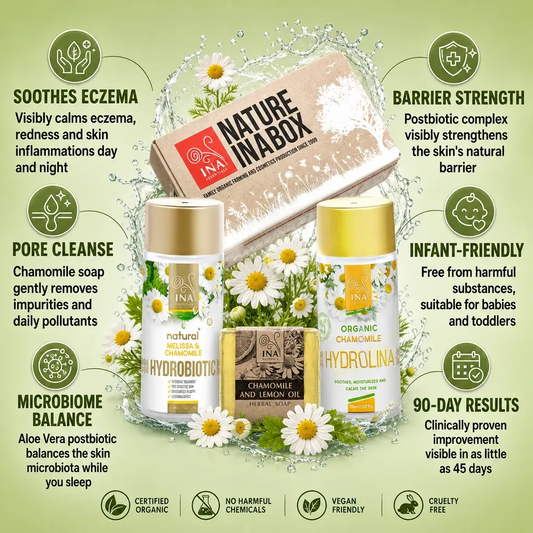
SEE THE BEST OFFER (2 Creams + 2 Chamomile & Melissa Water Free)
Frequently Asked Questions
Although the term “cure” is complex when it comes to chronic conditions, the right diet can lead to long-lasting remission and near-complete resolution of symptoms in many people.
Skin renews itself every 28 days. The first improvements are usually noticed after 2 to 4 weeks of consistent dietary management.
The best approach is an elimination diet — remove the main suspects for a month, then reintroduce them one by one to identify which one irritates your skin.
Your Skin Deserves the Best
Combine healthy eating with the pure power of organic herbs.
BUY THE SOOTHING CREAM