

Updated: October 2026
In autumn, central heating dries the air at home, while frequent hand-washing around the baby and the cold outside crack the skin even more - which is why eczema during pregnancy and after birth often gets worse right now. Keep showers short and lukewarm, wear gloves outdoors and for household chores, and keep the air in the room a little more humid, which is good for the baby too. A gentle option in pregnancy and while breastfeeding is our Organic Chamomile Water - Hydrolina.
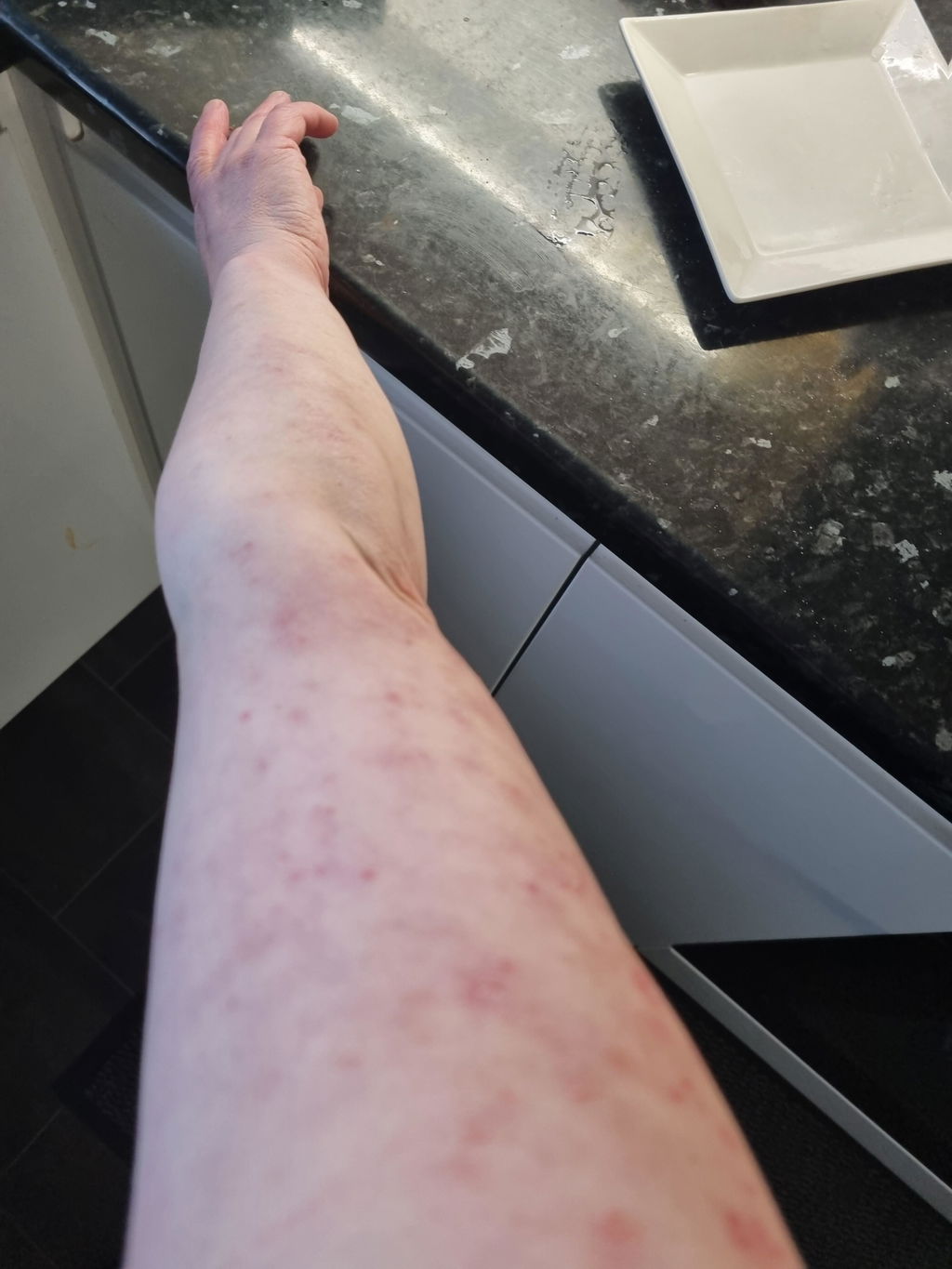
Eczema during pregnancy and after birth is a challenge faced by many mothers. It is a period of significant changes, during which the skin often becomes reactive, dry, and irritated. For many women it shows up first on the hands, so eczema on the hands in pregnancy, and hand eczema after pregnancy, is a very common concern.
At InaEssentials, we understand that during this special stage of life, safety is the top priority. Nature offers gentle options that are kind to mother and baby.
In this guide, we will explore the causes of eczema during this period and share gentle natural ways to support your skin.
Article contents:
- 1. Why eczema appears during pregnancy or after birth
- 2. Eczema on the hands in pregnancy and after birth
- 3. Safe natural remedies for relief
- 4. Is eczema cream safe during pregnancy?
- 5. Organic Chamomile Water during pregnancy and the postnatal period
- 6. Practical tips for a mother's daily routine
- 7. Precautionary measures and hygiene
- 8. When to see a doctor
- 9. Our gentle solution for sensitive skin: Chamomile Hydrolina
- 10. Frequently asked questions
Why Eczema Appears During Pregnancy or After Birth
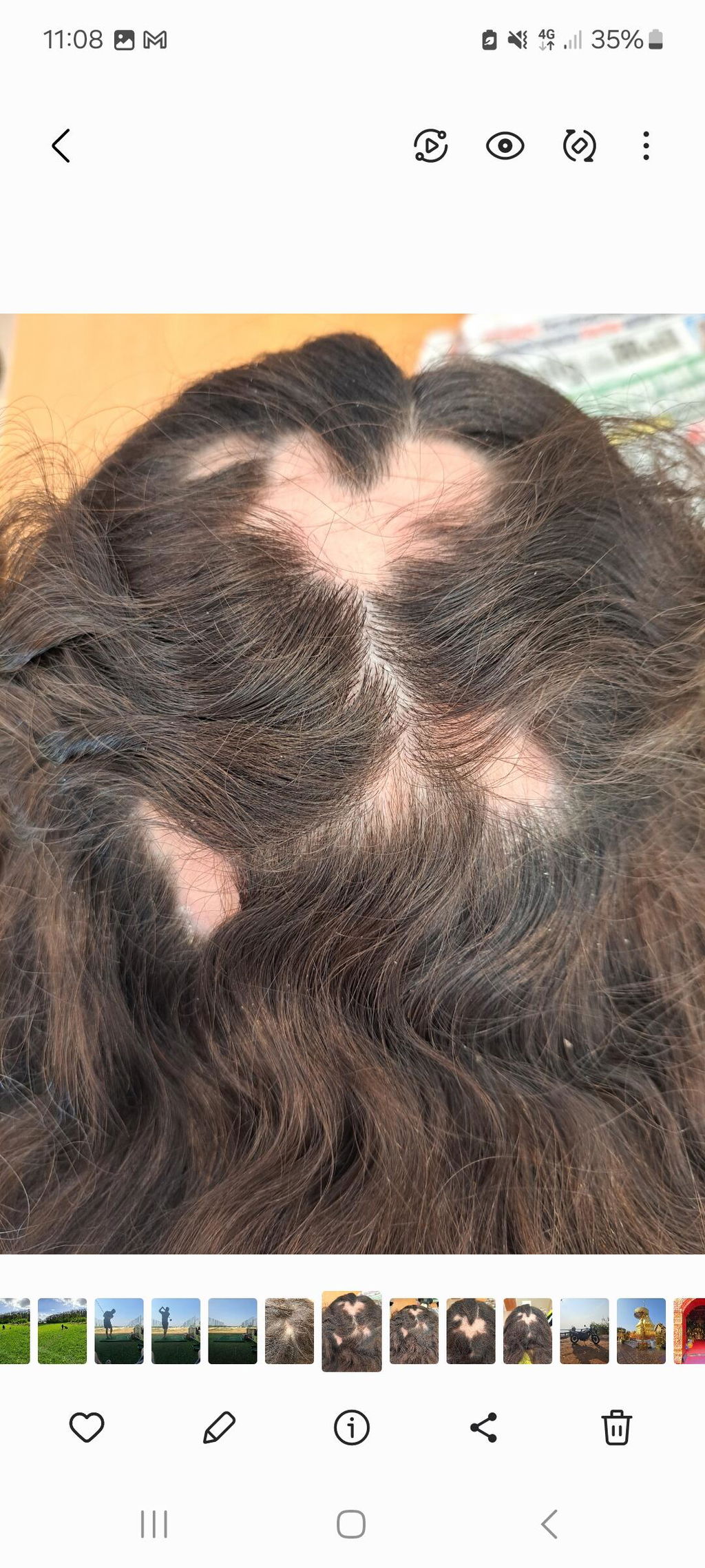
Pregnancy is a period of significant hormonal changes that directly affect the immune system and the skin's barrier function. A high proportion of women with a predisposition to atopy experience a worsening of symptoms during these nine months. Eczema also frequently appears for the very first time at this stage — known as atopic eruption of pregnancy.
After birth, oestrogen and progesterone levels drop sharply, which can lead to significant skin dehydration. Add to this stress, lack of sleep, and frequent hand-washing during baby care — all of these create ideal conditions for eczema to develop. The most commonly affected areas are the hands, neck, face, and chest.
Eczema after pregnancy is also common while you are breastfeeding, because hormones, broken sleep and a new daily routine all affect the skin barrier. For many women it eases as these settle, but if it lingers or keeps returning, it is worth asking your GP about it.
Eczema on the Hands in Pregnancy and After Birth
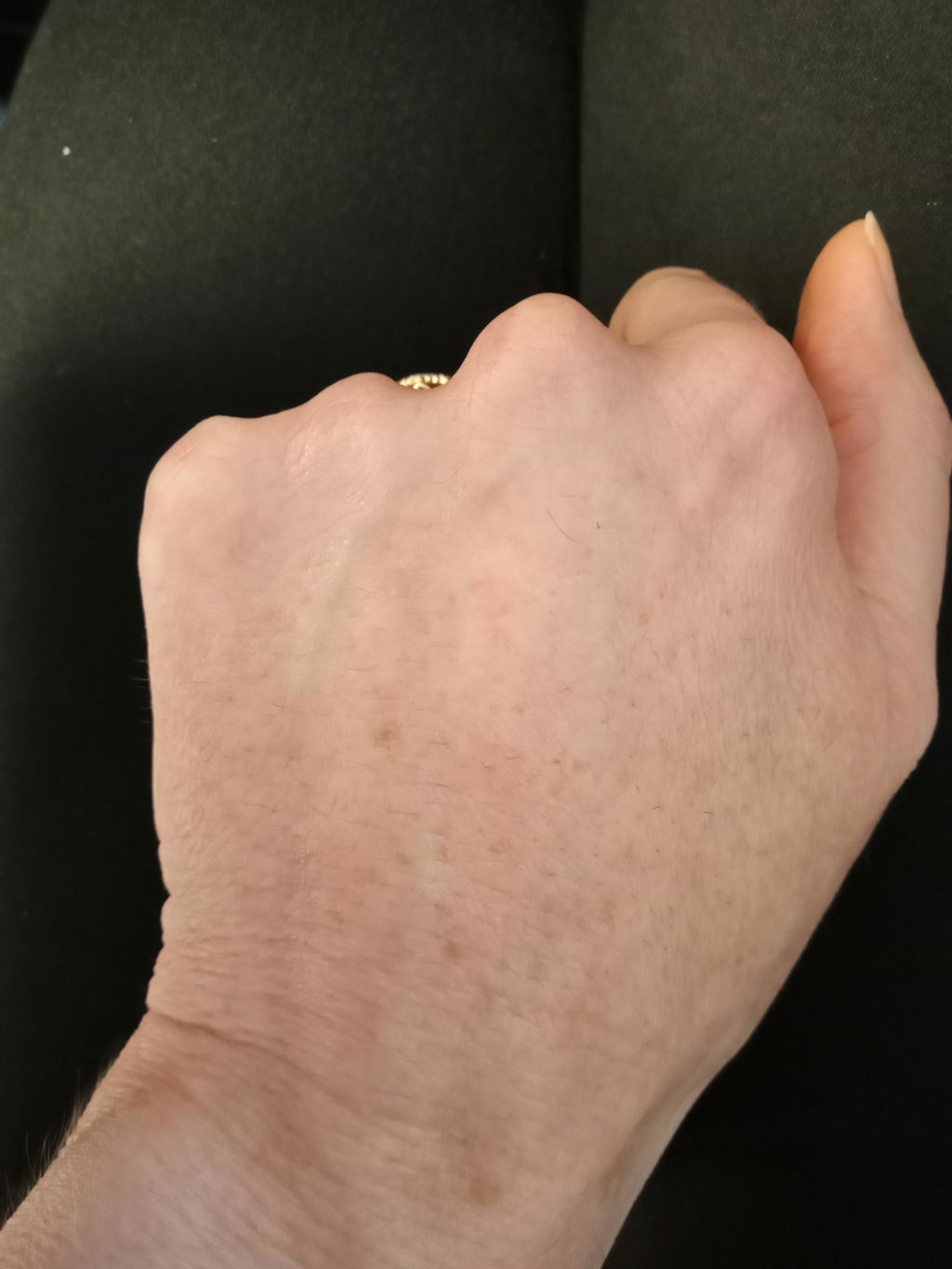
Eczema on the hands in pregnancy is common, and the hands are often the first place women notice a change. Hormonal shifts make the skin drier and more reactive, while extra hand-washing, sanitiser, rubber gloves and cleaning products strip away its natural oils. The result can be dry, tight, itchy hands with redness, small cracks or tiny blisters.
After the birth, hand eczema often flares again or appears for the first time. Washing your hands dozens of times a day, changing nappies, sterilising bottles and wet hands at bath time keep the skin barrier under constant pressure, while broken sleep makes it harder for the skin to recover. For many women the hands calm down once routines settle, but it can take weeks or months.
A few gentle habits can help:
- Lukewarm water and a mild cleanser. Use a fragrance-free wash and pat your hands dry rather than rubbing.
- Moisturise straight after washing. A plain, fragrance-free moisturiser, applied after every wash and again at night, supports the skin barrier.
- Cotton-lined gloves for wet jobs. Wear them under rubber gloves for washing-up and cleaning, and take them off as soon as the job is done.
- A soothing spritz. A light mist of Organic Chamomile Water on clean hands, before your moisturiser, helps soothe the feeling of irritation.
For a closer look at symptoms, causes and daily care for the hands, read our guide to eczema on the hands. If your baby also has dry, itchy patches, see eczema in babies and children.
Safe Natural Remedies for Relief
When conventional medications are limited, nature offers remedies that are gentle for both mother and baby:
- Cold-pressed coconut oil: A popular plant oil that many people find soothing and comforting on dry skin. Apply to damp skin for better absorption. Applied to dry skin, it may leave it feeling drier.
- Oatmeal compresses: Colloidal oats contain compounds that help provide relief. Make a paste from finely ground oats and water, apply to the irritated area for 15 minutes, then rinse gently with cool water.
- Shea Butter: Rich in vitamins A and E, it is a popular way to help support the skin’s lipid layer during breastfeeding.
Is Eczema Cream Safe During Pregnancy?
Many women ask which eczema creams are safe to use while pregnant or breastfeeding. There is no single list that suits everyone, so the best approach is to keep things simple and check with a professional.

- Start with a plain emollient. A thick, fragrance-free moisturiser used often is the foundation of eczema care at any stage of life.
- Read the ingredient list. Avoid heavily perfumed products, and be cautious with anything that contains many essential oils or active plant extracts unless the label or your midwife says it suits pregnancy.
- Ask before using a medicated cream. Check with your pharmacist, midwife or GP before using any medicated or steroid cream. A doctor can prescribe a treatment that is suitable for pregnancy or breastfeeding if your eczema needs more than moisturising.
- Patch test anything new. Skin is often more reactive in pregnancy, so try a small area first and wait 24 hours.
A single-ingredient option such as our Organic Chamomile Water is easy to check, because there is only one plant on the label, although anyone with an allergy to chamomile or other daisy-family plants should avoid it. Our cosmetic products are not medicines and do not replace the advice of your doctor or midwife. For a wider overview of care, see our guide to eczema causes, symptoms and natural care.
Organic Chamomile Water During Pregnancy and the Postnatal Period
Chamomile is a symbol of calm in herbal tradition and is regarded as one of the gentlest botanicals. Its action is soft and soothing.
During pregnancy, when the skin can become highly sensitive to fragrances and heavy ingredients, pure floral water is a gentle choice with no added fragrance or heavy ingredients. It helps soothe the feeling of burning and redness. In the postnatal period, it is invaluable for hand hygiene — hands that frequently crack from constant washing — as chamomile water helps keep the skin feeling comfortable.
What verified buyers say about our Organic Chamomile Water:
“I bought the chamomile water to help the dry skin/eczema on my hands and it has been great so far. It smells lovely and has really helped to calm down my eczema.”
“This is lovely and soft, I tend to use this one when my face is a bit more sensitive and dry and it really moisturises my face without making it oily, I have also used this on my hands when my psoriasis starts to flare up as it has a soothing feeling.”
Practical Tips for a Mother's Daily Routine
• Avoid hot showers: Although relaxing, they strip the skin of its natural oils. Opt for lukewarm water instead.
• Cotton clothing: Synthetic fabrics and wool can aggravate eczema. Wear 100% cotton, which allows the skin to breathe.
• Hydration from within: Drink enough water. Pregnancy and breastfeeding place significant demands on your body's water reserves, and the skin is the first to show the effects.
Precautionary Measures and Hygiene
When caring for a baby, eczema on the hands can be not only painful but also a risk for infection. Always keep nails short to avoid scratching during sleep. Use sulphate- and paraben-free household cleaning products.
When to See a Doctor
Mild dry, itchy skin can often be managed with gentle care at home, but contact your GP, midwife or pharmacist if:
• You have severe itching without much of a rash, especially on the palms of your hands and the soles of your feet, or itching that is worse at night. Contact your midwife or maternity unit the same day, because this can be a sign of a pregnancy liver condition that needs checking.
• The skin is weeping or crusting, is very sore, or you feel unwell or feverish. These can be signs of an infection.
• The rash spreads quickly or covers large areas, including itchy red, raised patches on your tummy or stretch marks.
• Itching is affecting your sleep or daily life, or the skin has not improved after a couple of weeks of gentle care.
• You would like to use a prescription or medicated cream while pregnant or breastfeeding. A doctor can choose one that is suitable for you.
Our Gentle Solution for Sensitive Skin During Pregnancy and Breastfeeding

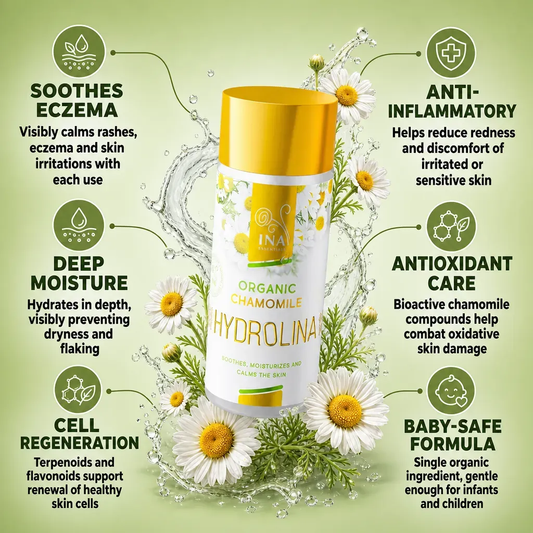
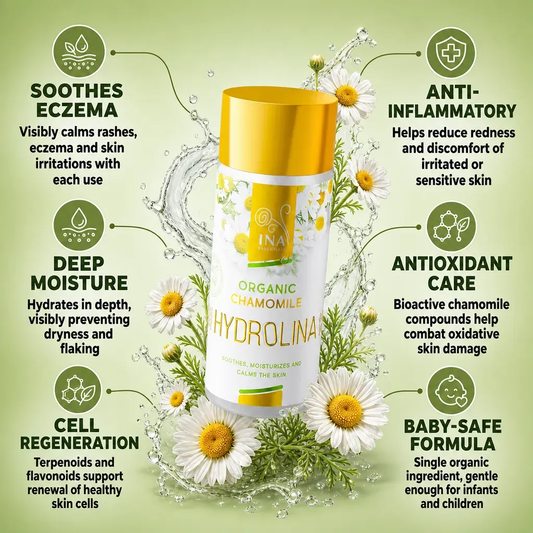
For mothers who do not compromise on quality, our Organic Chamomile Water - Hydrolina is the perfect companion for supporting irritated skin.
Organic Chamomile Water - Hydrolina for Sensitive Skin
Our natural hydrolat helps soothe the feeling of itching and redness and refreshes dry skin. Suitable for daily use on the face and body, it leaves skin feeling calm and comfortable.
DISCOVER THE PRODUCTWhy Organic Chamomile Water — and Not Just Chamomile Tea?

We are often asked: "Can't I just brew some chamomile tea?" Our answer is always the same: chamomile is a wonderful herb, but the method of extraction determines the quality.
Here is why our Chamomile Hydrolina is different from a home-brewed infusion:
-
The power of distillation versus boiling: With tea, you extract only water-soluble compounds (often from already dried flowers), and during boiling, much of the beneficial content evaporates due to its high volatility. With our primary steam distillation, hot steam passes through fresh flowers and extracts the most precious elements — microscopic particles of chamomile essential oil — preserving beneficial properties at their highest volume. These particles are the "soul" of the plant.
-
Purity and safety: With eczema, the skin barrier is compromised — it is like an open door for bacteria. Home-brewed tea is not sterile, and microorganisms can develop in it quickly, which is not what irritated skin needs. Our Hydrolina is a pure single-ingredient product designed for regular use, provided it is stored correctly.
-
The right pH: Tea can often have a tightening (drying) effect due to the tannins released when the herb steeps in boiling water. InaEssentials' organic chamomile water has a skin-friendly pH.
-
Convenience for busy mothers: We know your time is precious. Instead of brewing, straining, and cooling tea (which loses its properties after a few hours), you have a ready-to-use product that is easy to apply.
Frequently Asked Questions
Can you get eczema on your hands during pregnancy?
Yes. Hormonal changes, drier skin and more frequent hand-washing can leave the hands dry, itchy and cracked, and eczema can appear for the first time or flare up if you have had it before. Gentle care helps, and you should see your GP or midwife if it is severe or does not settle.
Why do I have eczema on my hands after pregnancy?
After the birth, hormone levels change quickly, sleep is broken and your hands are in water, sanitiser or cleaning products many times a day. Together these can weaken the skin barrier. Lukewarm water, a fragrance-free moisturiser after every wash and cotton-lined gloves for wet jobs often help.
Is eczema cream safe during pregnancy?
Plain, fragrance-free moisturisers are generally a sensible choice. For medicated or steroid creams, always check with your pharmacist, midwife or GP first, because suitability depends on the product and how much you use.
Does eczema go away after pregnancy?
For many women, eczema linked to pregnancy eases after the birth as hormones settle, but it can also linger or flare while breastfeeding. If it lasts more than a few weeks or keeps coming back, speak to your GP.
Can I use Organic Chamomile Water on eczema while pregnant or breastfeeding?
Organic Chamomile Water is a cosmetic, single-ingredient product designed to soothe dry, irritated skin. Do a patch test first, avoid it if you are allergic to chamomile or other daisy-family plants, and ask your midwife or GP if you are unsure. It is not a medicine.