

Contents
- • 1. Eczema – everything you need to know
- • 2. Eczema cream – how it can help
- • 3. Soothing eczema at home
- • 4. Eczema during pregnancy – how to care for your skin
- • 5. Eczema in children – how to help
- • 6. Diet and eczema – what makes a difference
- • 7. Eczema and allergies – what is the connection
- • 8. Eczema on the hands – causes and care
- • 9. Chronic eczema – long-term care
1. Eczema – everything you need to know

Eczema is not merely a cosmetic concern – it is the body's signal that the skin's protective barrier has been compromised. In today's world, filled with everyday stressors and harsh chemicals, understanding this condition is the first step towards lasting relief.
What is eczema
Eczema is an inflammatory condition in which the skin loses its ability to retain moisture and defend itself against external irritants. This leads to chronic dryness and heightened vulnerability.
Types of eczema
There are several distinct forms – from atopic dermatitis, which is often genetically determined, to contact dermatitis, triggered by exposure to irritants. Each type calls for a specific approach.
Causes of eczema
A combination of hereditary factors and environmental triggers is the most common cause. Disruptions in filaggrin production – the protein that "cements" skin cells together – lies at the root of the problem.
Symptoms of eczema
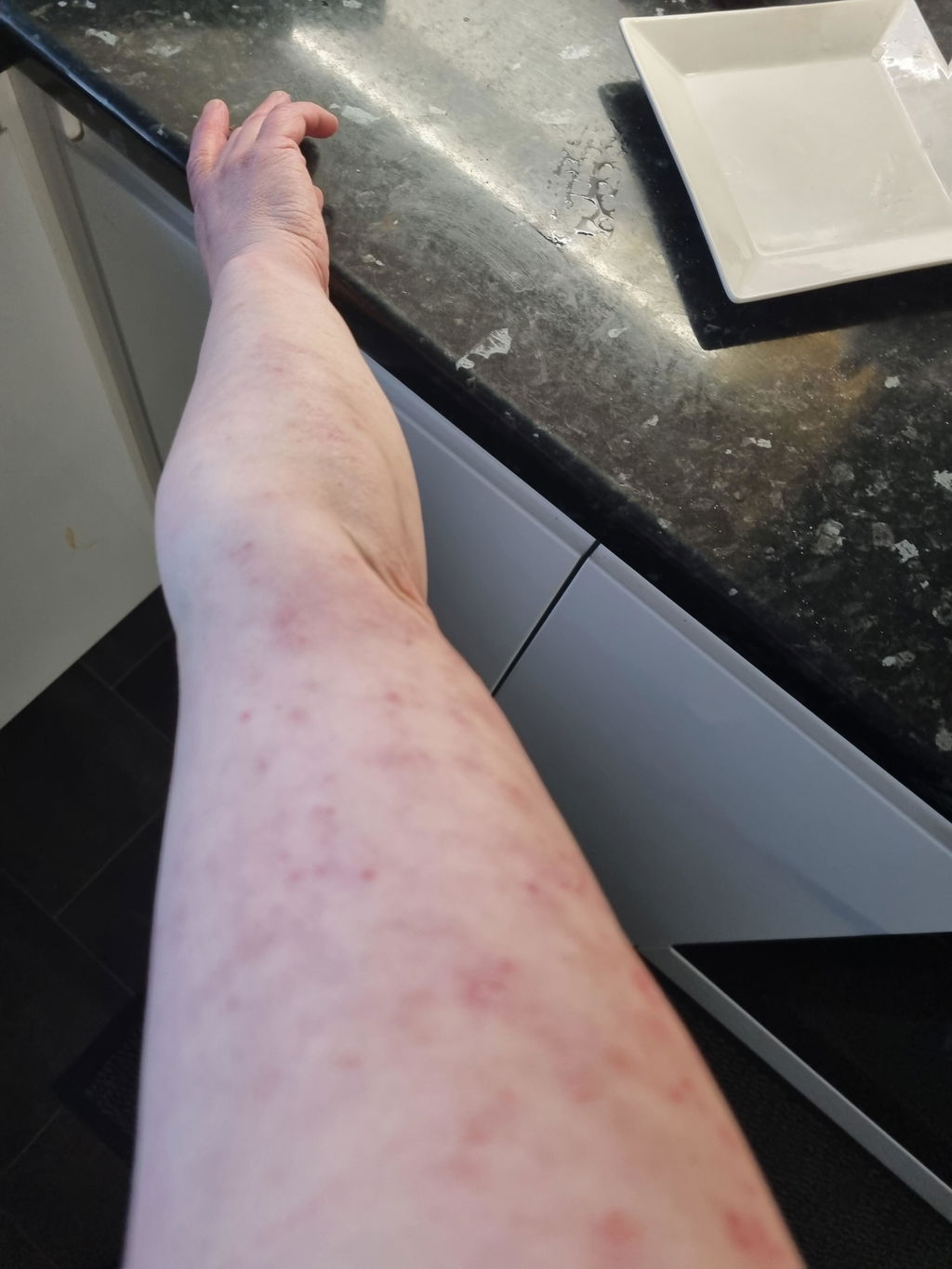
The main signs include intense itching that worsens at night, redness, flaking, and the appearance of small blisters. In chronic cases, the skin may become rough and thickened over time.
Want to discover everything there is to know about eczema?
Read the full article2. Eczema cream – how it can help

The right cream is your most powerful ally against discomfort. It doesn't simply coat the skin – it works actively to support its recovery at a cellular level.
The benefits of InaEssentials cream
A good product soothes the itch whilst creating an invisible protective film that helps shield the skin from external irritants. That is precisely the kind of natural cream we have created.
How InaEssentials cream supports your skin
Our cream contains no synthetic fragrances, parabens, or sulphates. We rely on ingredients such as chamomile, St. John's Wort, propolis, and urea, which are naturally moisturising, soothing, and well-tolerated by the skin.
How to use the cream
For eczema-prone skin, it is best applied to clean, slightly damp skin within the first three minutes after bathing. This is known as the "soak and seal" method, which helps lock moisture into the skin. Of course, it can also be applied at any other time of day.
Find out what sets our natural cream apart and what results you can expect.
Read the full article3. Soothing eczema at home

Nature offers wonderful remedies for calming irritated skin that you can try at home straight away. They make an ideal complement to your everyday skincare routine.
Home remedies and how to use them
Cool compresses soaked in a chamomile infusion can instantly ease the burning sensation and help reduce swelling.
Natural oils and eczema
Oils such as coconut, jojoba, and sweet almond nourish the skin deeply, but should always be used with care and after a patch test, to avoid any potential allergic reactions.
Discover the best home recipes for relieving itching and calming your skin.
Read the full article4. Eczema during pregnancy – how to care for your skin

Pregnancy is a time of great change – including for your skin. Rising hormone levels can trigger eczema even in women who have never experienced it before.
Why it occurs
The expectant mother's immune system adjusts to protect the growing baby, which can sometimes make her more sensitive to external irritants and allergens.
Safe products
During this period, it is important to avoid over-the-counter corticosteroids without medical advice. Pure, plant-based cosmetics free from harsh chemicals are the most appropriate choice for both mother and baby.
Read everything about safe skincare during pregnancy and after birth.
Read the full article5. Eczema in children – how to help
Children's skin is extremely delicate and thin, making it far more prone to irritation. In little ones, eczema is often accompanied by significant discomfort and restlessness.
Why children develop eczema
Beyond genetics, everyday factors such as laundry detergents, hard water, and synthetic fabrics are among the most common culprits. Their skin is still building its immune defences.
Natural remedies
Using gentle plant extracts helps calm the skin without the risk of systemic accumulation of chemicals in a child's body.
See our guide for parents of children and babies with eczema:
Read the full article6. Diet and eczema – what makes a difference

The connection between the gut and the skin is direct. The inflammation you see on the surface often begins with what you put on your plate.
Foods that aggravate eczema
Processed sugar, dairy products, and refined flour are well-known triggers that can intensify symptoms and make the skin more reactive.
Foods that support skin health
Foods rich in omega-3 fatty acids – such as oily fish and walnuts – act as a natural "lubricant" for the skin, supporting its elasticity and resilience.
Find out how to adjust your diet for clearer, calmer skin.
Read the full article7. Eczema and allergies – what is the connection
Eczema and allergies frequently go hand in hand as part of what is known as the "atopic march". When the skin barrier is weak, allergens can penetrate more easily and provoke an immune response.
Allergic triggers
Pollen, house dust mites, and pet dander can worsen your skin's condition even if you have no obvious signs of hay fever or sneezing.
Prevention
Keeping the skin well moisturised is the first line of defence, helping to prevent external allergens from triggering inflammation.
Learn more about the link between the immune system, allergies, and eczema.
Read the full article8. Eczema on the hands – causes and care
The hands are the part of the body most exposed to irritants. Eczema here is often painful and can interfere significantly with everyday tasks.
Why the hands in particular?
Frequent handwashing, the use of hand sanitisers, and contact with cleaning products strip the skin of its natural oils, leading to cracking and persistent itching.
Targeted care
Wearing gloves and applying a rich protective cream after every wash are essential steps in supporting the recovery of the skin on your hands.
Discover how to manage persistent eczema on the hands.
Read the full article9. Chronic eczema – long-term care
Chronic eczema requires patience and consistency. It is not a condition that resolves in a week – it calls for a way of life orientated towards maintaining healthy skin.
The itch–scratch cycle
The greatest challenge is breaking the scratching habit, which further damages the skin and creates conditions for secondary issues. Regular moisturising is the key to interrupting this cycle.
A strategy for healthy skin
Building a daily routine with natural products helps reduce the frequency of flare-ups and keeps the skin in a calmer state for longer.
Read our tips for managing chronic eczema over the long term.
Read the full articleInaEssentials' natural solution for eczema: the power of plants

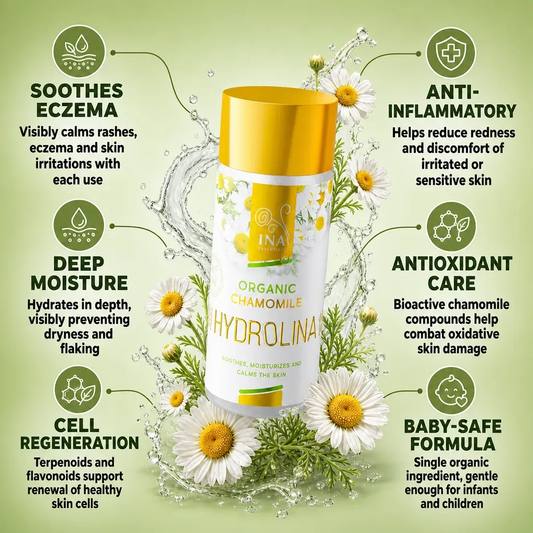
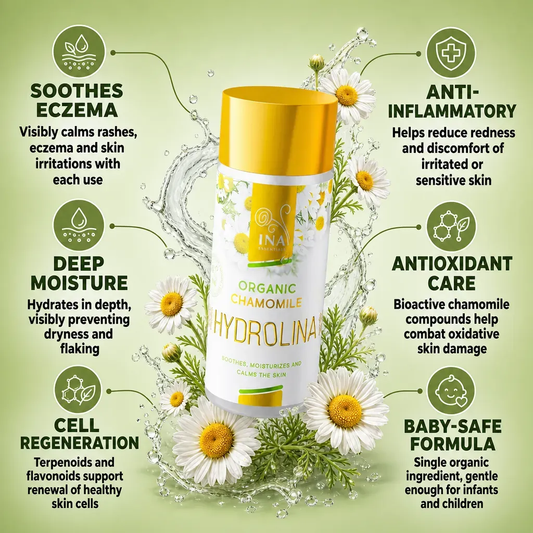
Our soothing cream blends centuries of botanical tradition with a modern approach. With Organic Chamomile for immediate calming and St. John's Wort for deep renewal, we help restore your skin's natural balance.
SHOP NOW AND EASE THE ITCH