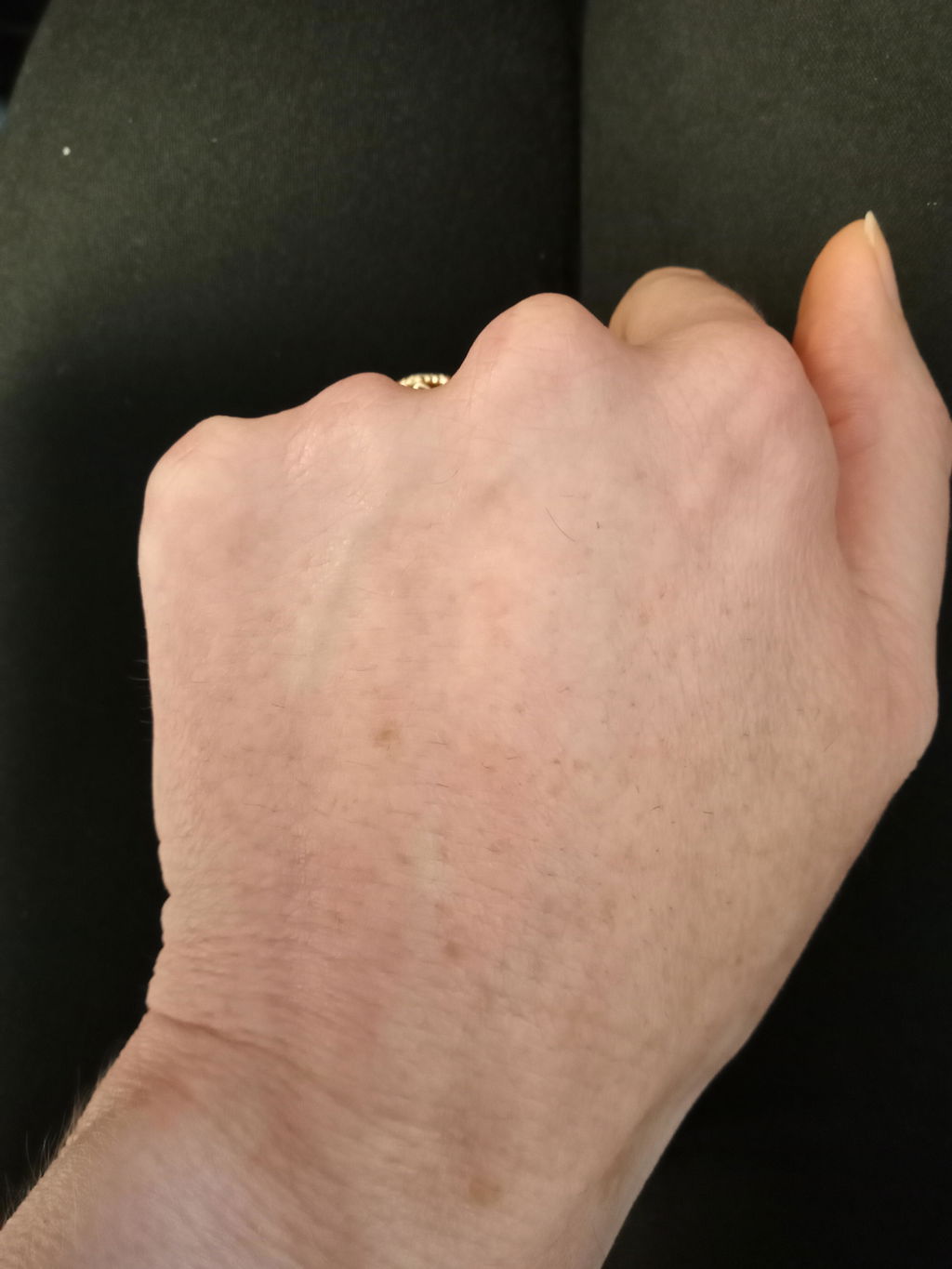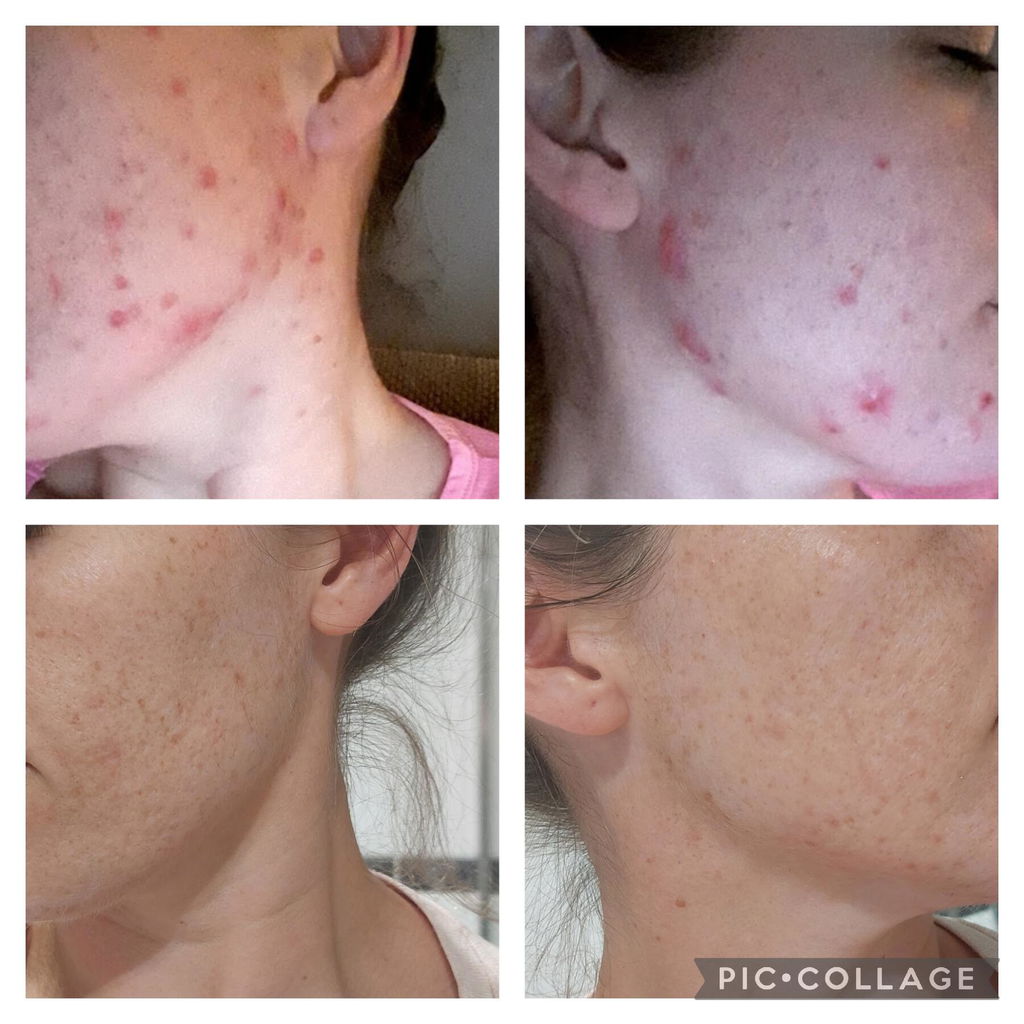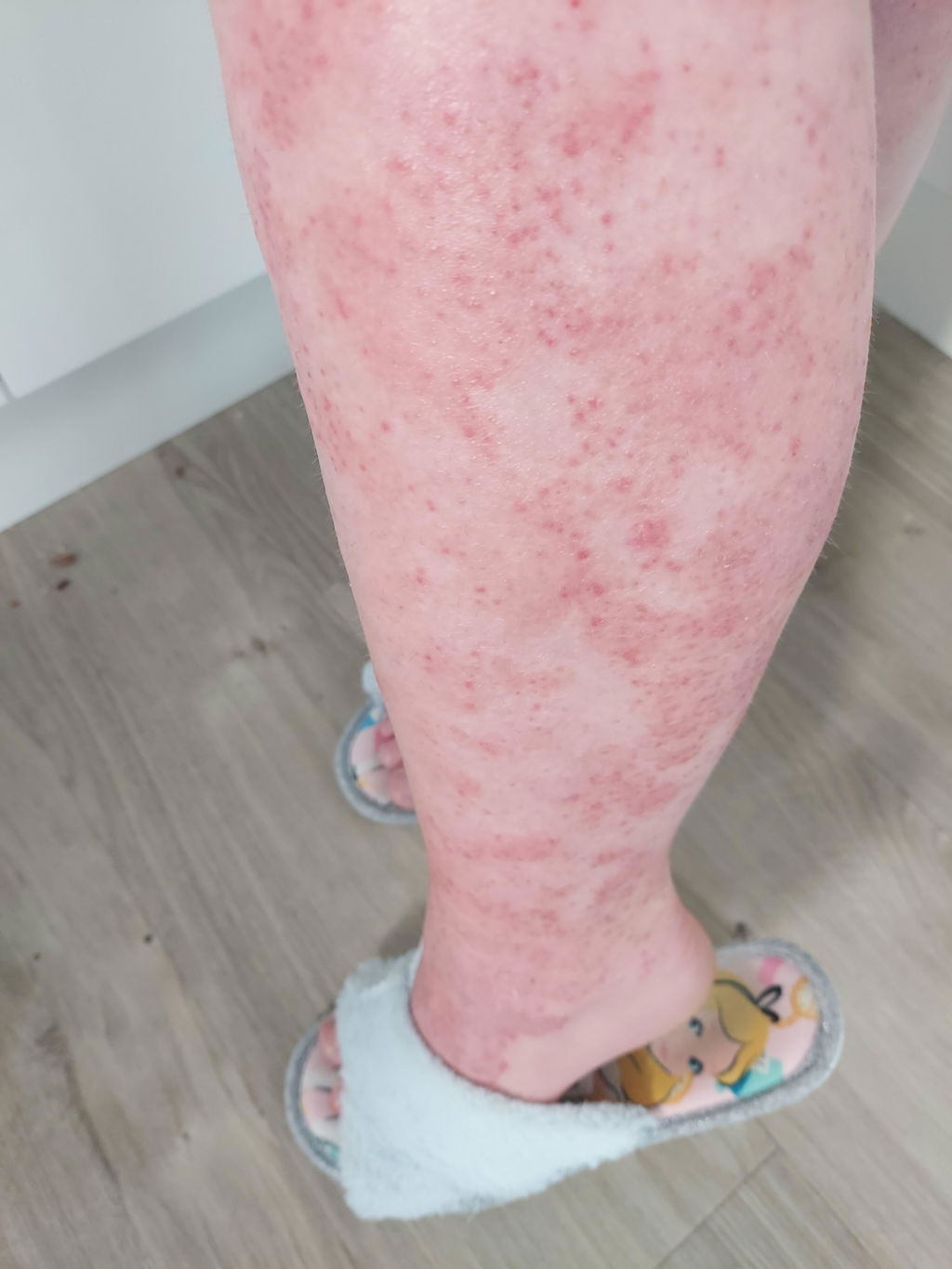


In today's world, a surprisingly large number of people live with this delicate condition. And there is one more thing they share beyond the condition itself — nobody wants to talk about it. Let us explore the most important aspects of eczema in a structured and clear way.
What is Eczema
Eczema is a medical condition characterised by chronic inflammation of the uppermost layer of skin (the epidermis). When this barrier is compromised, the skin loses its ability to retain moisture and becomes highly permeable to external irritants, prompting the immune system to respond with inflammation. Eczema can appear anywhere on the body, but most commonly affects the face, hands, feet, and the inner creases of the elbows. Eczema is not contagious.
Types of Eczema
For effective care, it is important to identify the exact type of eczema, as each has its own distinctive characteristics:
Atopic Dermatitis
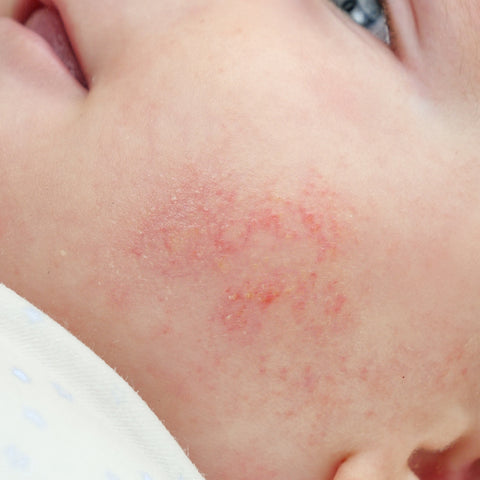
This is the most common form of eczema, which often begins in early childhood. It has a strong hereditary component and is frequently associated with immune hypersensitivity. It is caused by a genetic deficiency of the protein filaggrin, which prevents the skin from retaining hydration and leaves it vulnerable. It presents as dry, intensely itchy red plaques, most often found in the creases of the elbows, behind the knees, and on the cheeks.
Eczema vs. Dermatitis: What is the Difference?
The terms "eczema" and "dermatitis" are sometimes used interchangeably, but there is a subtle distinction. Dermatitis is a broader term covering various forms of skin inflammation, including eczema. Eczema, on the other hand, is a specific type of dermatitis with its own unique characteristics and trigger factors.
Contact Dermatitis

This occurs when the skin reacts following direct contact with a particular substance. It is divided into two subtypes: Allergic (an immune response to metals such as nickel, fragrances, or cosmetics) and Irritant (inflammation after exposure to harsh chemicals, acids, or strong cleaning products). Symptoms are usually confined to the point of contact and include redness, burning, and sometimes blistering.
Dyshidrotic Eczema

This type primarily affects the hands and feet. Its hallmark is the appearance of small, deep-seated, intensely itchy blisters that resemble tapioca pearls. Once the blisters dry out, the skin begins to peel and remains painfully red and dry. It often flares up during seasonal stress, humidity, or contact with certain metals.
Seborrhoeic Dermatitis

This is a chronic condition affecting areas with a high concentration of sebaceous glands. In babies it is known as "cradle cap", while in adults it affects the scalp, eyebrows, sides of the nose, and chest. It presents as greasy, yellowish scales (dandruff) on a strongly reddened base. It is often triggered by a specific type of fungus that feeds on skin sebum.
Nummular (Discoid) Eczema
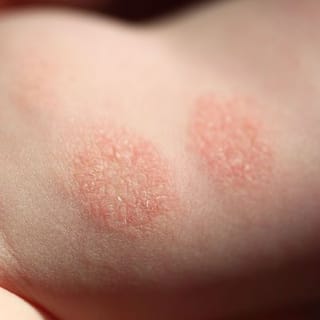
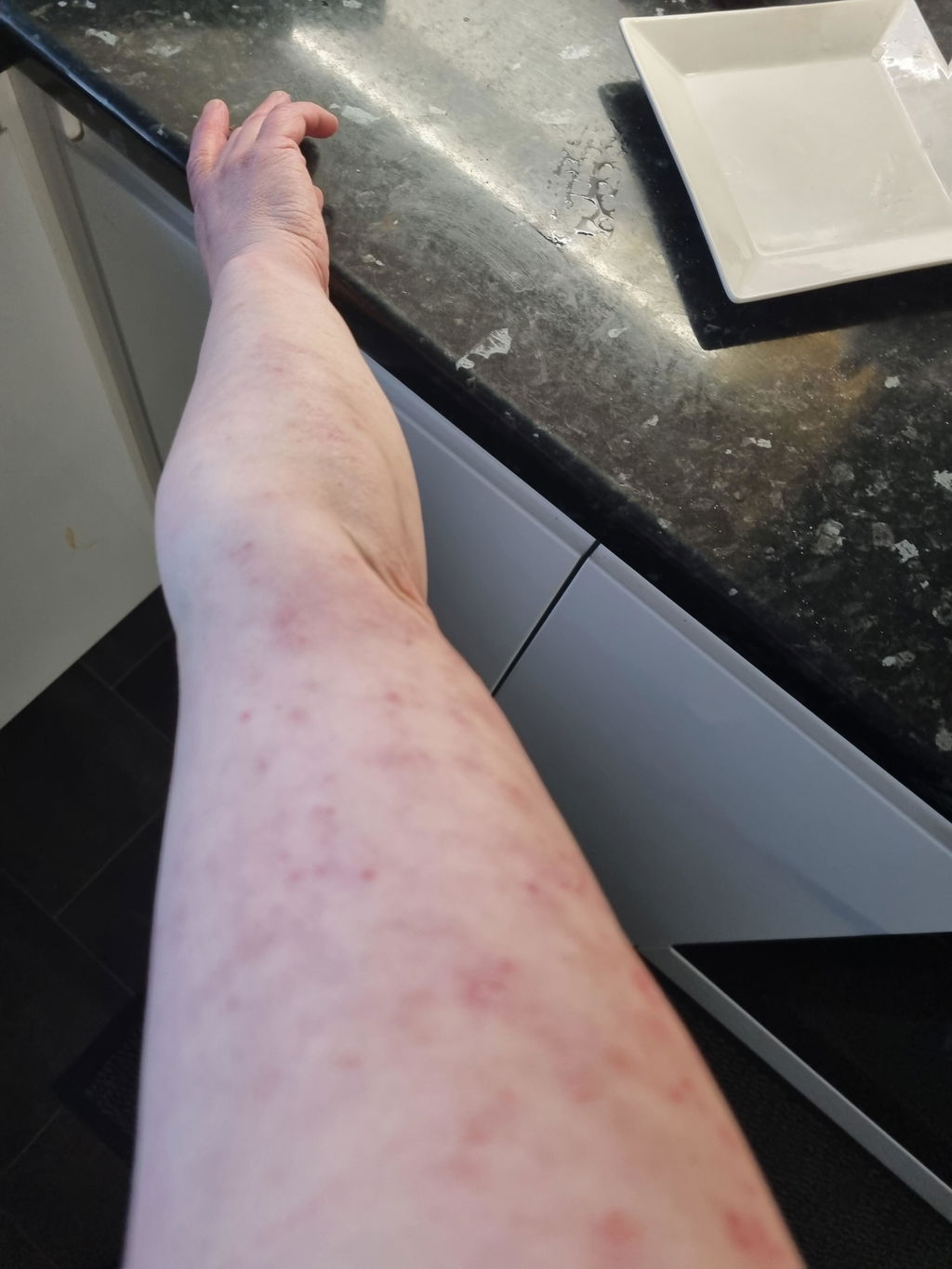
This type is easily recognised by its distinctive coin-shaped patches. These areas are clearly defined, intensely itchy, and can become "weepy". They most commonly appear on the legs and arms following a skin injury, a burn, or during extreme dryness in winter.
Causes of Eczema
Eczema is a multifactorial condition in which internal and external factors intertwine. The main causes include:
- Genetic predisposition: If parents have eczema, asthma, or hay fever, the risk for their children is significantly higher. This is often linked to a mutation in the filaggrin gene.
- Impaired immune response: In people with eczema, the immune system reacts excessively to otherwise harmless substances (such as dust or pollen).
- Disrupted lipid barrier: The skin does not produce sufficient natural fats, allowing moisture to evaporate rapidly.
- Environmental factors: Polluted air, hard water, sudden temperature changes, or dry air.
- Stress: Elevated cortisol levels weaken the immune response and can lead to severe flare-ups.
Symptoms of Eczema
- Intense itching (Pruritus): The most pronounced symptom, which often disrupts sleep.
- Redness and inflammation: The skin appears "inflamed" and feels warm to the touch.
- Extreme dryness: The surface becomes rough and flaky.
- Cracking (Fissures): Painful cracks that can bleed.
- Vesicles: Small blisters that weep a clear fluid.
How to Care for Your Skin
Keeping the skin well hydrated is the most important step. Avoid hot showers and replace harsh soaps with cleansing oils. Apply emollients immediately after bathing, on slightly damp skin.
Natural Care from InaEssentials

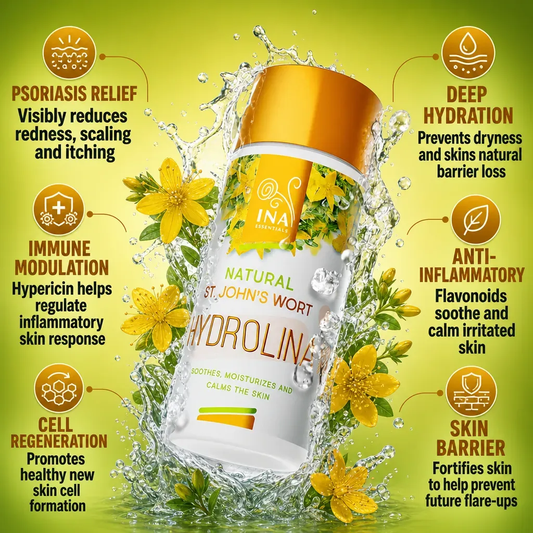
Our Soothing Cream is developed specifically to restore barrier function. It contains St. John's Wort oil, which supports cell regeneration, and Organic Chamomile and Propolis, which soothe nerve endings.
GET THE CREAM HERE🎁 BEST VALUE OFFER 🎁

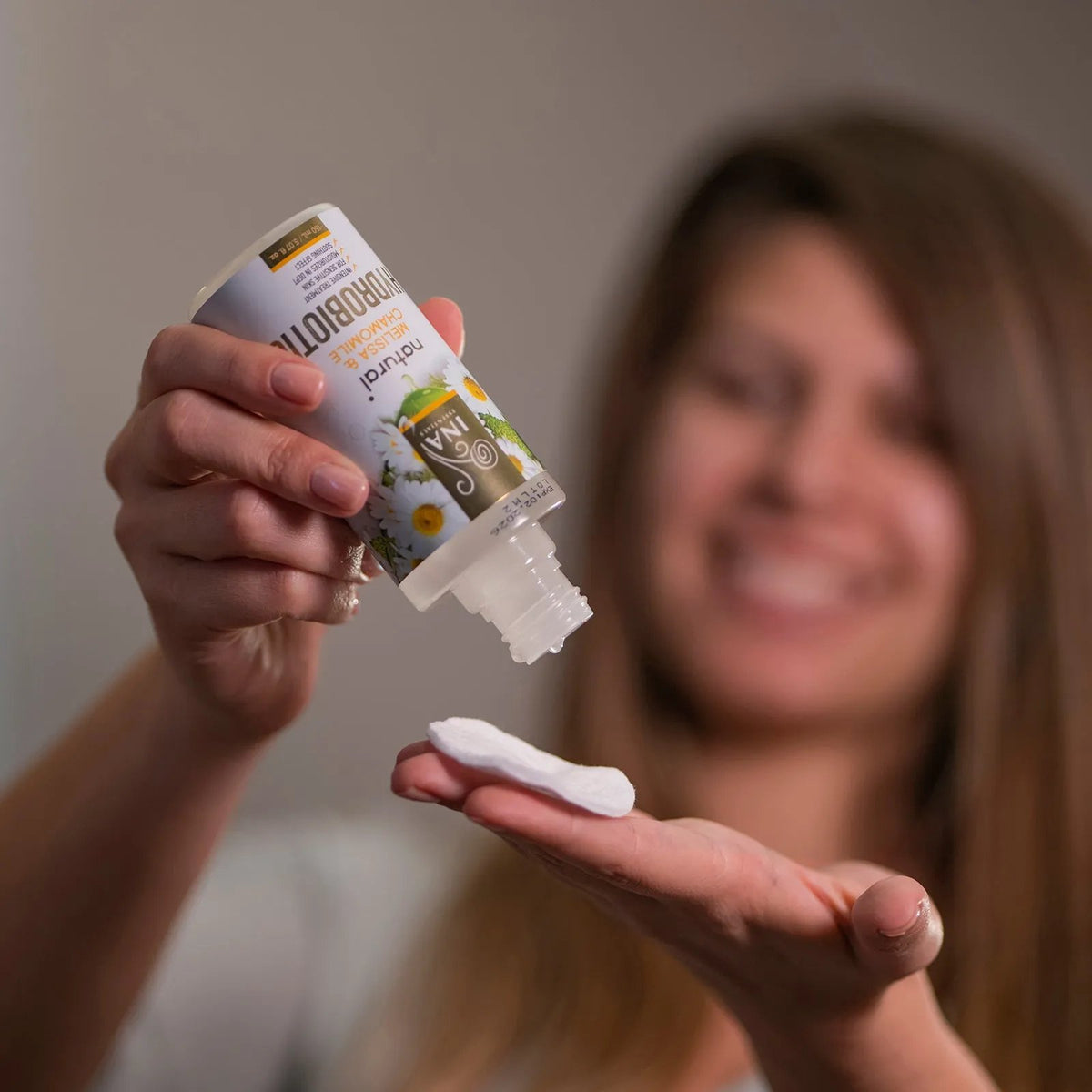
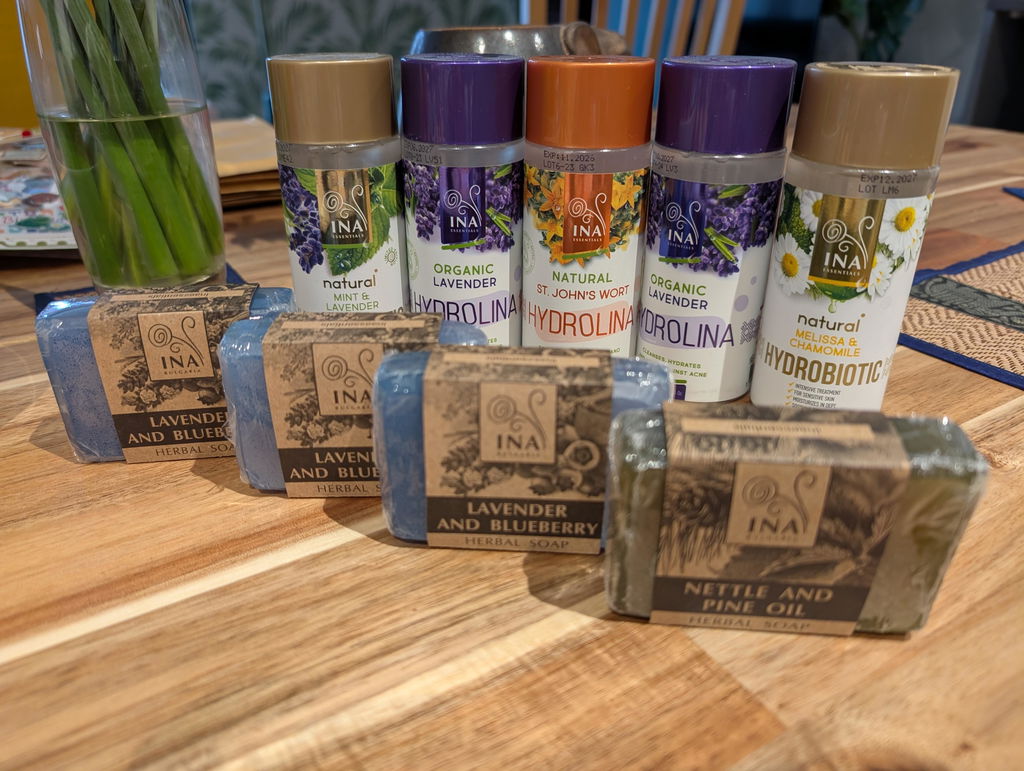
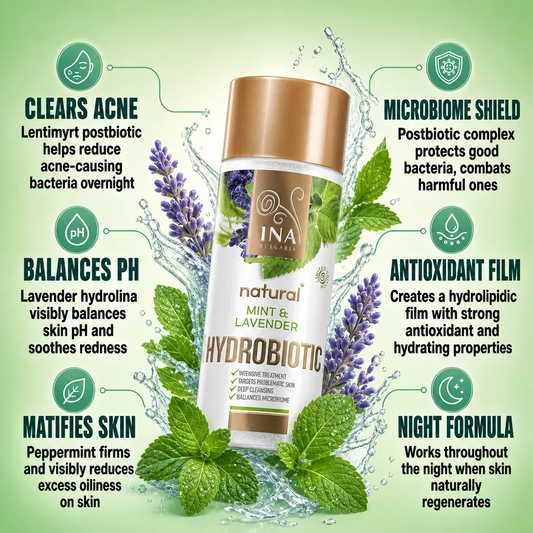
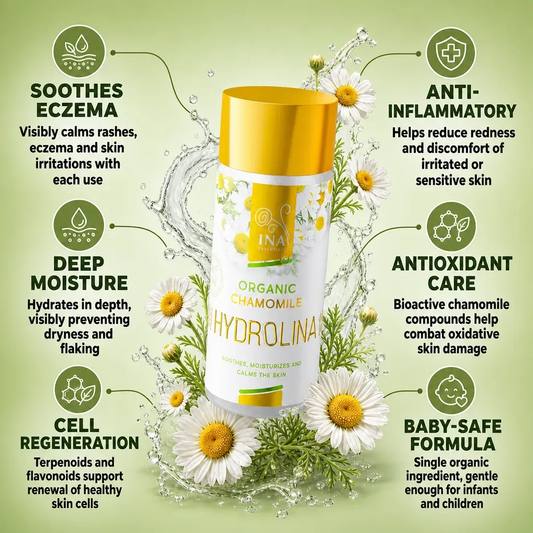
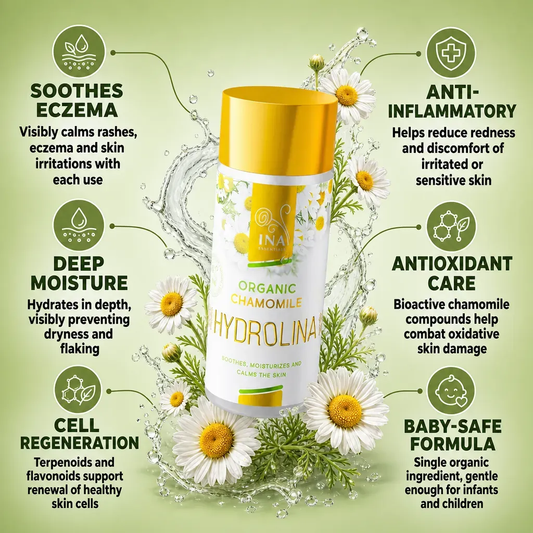
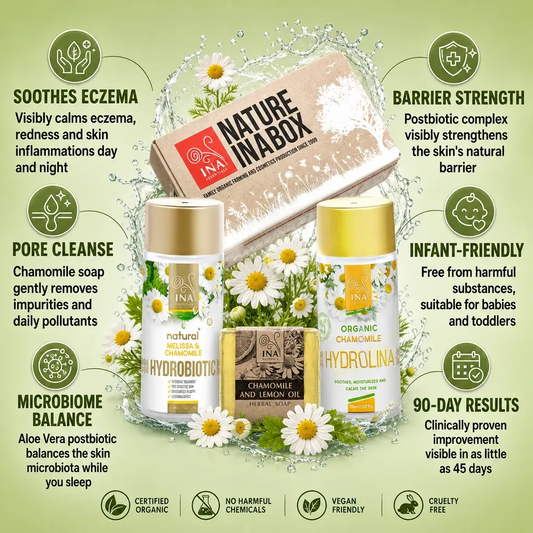
For maximum results, cleanse the area with our Hydrobiotic — Chamomile and Melissa before applying the cream. When you purchase 2 creams, you will receive 2 Hydrobiotic — Chamomile and Melissa completely free!
SHOP THE PROMO BUNDLESee promotion details
Explore more eczema products.
10% discount code for your next order:
Frequently Asked Questions
❓ Can eczema be completely managed?
Eczema is a chronic condition. With proper care and avoiding triggers, symptom-free periods can last for years.
❓ Why does itching feel more intense at night?
Cortisol levels drop, and the absence of external distractions means our attention focuses more on the discomfort.
❓ What foods should I avoid?
Dairy products, gluten, and sugar often intensify inflammation in sensitive individuals.
5 Golden Rules for Eczema
- 👉 Fabrics: Cotton or silk only. Avoid wool.
- 👉 Washing: Rinse clothes twice, without strong fabric softeners.
- 👉 Bathing: Lukewarm water for 5–10 minutes.
- 👉 Nails: Keep them short for safety.
- 👉 Relaxation: Manage stress through breathing exercises or yoga.
"Over 100,000 families worldwide have trusted the power of nature with InaEssentials."