

Updated: July 2026
In high summer, sweat, pool chlorine, salt water and air conditioning dry out the skin barrier and are among the most common triggers of an eczema flare-up. Rinse your skin with lukewarm water straight after swimming, pat it dry and apply your cream while the skin is still damp, wear loose cotton clothing and calm any itching with cool chamomile compresses.
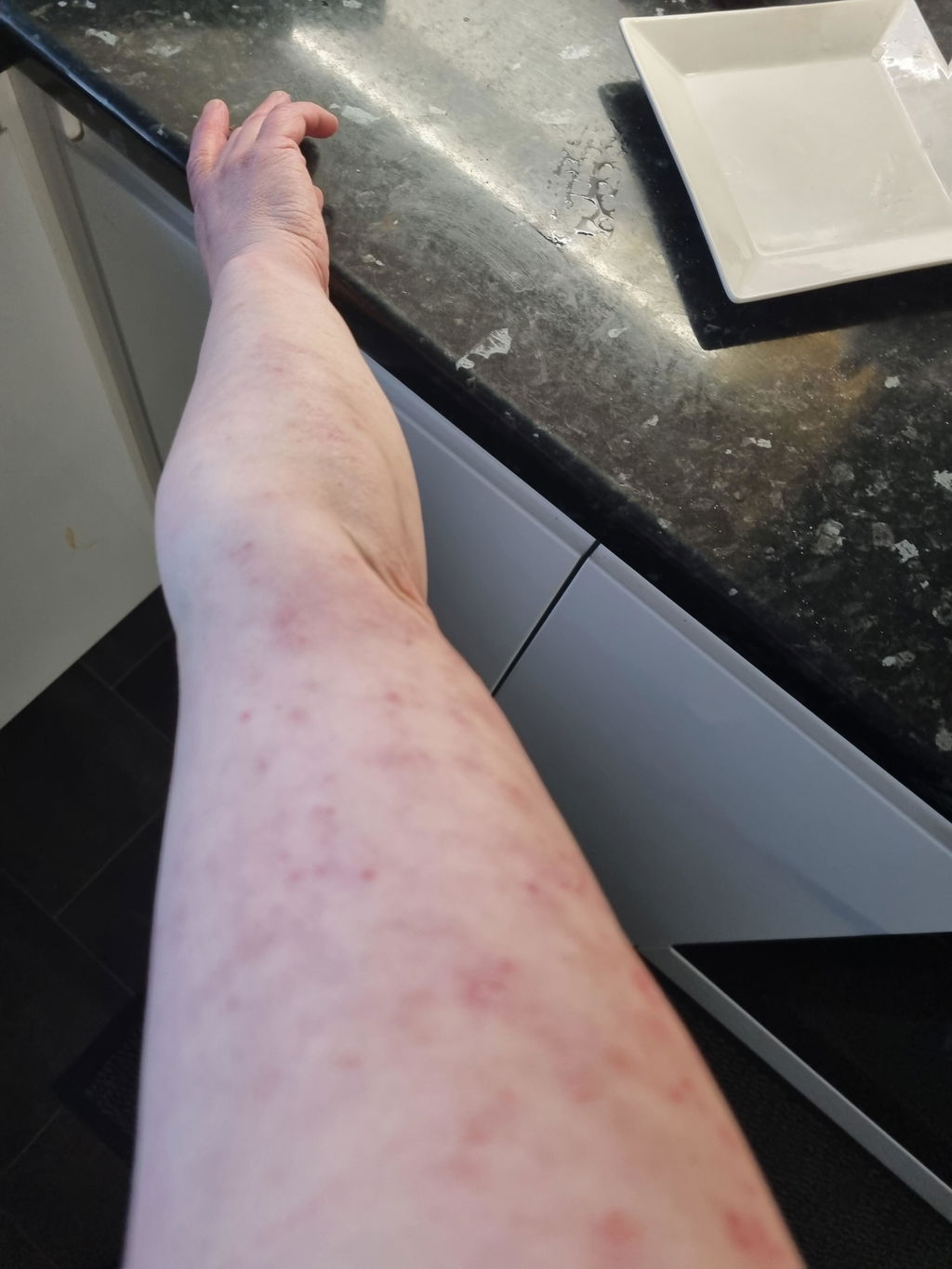
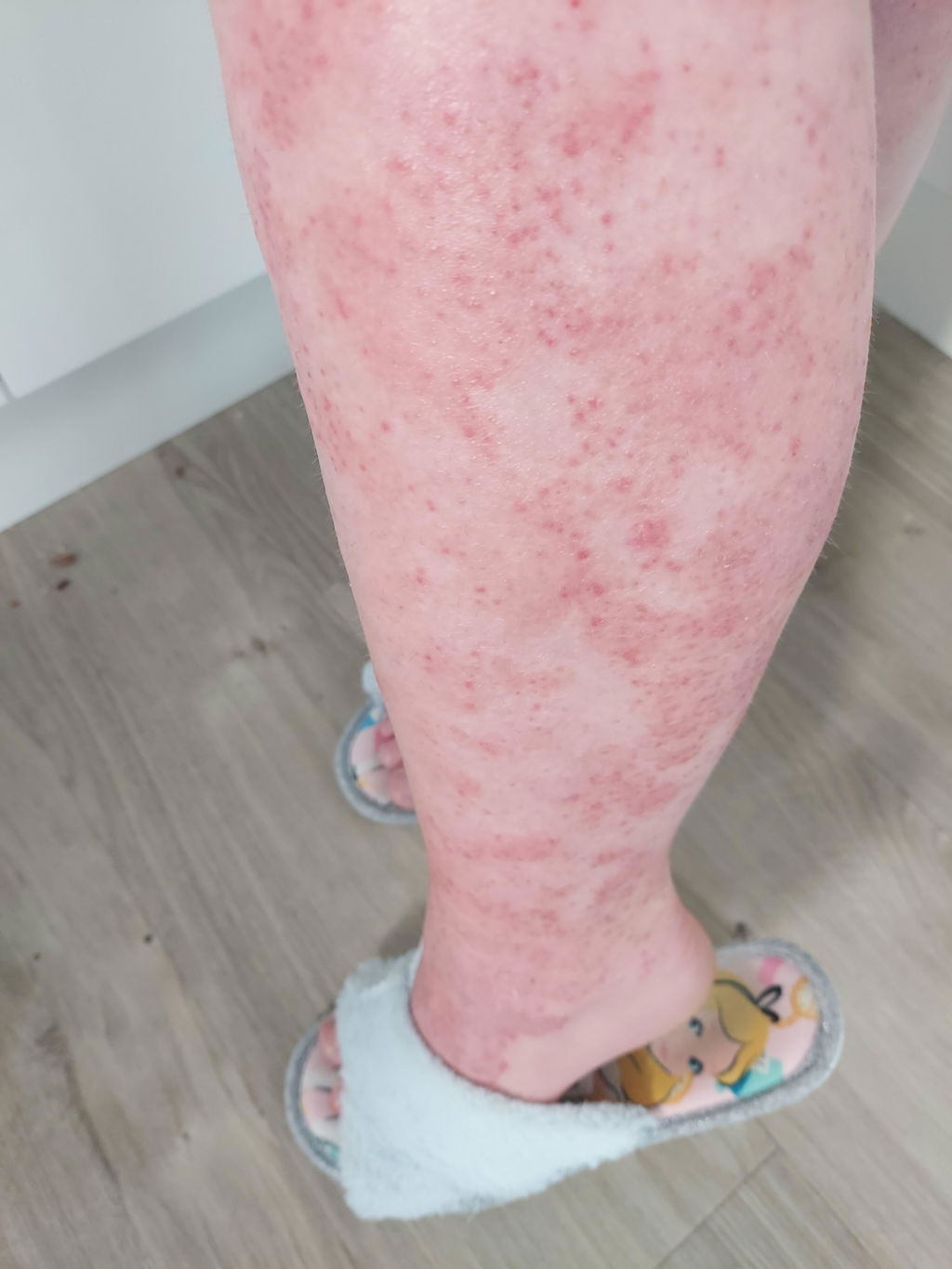
Eczema is more than just a dry patch on the skin. It is a daily discomfort, accompanied by persistent itching, redness, and a constant search for answers that actually work.
At InaEssentials, we believe that our skin reflects how we care for ourselves, and that nature holds all the resources needed to help us restore our balance.
In this article, we will explore how you can soothe eczema symptoms at home, relying on safe, proven, and entirely natural methods.
Table of Contents:
Home Remedies for Eczema in Ancient Times
Long before the advent of modern dermatology and pharmacology, people were already searching for a remedy for "itchy skin" in the nature around them. In the ancient civilisations of Egypt and Greece, herbs and plant-based oils were the primary tool in the fight against skin inflammations. Ancient Egyptian papyri describe ointments made from pure honey, plant resins, and herbal extracts, used to soothe acute irritations.
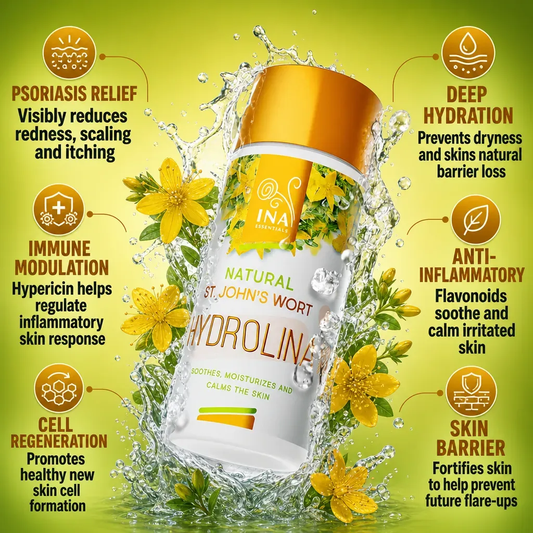
Our ancestors discovered the calming power of chamomile and the regenerating properties of St. John's Wort, passing these invaluable insights down through the generations. In traditional folk medicine, St. John's Wort (known as the "herb for a hundred ailments") was the first choice for healing wounds and soothing inflamed tissue. Then, as today, the primary focus was on restoring the skin's balance in the gentlest way possible, without resorting to aggressive methods that could cause further harm.
The Most Common Home Remedies for Eczema
Here are some of the most effective and safe remedies:
-
Colloidal Oat Bath: These are exceptionally finely ground oats dissolved in bath water. They contain specific fats and proteins that soften the skin, reduce inflammation, and naturally minimise itching. You can use them as a full bath — when eczema affects the whole body — or as a compress when it is limited to a specific area.
For a bath:Take plain, unflavoured oats and blend them into a fine white powder. The powder should be fine enough that when you stir a spoonful into a glass of water, it turns milky white rather than sinking to the bottom.
Add about one cup of this powder to a bath of lukewarm water. Soak for 10–15 minutes. Rinse off gently with water only and pat the skin dry, leaving the beneficial fats on the skin surface.
For a compress:
Use finely blended oats mixed with water to form a thick paste. Apply directly to the affected area. You may wrap it with gauze and leave it on for 10–20 minutes. Then rinse carefully with lukewarm water. To preserve the effect, after the compress you may apply a moisturising cream. - Aloe Vera: Known for its antibacterial, antimicrobial, and immune-supporting properties, aloe vera cools irritated skin and supports the healing process. You may apply pure aloe vera gel or a gentle moisturising product with Aloe Vera.
- Cool Compresses: A clean cloth soaked in cool water or chamomile water can bring immediate relief during an acute bout of burning or itching.
The Benefits of Home Remedies for Eczema
Choosing natural methods and home-prepared remedies offers a number of strategic advantages for your skin, especially in the case of chronic conditions:
- No Harsh Chemicals: Most conventional products contain synthetic fragrances, parabens, and preservatives that often act as triggers for new eczema flare-ups.
- Deep Hydration: Eczema is directly linked to a compromised skin barrier. Natural oils do not simply coat the skin — they nourish the lipid layer in depth, helping to lock in moisture.
- Transparency and Control: You have complete clarity over exactly what you are applying to your skin, which brings peace of mind and confidence. That said, do take care when selecting your remedies — research them thoroughly and be aware of any side effects or interactions.
- Suitable for Sensitive Skin: Because they are as pure as possible, these remedies are gentle and suitable for long-term use.
How to Use Home Remedies for Eczema
To achieve the best results, it is important to follow a few helpful guidelines when applying these remedies:
• The Three-Minute Rule: After a lukewarm bath, pat your skin dry gently (never rub with a towel!) and within 3 minutes apply your moisturising product while the skin is still slightly damp. This "locks in" moisture within the epidermis.
• Sensitivity Test: Before applying any new product (even one that is entirely natural), test it on a very small area (such as the inside of the elbow) and wait at least 20–30 minutes to observe whether any unwanted reaction occurs.
• Water Temperature: Always use lukewarm, not hot, water. Hot water strips away the skin's natural oils, leaving it even drier and more vulnerable.
• Consistency: Natural methods take time. Be patient and apply your chosen remedy regularly to allow the skin to regenerate.
Side Effects of Home Remedies for Eczema
Although natural remedies are far gentler, it is important to approach them with the care and respect they deserve. Nature is powerful and the skin can react in different ways:
- Individual Allergic Reactions: Herbs contain hundreds of active compounds that can be highly potent. If you have a known pollen allergy, exercise particular caution.
- Photosensitivity: St. John's Wort can make the skin more sensitive to UV rays. Avoid direct sun exposure immediately after applying St. John's Wort oil.
- Risk of Infection: Never apply home remedies to open wounds, weeping eczema, or skin showing signs of infection without consulting a medical professional first.
- Excessive Drying: Some herbs have a strongly astringent effect and, if used too frequently, may dry out the skin further.
Our Favourite Natural Remedy for Soothed Skin

At InaEssentials, we have transformed centuries-old traditions into modern skincare. For those of you seeking a complete, professionally formulated, and entirely natural product, we have created our own natural solution.
Soothing Cream for Sensitive Skin – with St. John's Wort, Chamomile and Propolis

Specially developed for skin prone to psoriasis, eczema, and severe irritations. St. John's Wort supports the skin's natural regeneration, chamomile soothes instantly, and propolis acts as a natural protective shield.
VIEW THE PRODUCT HERE