

- Oily skin and acne: why oily skin causes breakouts
- Sebum, enlarged pores and the T-zone
- What causes excess sebum
- Can shampoo and hair products make oily skin and acne worse?
- Oily, combination or dry: identify your skin type
- Caring for oily skin without over-drying
- Morning and evening routine for oily skin
- When to see a doctor or dermatologist
Oily skin and acne: why oily skin causes breakouts

Oily skin has active sebaceous glands that produce skin oil for one purpose: to protect and soften the surface. The problem starts when sebum is produced in excess.
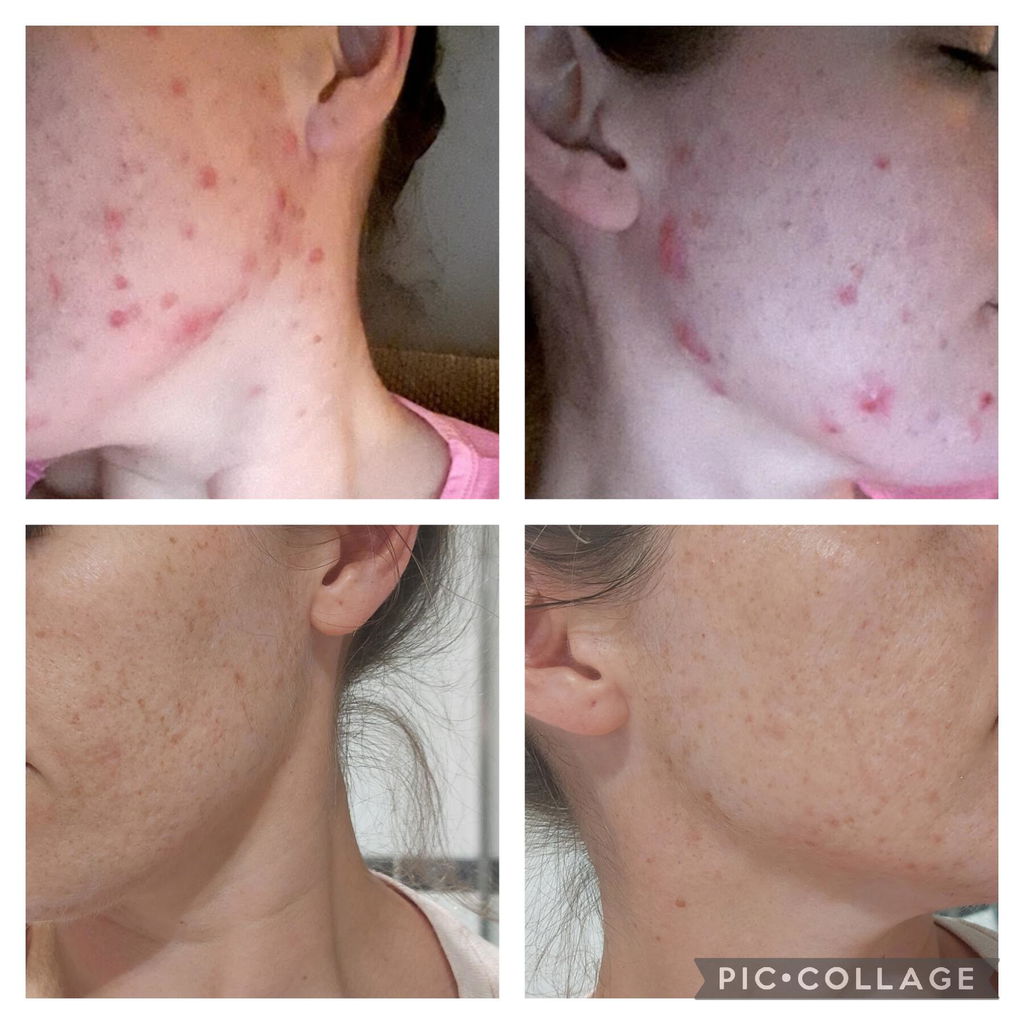
It mixes with dust, make-up residue and dead skin cells, and the pores become blocked from the inside out. This is how the most common breakouts on oily skin appear: blackheads, whiteheads and deeper inflamed spots, particularly around the nose, chin and forehead.
The longer the blockage remains, the more visible the inflammation becomes, which is why regular, correct cleansing is essential from the very first signs.
Sebum, enlarged pores and the T-zone
The T-zone covers the forehead, nose and chin, where the face has the highest concentration of sebaceous glands. When sebum is produced in larger amounts, the pores there can look larger as a greater volume of oil passes through them.
This is how visibly enlarged pores develop, which makes it even easier for grime to build up. The skin across the T-zone often looks shiny within hours of washing, while the cheeks and eye area stay drier, which is typical of combination skin. Recognising this pattern is the first step towards targeted care for oily skin, rather than treating the whole face the same way.

What causes excess sebum
Excess sebum production is rarely down to a single cause. Hormonal changes, heat and humidity, stress and even harsh cosmetics can all put a strain on the skin at once. Here are the most common triggers behind more sebum and more breakouts.
Can shampoo and hair products make oily skin and acne worse?
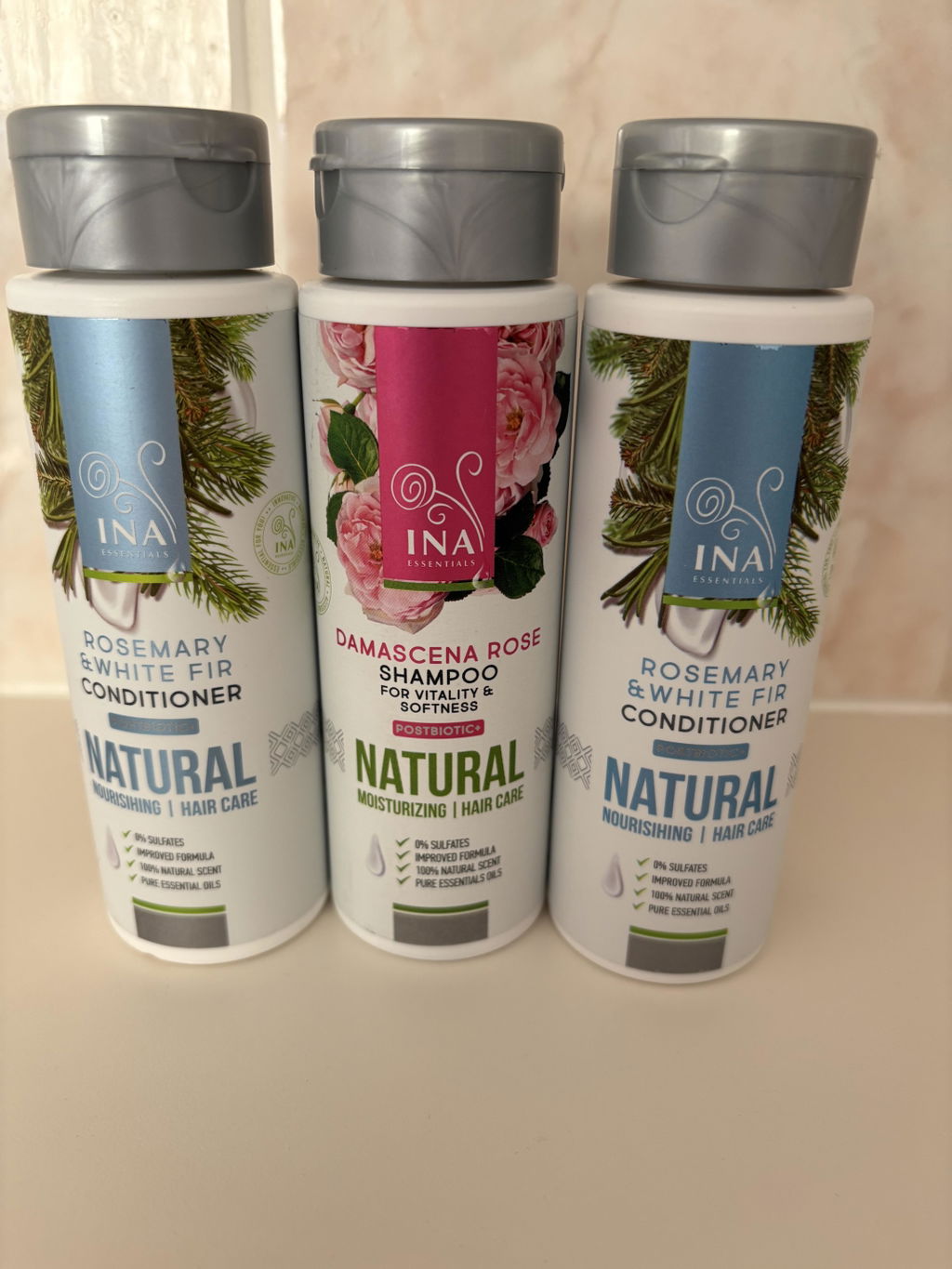
They can, particularly along the hairline, on the forehead, temples and jaw, and on the back and shoulders. Shampoo, conditioner, styling products and hair oils can leave a film that sits on the skin and blocks pores, and the same goes for sweat and oil from hair that rests on your face. Spots in these areas that keep coming back are worth a second look at your hair routine before you change your face care.
A natural label does not guarantee that a product is light on the skin, so if your breakouts started or got worse after a new shampoo or conditioner, it is reasonable to suspect it. A few simple habits help:
Oily, combination or dry: identify your skin type
Before choosing a routine, it's worth pinpointing exactly which skin type you're dealing with. The signs differ noticeably, and getting it wrong often leads to the wrong products and even more breakouts.
| Skin type | Signs |
|---|---|
| Oily | Visible shine across the whole face, enlarged pores, frequent blackheads and breakouts, especially in the T-zone. |
| Combination | Oily T-zone (forehead, nose, chin), but normal to dry cheeks and eye area. |
| Dry | A tight, flaky feeling, a matte and sometimes rough texture, minimal shine. |
Acne can also appear when your skin is both oily and dry at the same time. Oily skin can be dehydrated, which means it lacks water rather than oil, and that is why it can look shiny and still feel tight after washing. If you have breakouts on an oily T-zone and dry, flaky cheeks, cleanse gently, tone with a herbal water and use a light moisturiser everywhere, with a little more on the tight areas, instead of using strong drying products on the whole face.
Caring for oily skin without over-drying
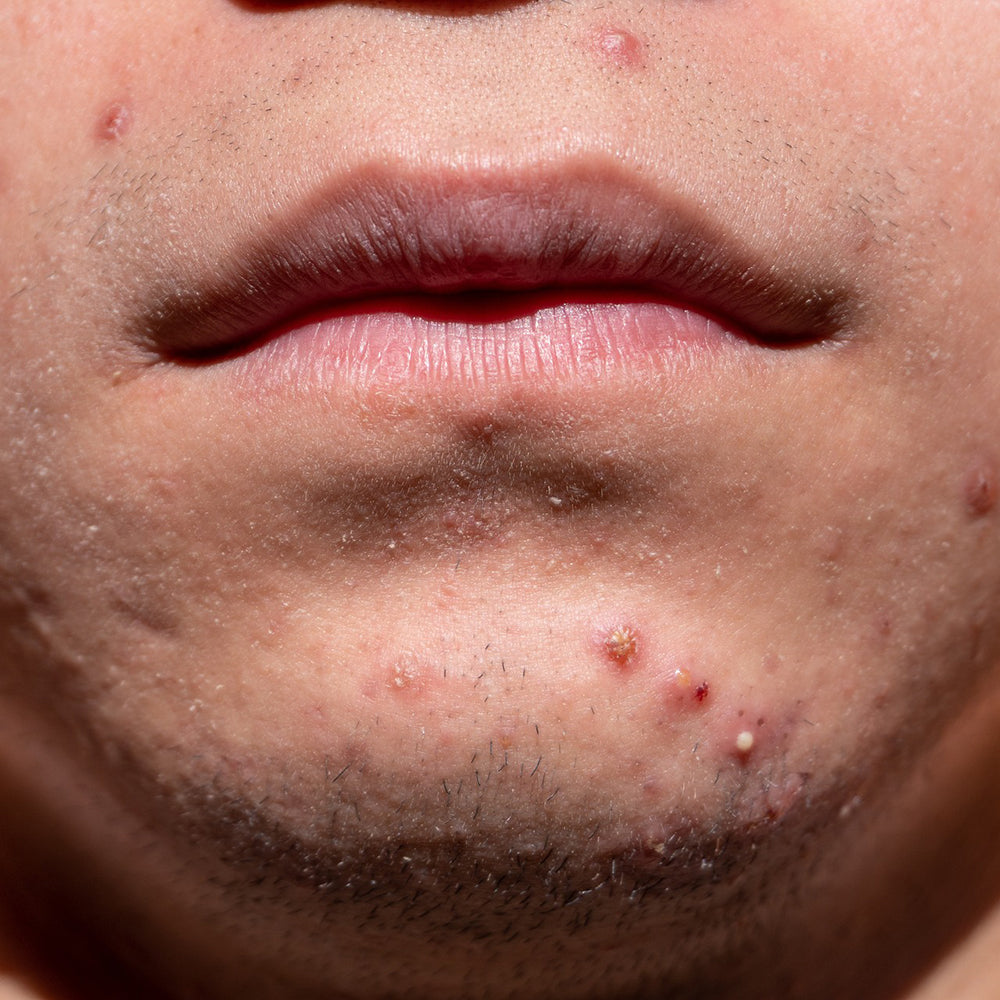
The most common mistake with oily skin is over-cleansing. When you strip away all the sebum with a harsh product, the skin reads this as a warning sign and produces even more oil to protect itself.
The result is a vicious circle: you wash, the skin turns shiny again within hours, you wash again. Dehydrated skin underneath an oily surface actually makes the problem worse, so the goal isn't "dry" skin, it's balanced skin. Choose formulas that cleanse deeply without breaking down the lipid barrier, and add a light, non-heavy moisturiser even if your skin is oily.
- Cleanse your face morning and evening with a gentle, non-stripping cleanser
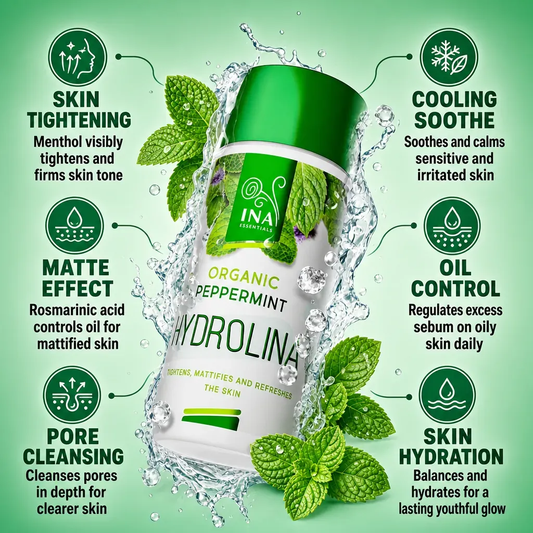
- Use herbal waters to mattify without drying the skin out
- Moisturise with a light, non-greasy texture
- Change your pillowcase regularly
- Excessive or repeated washing during the day
- Alcohol-based, harshly drying toners
- Rubbing or squeezing spots
- Heavy, comedogenic creams
For cleansing itself, choose a gentle formula designed for everyday use. The Natural Cleansing Foam for the Face with Lemon Balm and Geranium is designed to cleanse excess sebum and grime gently, while the prebiotic in its formula supports the skin's natural barrier. The soft mousse texture works without rubbing, which matters for skin prone to inflammation. Not sure whether foam, gel or milk suits you best? See Foam, gel or cleansing milk: what’s the difference?
Morning and evening routine for oily skin
A consistent routine matters more than any single "miracle" product. Here's a basic structure that helps balance sebum morning and night.
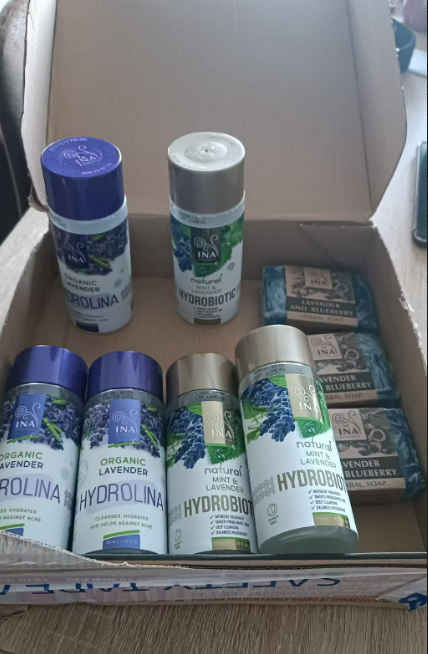
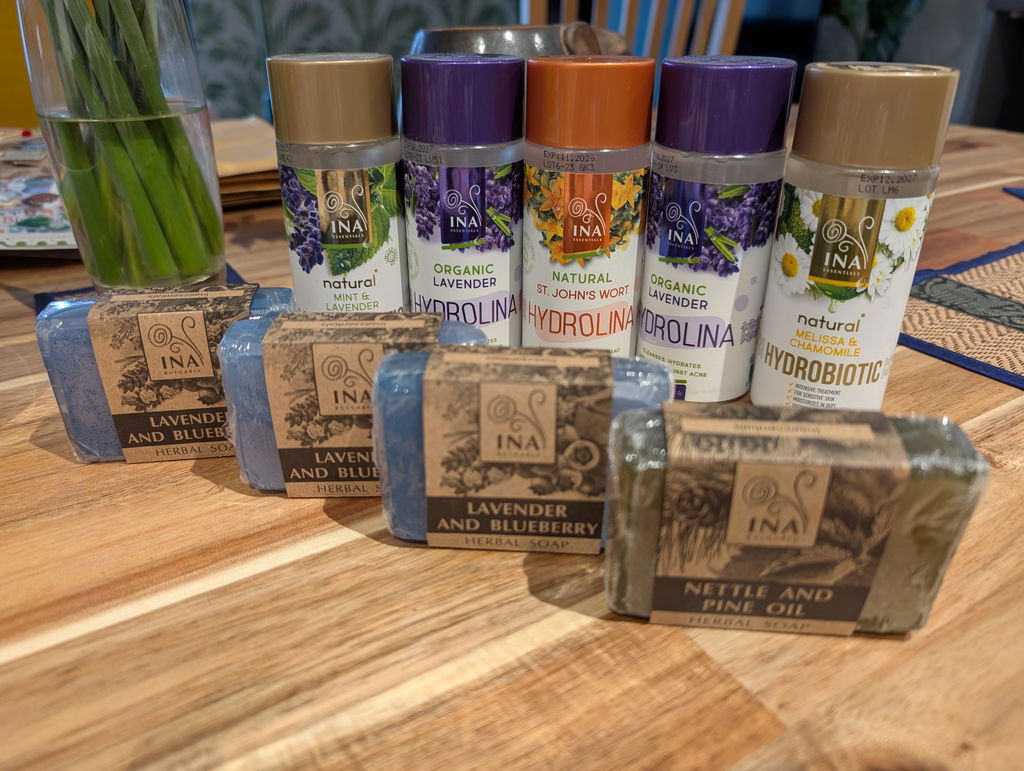
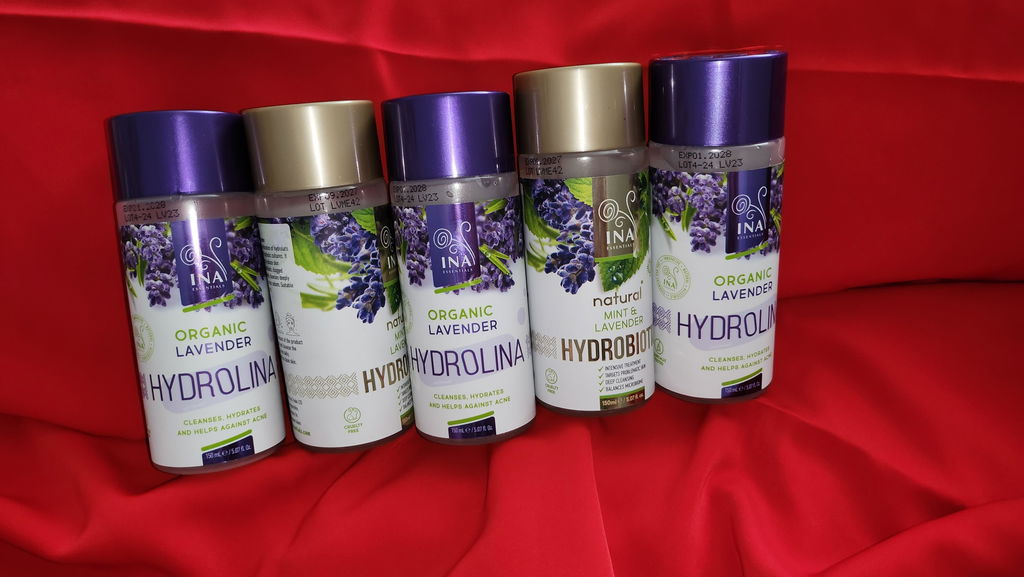
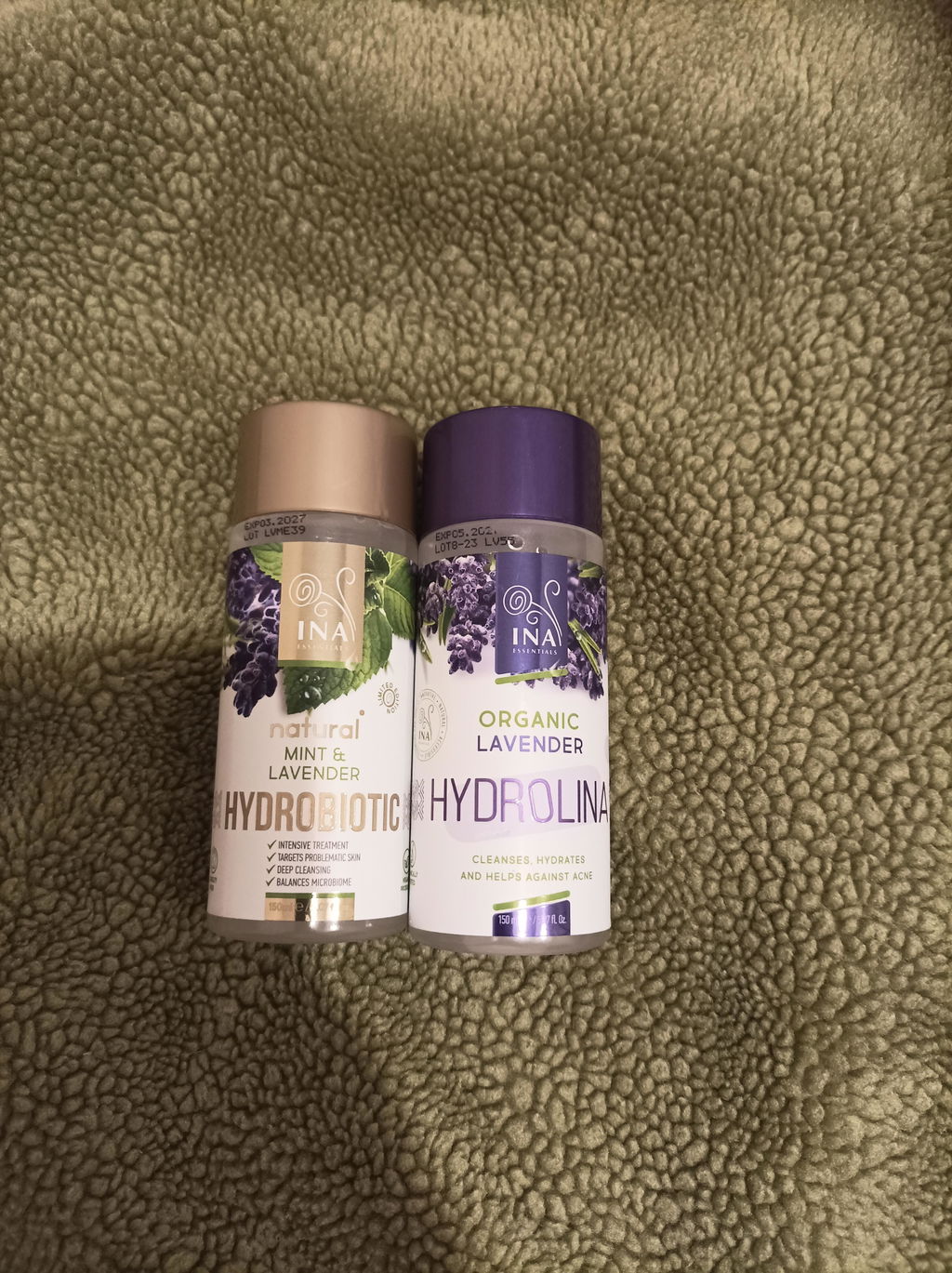
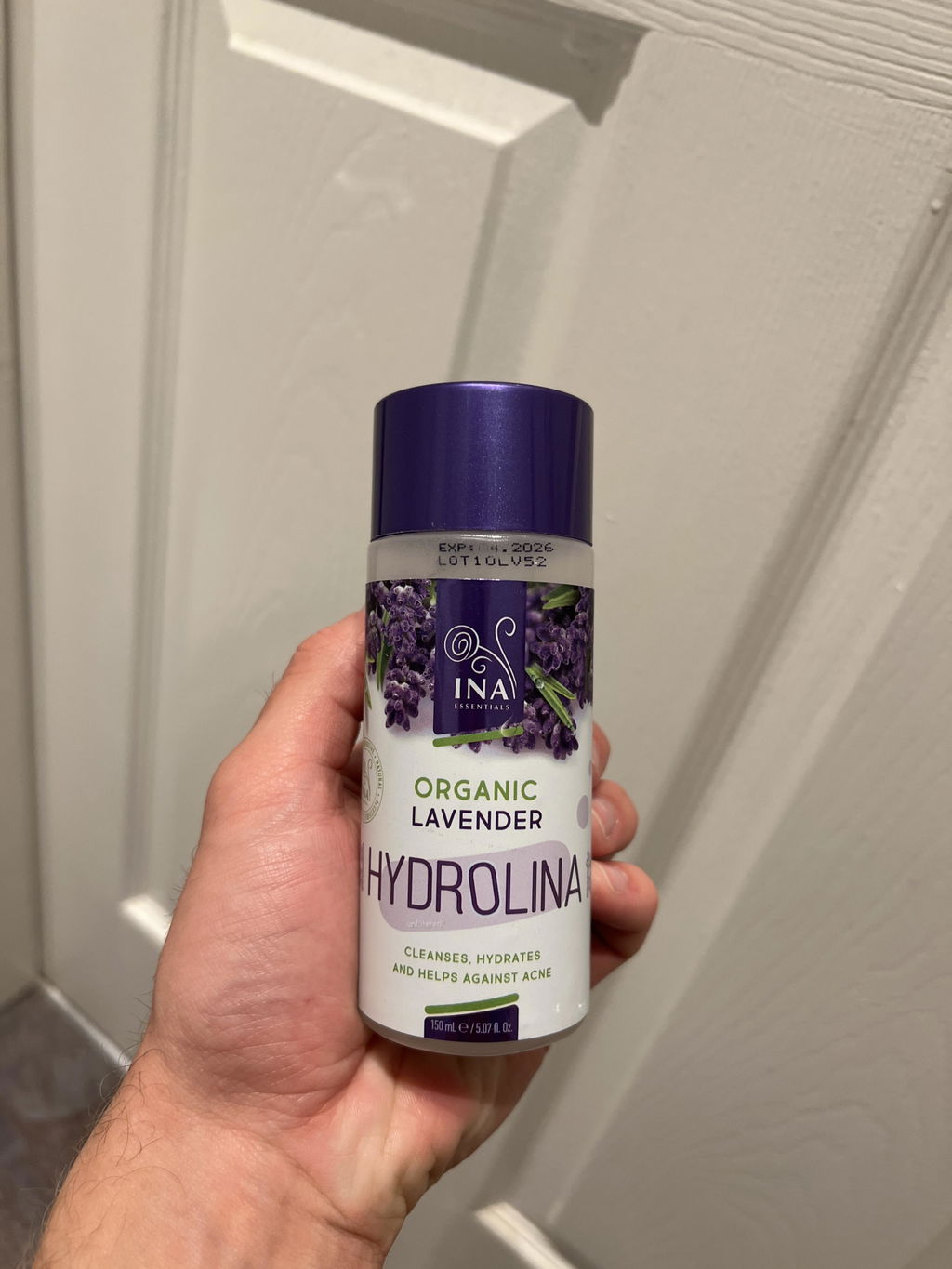
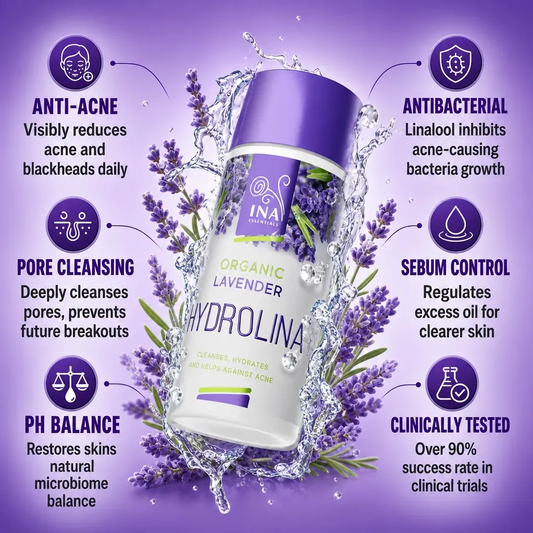
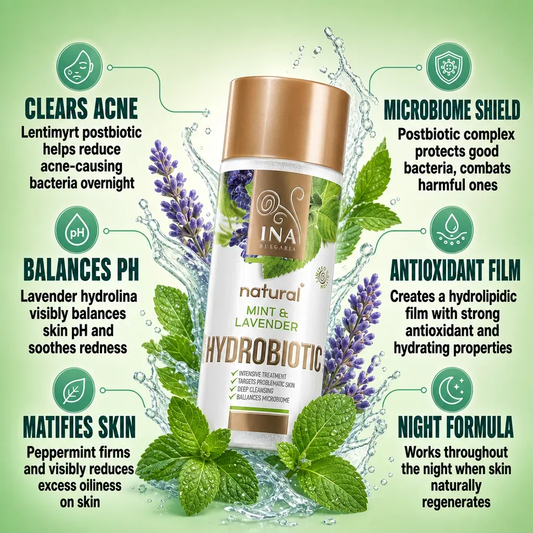
Hydrobiotic - Lavender and Mint is made for exactly this step: a light spray with lavender and mint that refreshes the skin and helps it feel calm, without the tight, dried-out feeling.

Supports the skin's natural barrier as part of a gentle cleansing and care routine.
Supports a balanced, matte-looking finish across the T-zone.
Leaves the skin feeling toned and fresh.
Soothes the look of redness and helps the skin feel calm.
It’s great for my oily t-zone which has seemed to have improved already after using for 2 weeks.
Love this! Bought to use for acne prone skin and it really does help and smells lovely too. Can’t fault this product.
I’m so glad I purchased this! Initially I noticed my face feel smoother and then less spots appearing. I’ve ordered a second bottle as my skin appears clearer and people have been complimenting my skin!
COMPLETE ROUTINE FOR BREAKOUT-PRONE SKIN
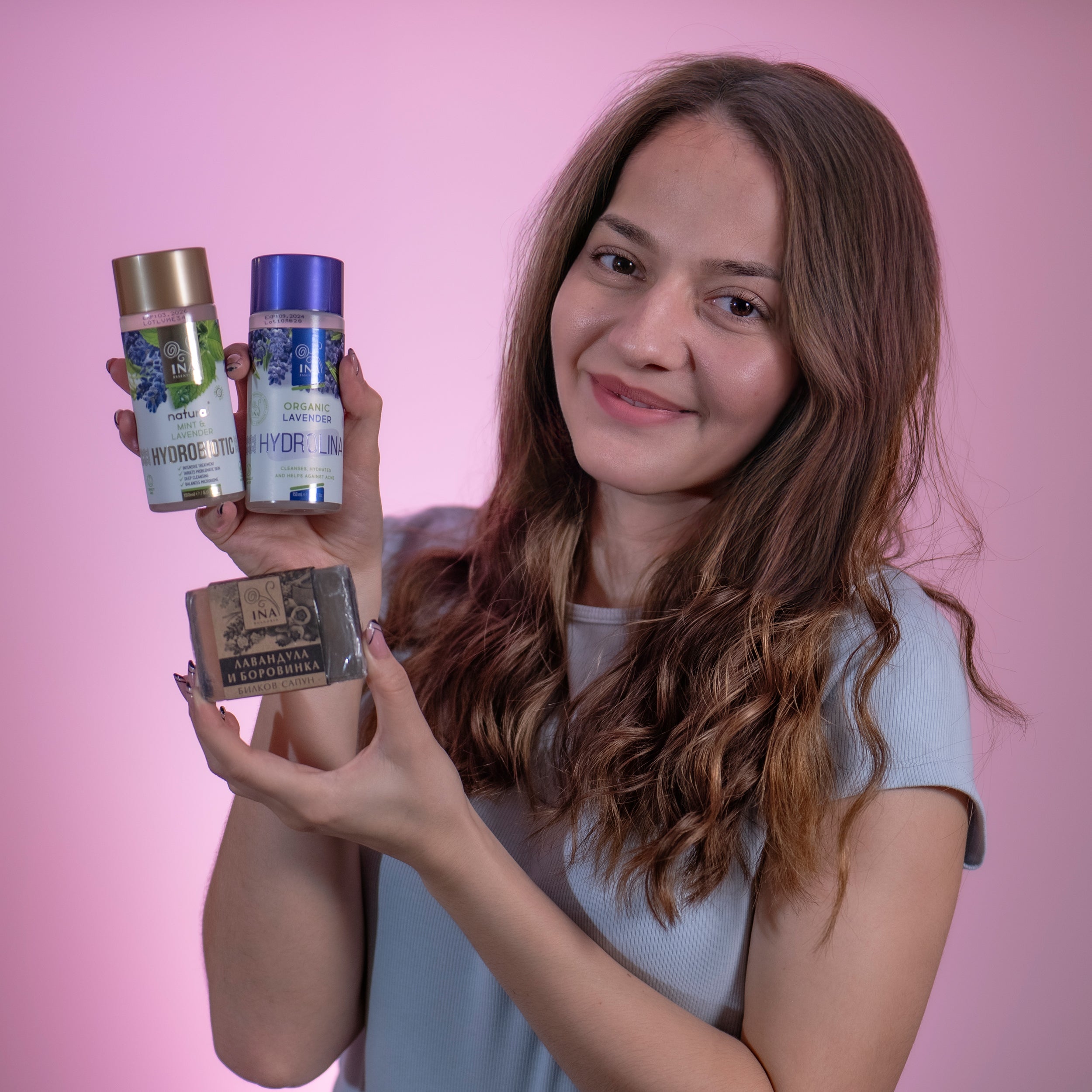
If you'd prefer a complete routine rather than individual products, Acne RoutINA™ brings together cleansing, toning and care in one kit, built specifically for skin prone to breakouts from oiliness.
When to see a doctor or dermatologist
Gentle care can help with everyday shine and the occasional spot, but some signs call for a professional opinion. Speak to your GP or a dermatologist if you notice:
- painful, deep lumps or cysts under the skin;
- spots that leave scars or dark marks;
- no improvement after two to three months of gentle, consistent care;
- sudden or severe acne in adulthood, especially with irregular periods or excess hair growth;
- spots that began after you started a new medicine;
- red, scaly or itchy patches around the mouth or nose that keep returning;
- acne that is affecting your mood or confidence.
Cosmetic care supports the skin, but it does not replace medical advice or prescribed treatment. For marks left behind after spots, see our guide to acne scars and pigmentation marks.
About the InaEssentials family

InaEssentials is a Bulgarian family-run producer with over 25 years of experience in organic farming and natural cosmetics using rose oil, herbal waters and active ingredients from its own plantations. Every product is made with care for the skin and respect for nature.
Frequently asked questions

10% off your order
Use code blog10 at checkout for 10% off!
Important information
This article is for informational purposes only and does not replace consultation with a doctor or dermatologist. InaEssentials products are cosmetic, not medicinal, and help support skincare, but they do not diagnose or treat skin conditions.