

What is acne

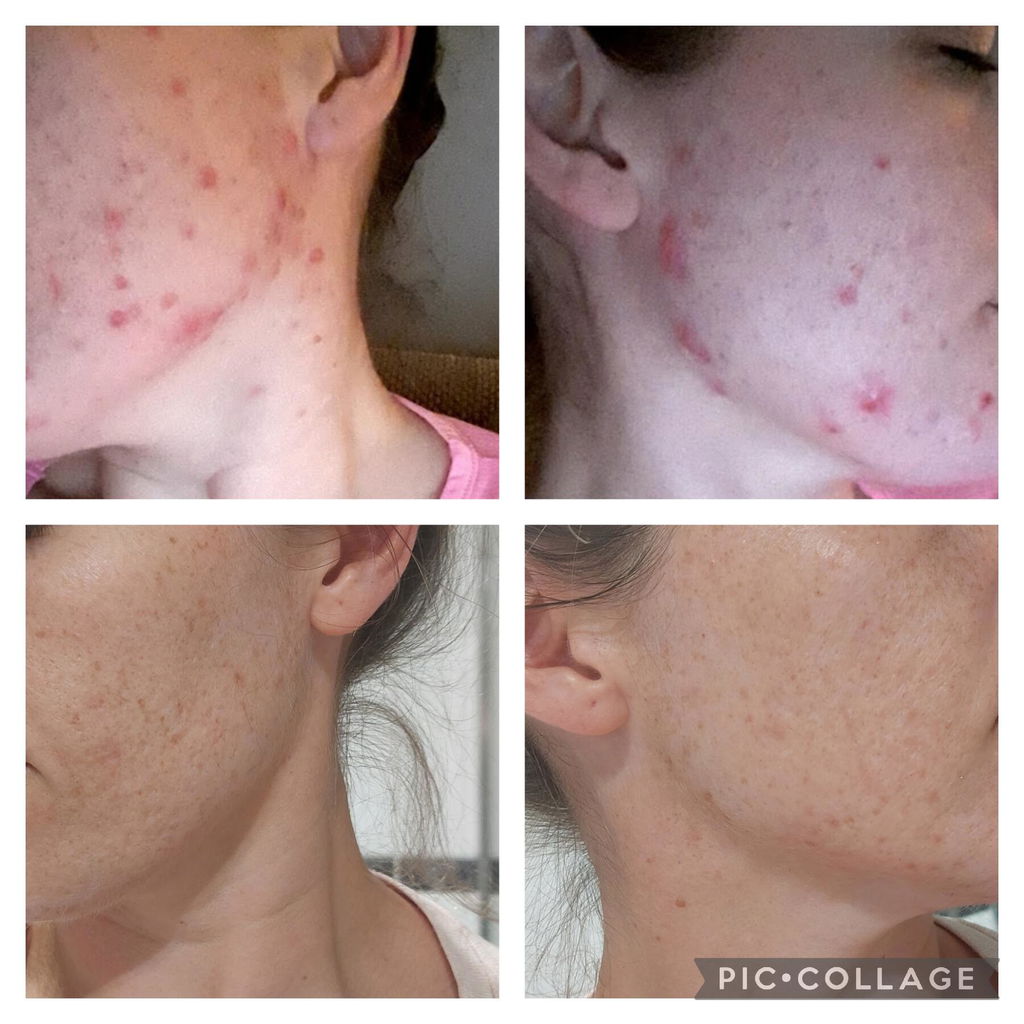
Acne is a common skin condition that affects the oil glands and hair follicles on the face and body. It develops when pores become blocked with dead skin cells and sebum (an oily secretion), leading to spots, comedones (blackheads and whiteheads), inflammation and marks.
Types of acne
Acne is generally divided into three main types, depending on severity and the kind of blemishes involved.
| Type of acne | What it looks like | Severity |
|---|---|---|
| Comedonal | Open comedones (blackheads) and closed comedones (whiteheads) caused by blocked pores. | Mild |
| Inflammatory | Papules, pustules and nodules: red, sometimes tender bumps on the face, back and shoulders. | Moderate |
| Cystic | Large, painful cysts beneath the skin that can leave lasting marks. | Most severe |
Comedonal acne
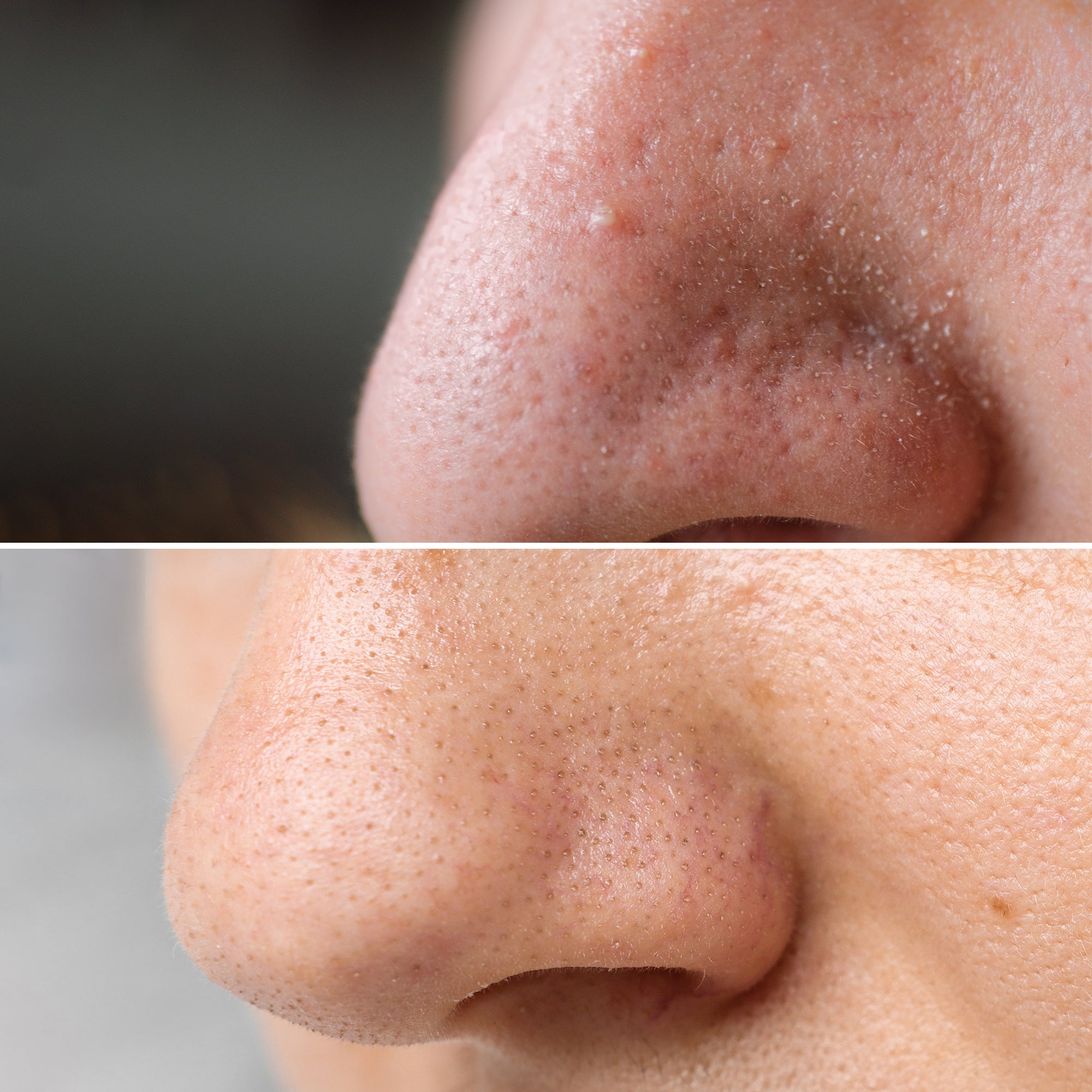
A mild form characterised by open comedones (blackheads) and closed comedones (whiteheads). It develops as a result of blocked pores, whether due to excess oil production or external impurities.
Inflammatory acne
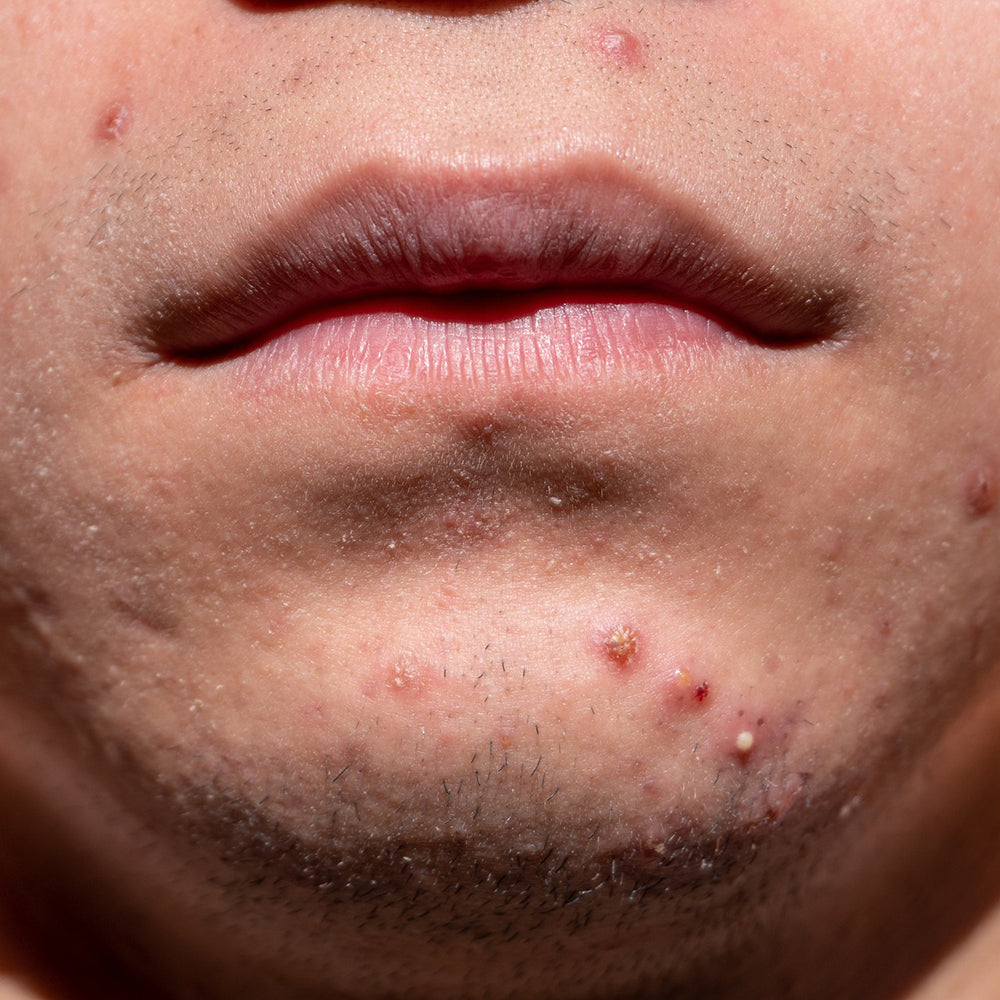
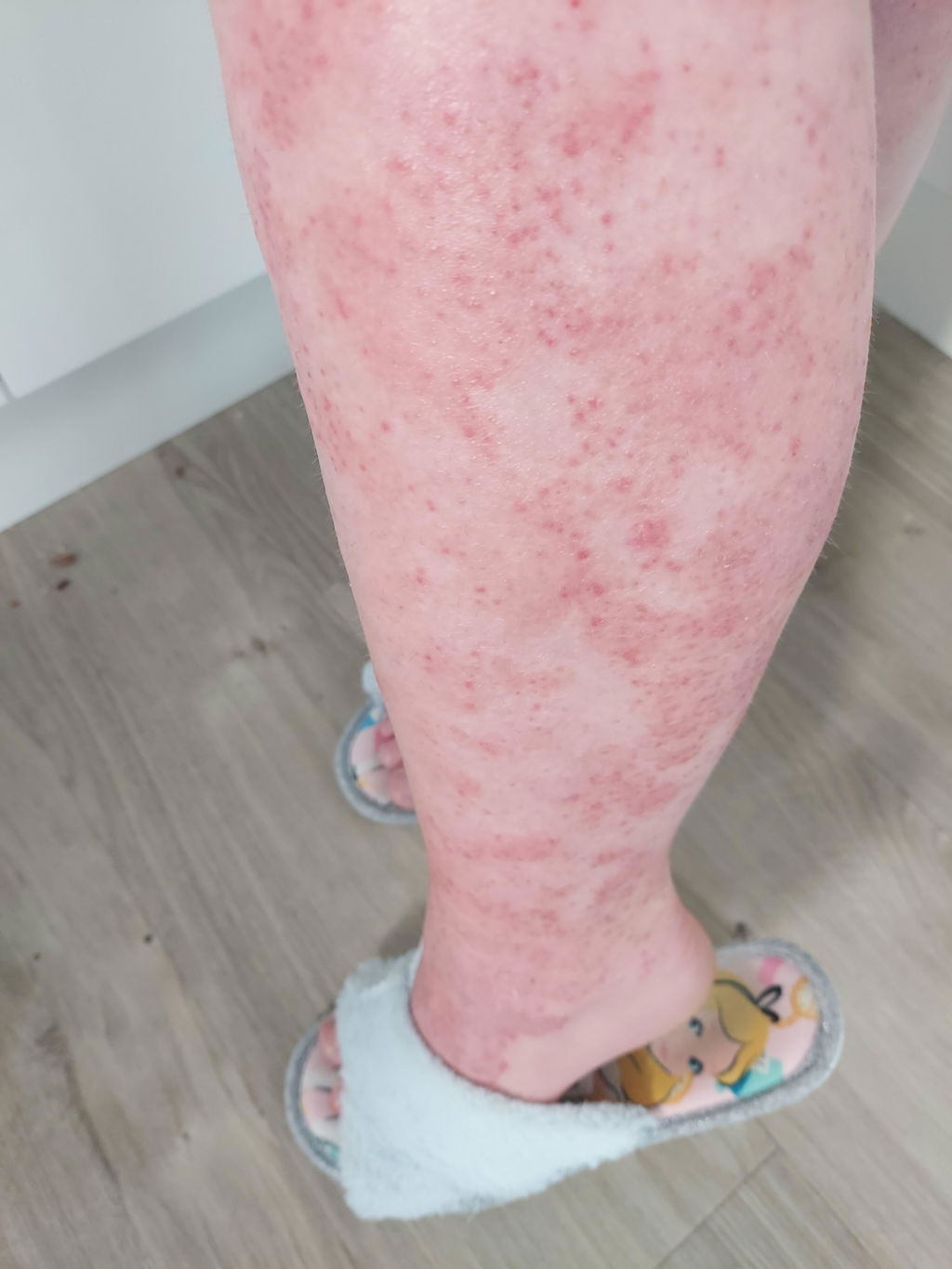
A moderate form with papules (small red bumps), pustules (spots containing pus) and nodules (large, firm bumps). These are the everyday troublesome spots: some can be tender or have a white centre, and can appear not only on the face but also on the back, chest and shoulders.
Cystic acne
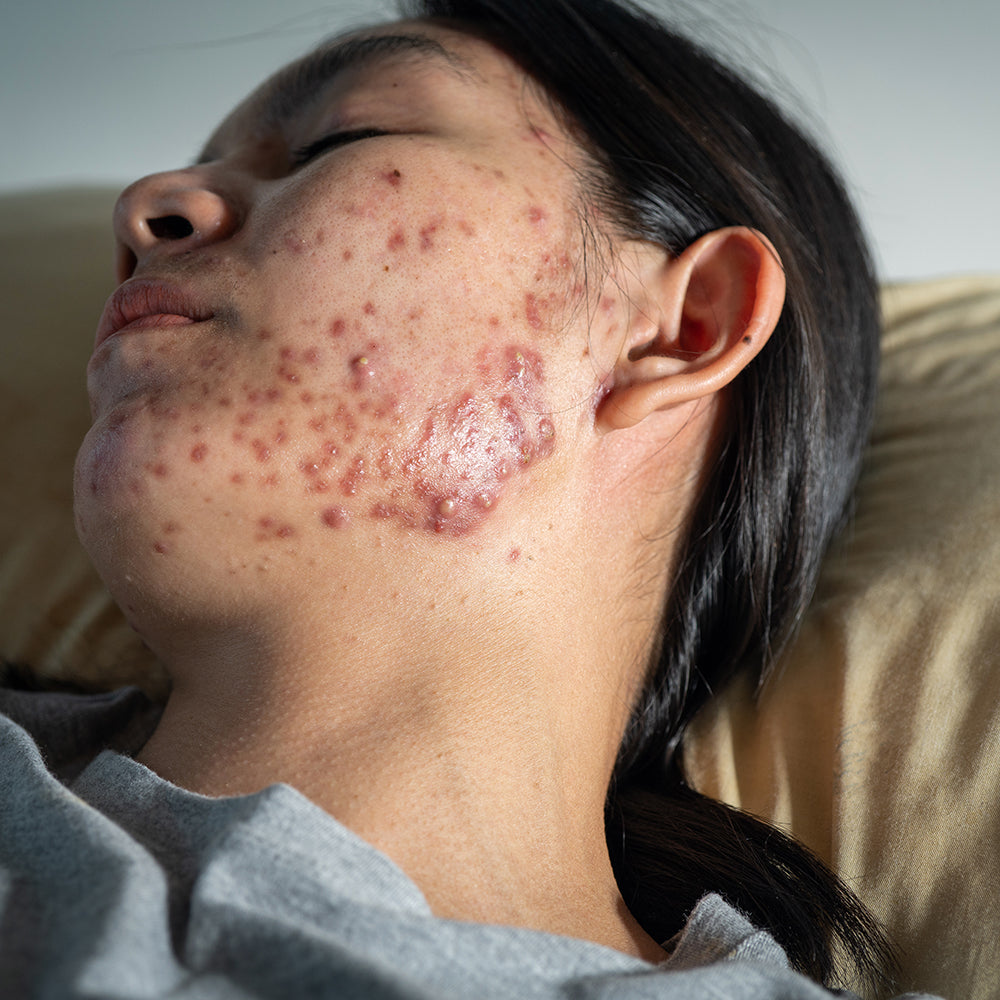
The most severe form, characterised by large, painful cysts beneath the skin that can leave lasting marks.
Causes of acne
Symptoms of acne
The main symptoms of acne include:
- Oily skin: the skin produces excess sebum, leading to a shiny appearance.
- Enlarged pores: pores widen to accommodate the excess sebum.
- Spots: various types of blemishes can appear, including:
- Blackheads (open comedones): open pores filled with sebum and dead skin cells.
- Whiteheads (closed comedones): closed pores filled with sebum and dead skin cells.
- Papules: small, firm, red bumps.
- Pustules: papules that have become inflamed and filled with pus.
- Nodules: large, firm, painful bumps beneath the skin.
- Cysts: large, pus-filled pockets beneath the skin.
Other symptoms of acne can include redness and inflammation of the skin, discomfort (especially with nodules and cysts), itching, and marks that acne can leave behind after healing.
Diagnosing acne
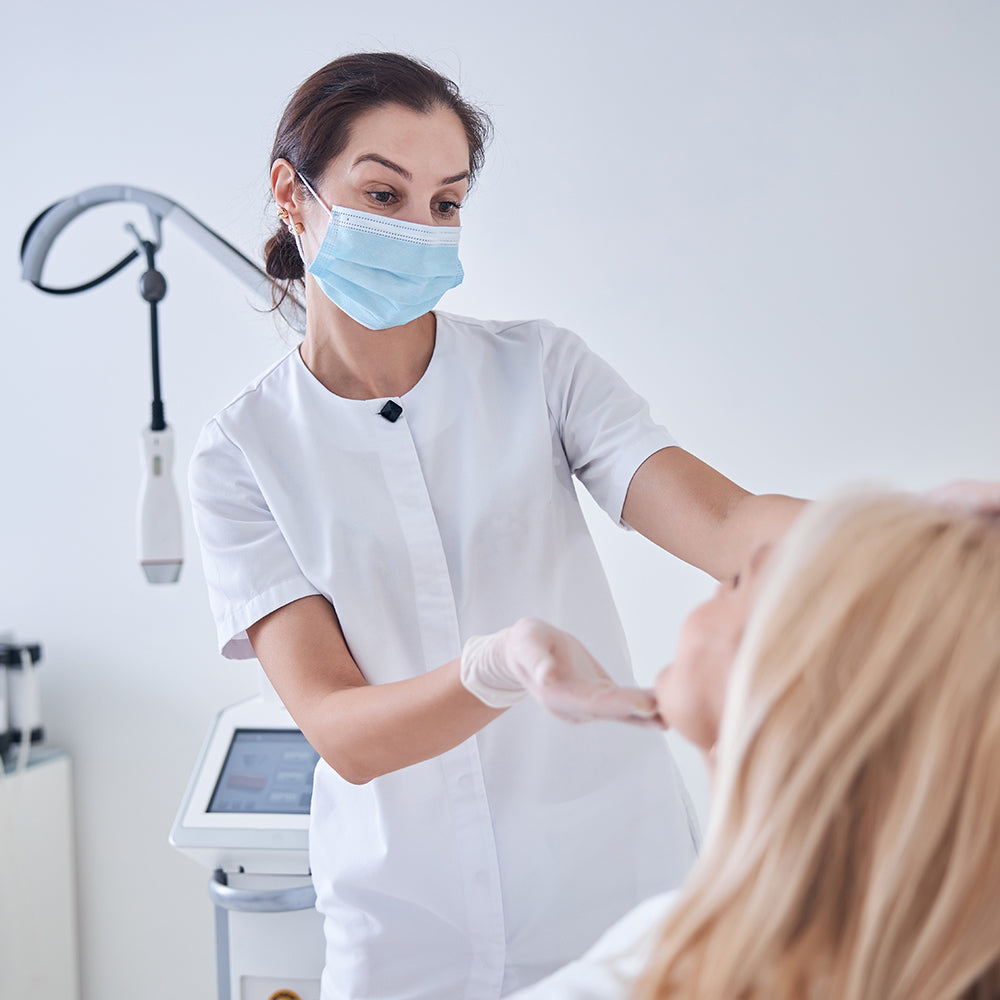
Acne is usually diagnosed based on a clinical assessment, that is, a standard dermatological examination. The doctor examines the skin to determine the type and severity of the acne, and asks further questions about:
- Symptoms: when they first appeared and how they've changed over time.
- Previous treatments: which methods you've used and what results they gave.
- Family history: whether any relatives have had acne.
- Medications: whether you're taking any medication that could affect acne.
- Hormonal factors: whether you have a hormonal imbalance that could contribute to acne.
In some cases, further tests may be needed to rule out other skin conditions or to establish the causes of the acne.
Treating acne
Care for acne depends on its severity. For mild acne, herbal natural products or cosmetics containing exfoliating active ingredients, such as AHAs (alpha hydroxy acids like glycolic acid), BHAs (beta hydroxy acids like salicylic acid), PHAs (polyhydroxy acids like gluconolactone), azelaic acid and others, are often enough.
It's important to know your skin type so you can choose the right active ingredient without irritating your skin. For more severe acne, a doctor may prescribe antibiotics or hormonal medication. Never take medication without medical advice or a prescription, as this could put your health at risk.
Lavender water for skin prone to acne
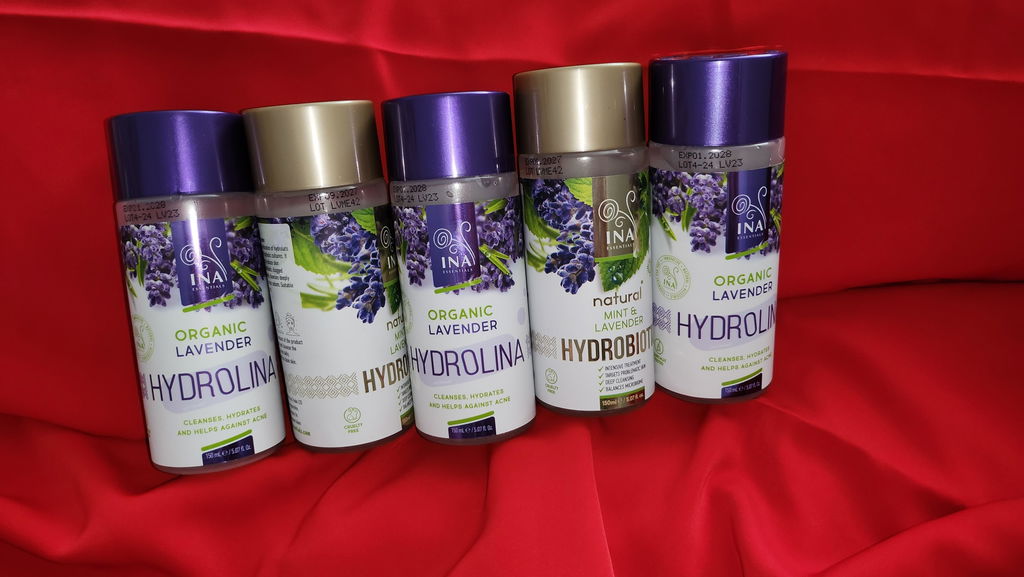
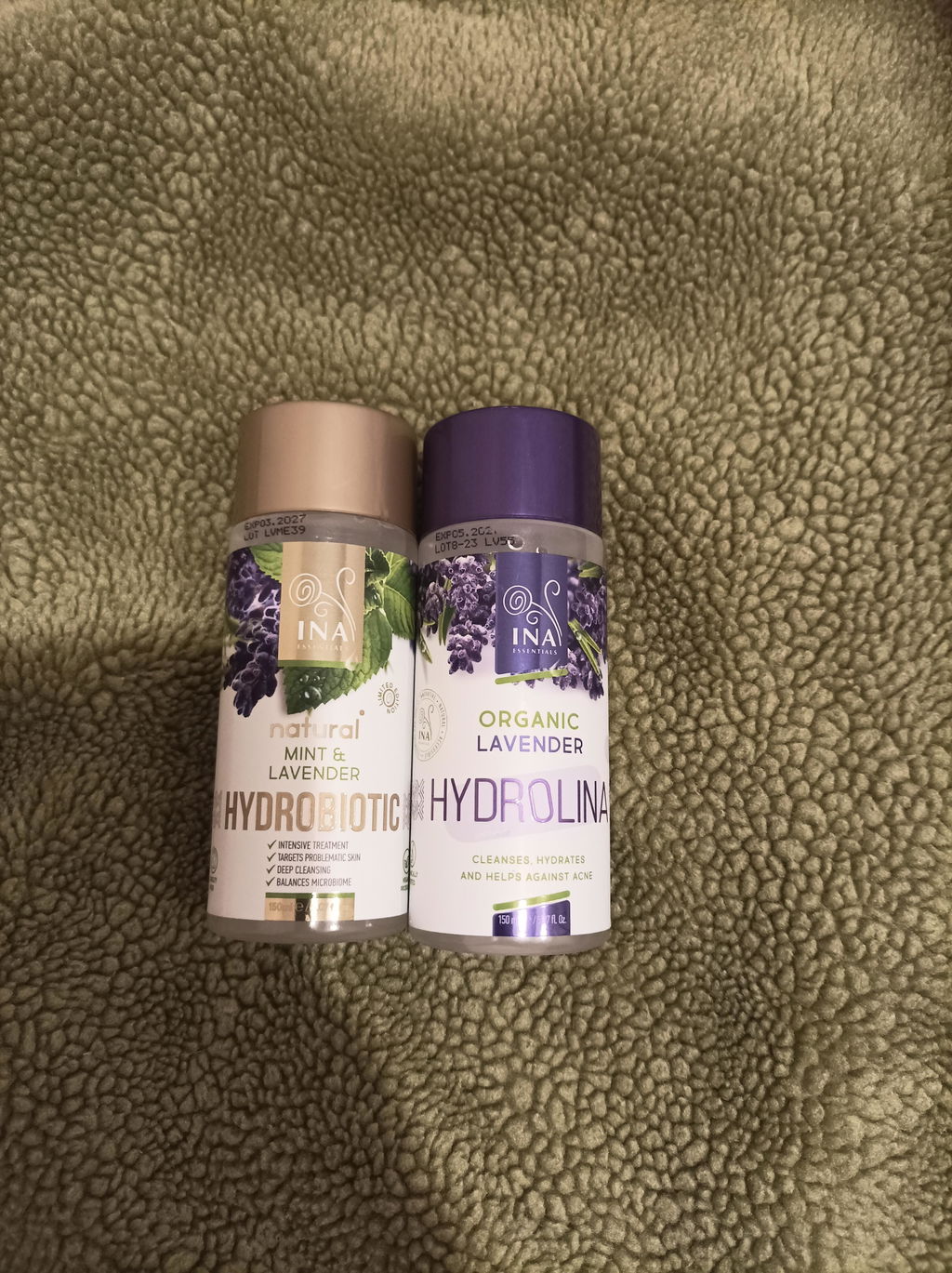
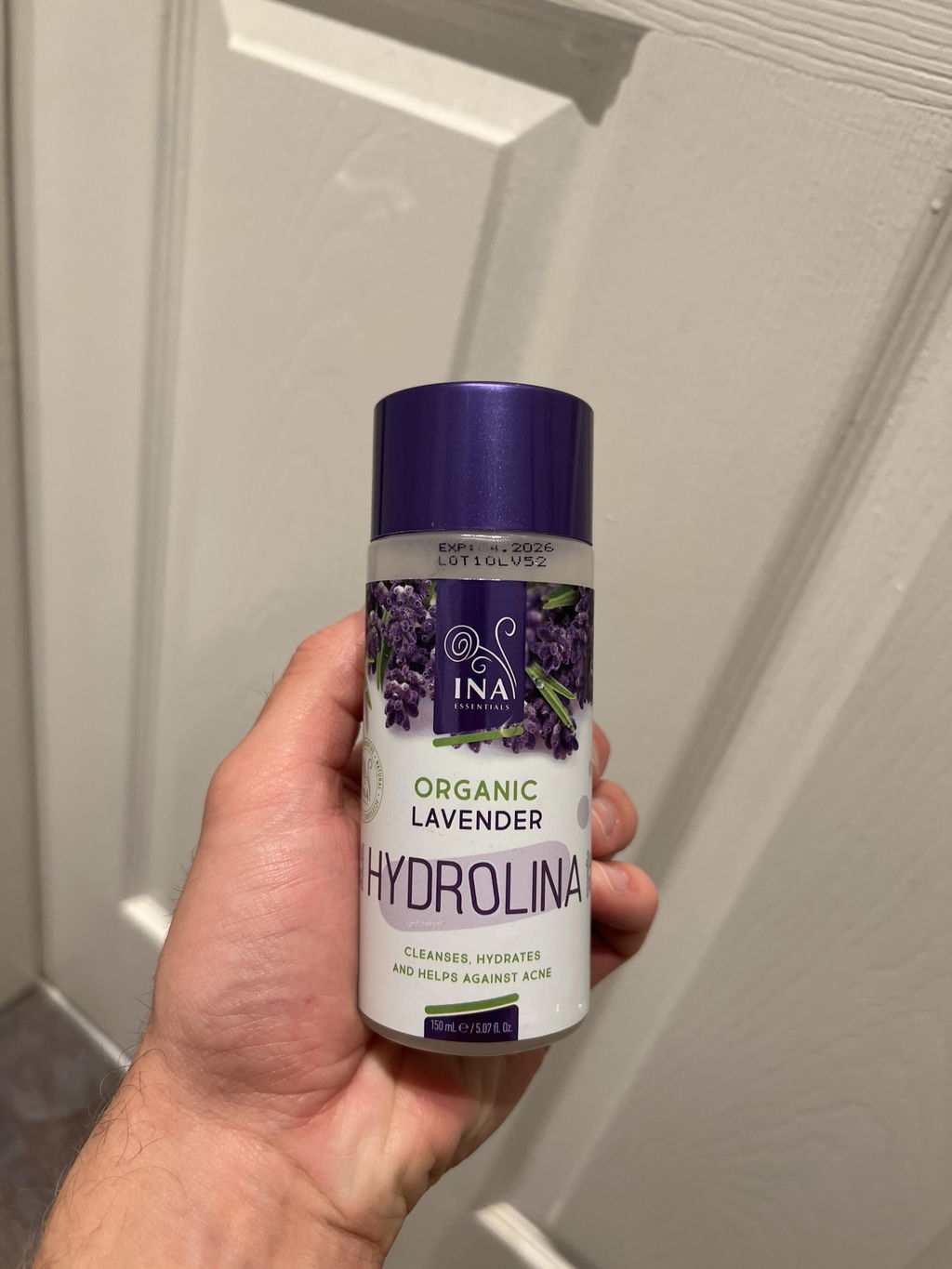
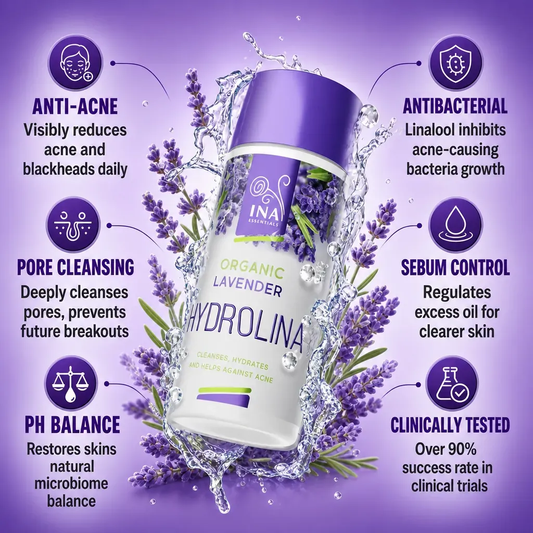
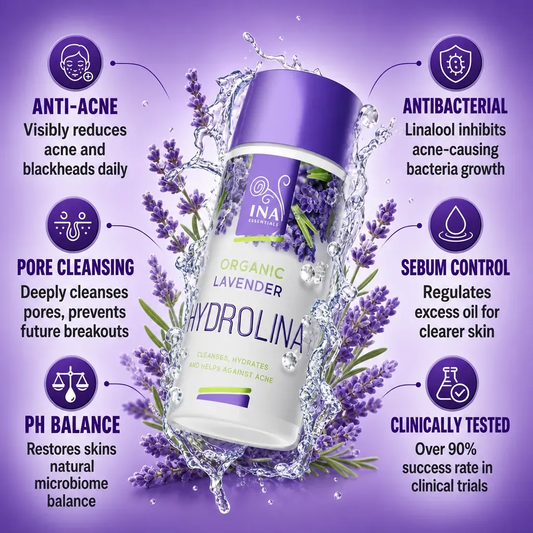
Organic Lavender water - Hydrolina is a natural product made through steam distillation of fresh lavender flowers. It's valued for its soothing and refreshing properties, which make it suitable for the care of skin prone to acne.

Here's how certified Organic Lavender water - Hydrolina can help support the care of skin prone to acne:
Herbal lavender water contains components that help support the skin's defences against the bacteria associated with acne breakouts.
Lavender helps soothe redness and irritation, leaving the skin looking visibly calmer.
Helps support the balance of sebum production, one of the main factors behind acne breakouts.
Helps refresh the skin and supports its comfort after blemishes appear.
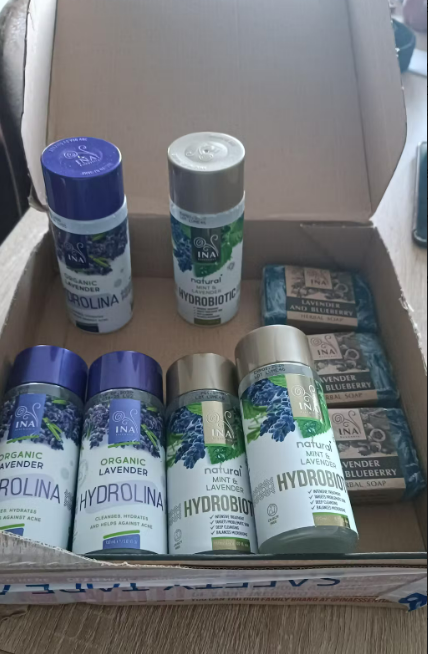
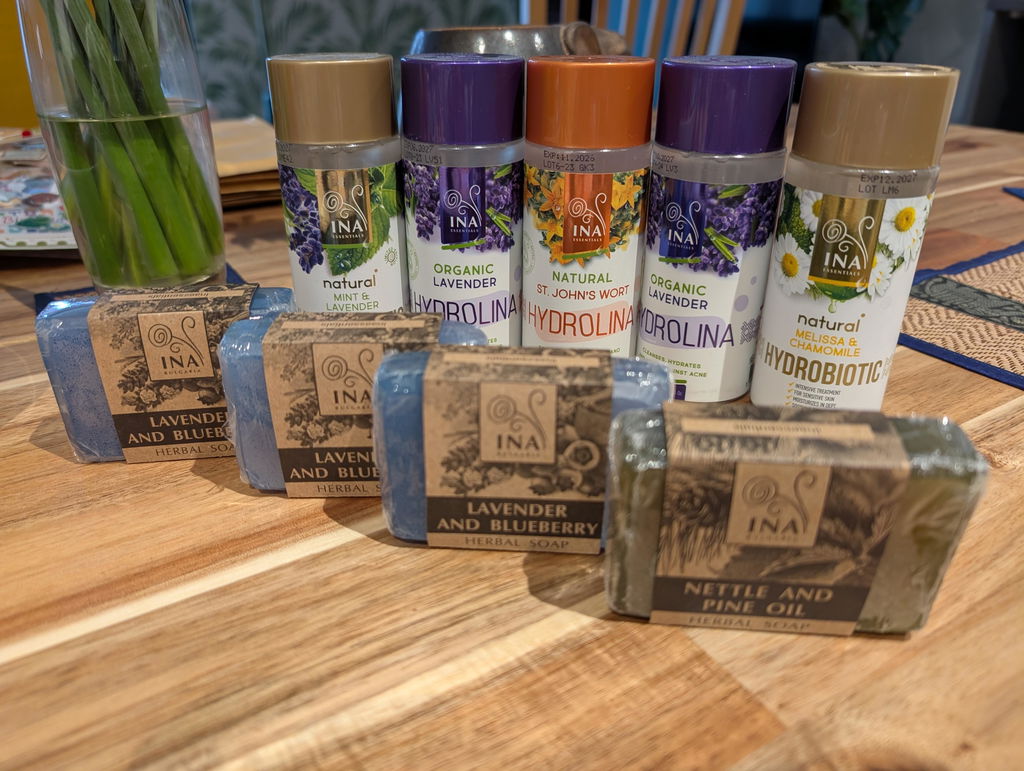
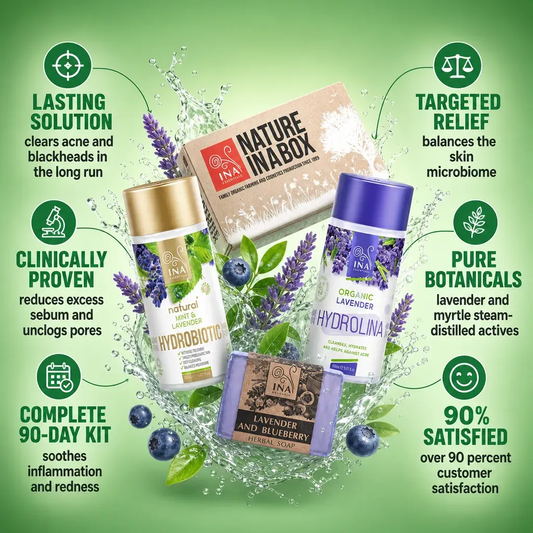
For a more complete approach, you could try Acne RoutINA™, a natural combination created to care for skin prone to acne over the long term. It includes:
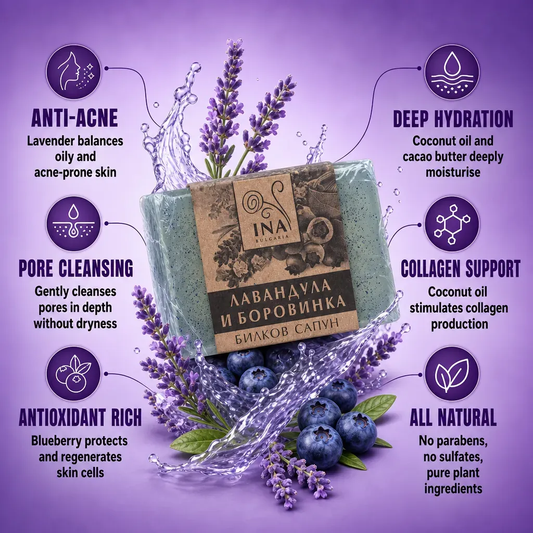
- Natural Herbal Soap with Lavender and Blueberry for Acne
- Organic Lavender water - Hydrolina
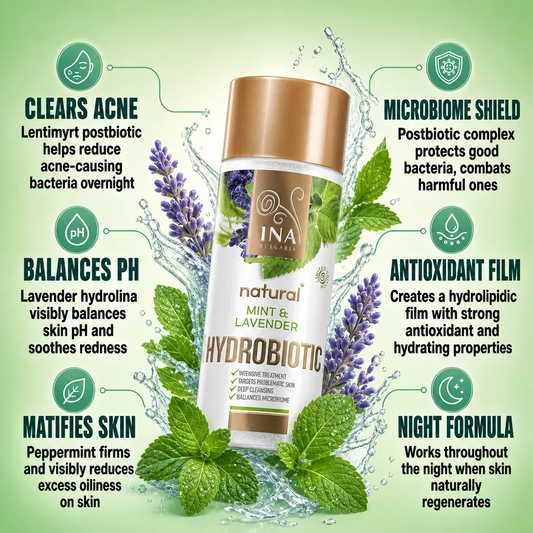
- Hydrobiotic - Lavender & Mint
Acne RoutINA™ - long-lasting care for skin prone to acne
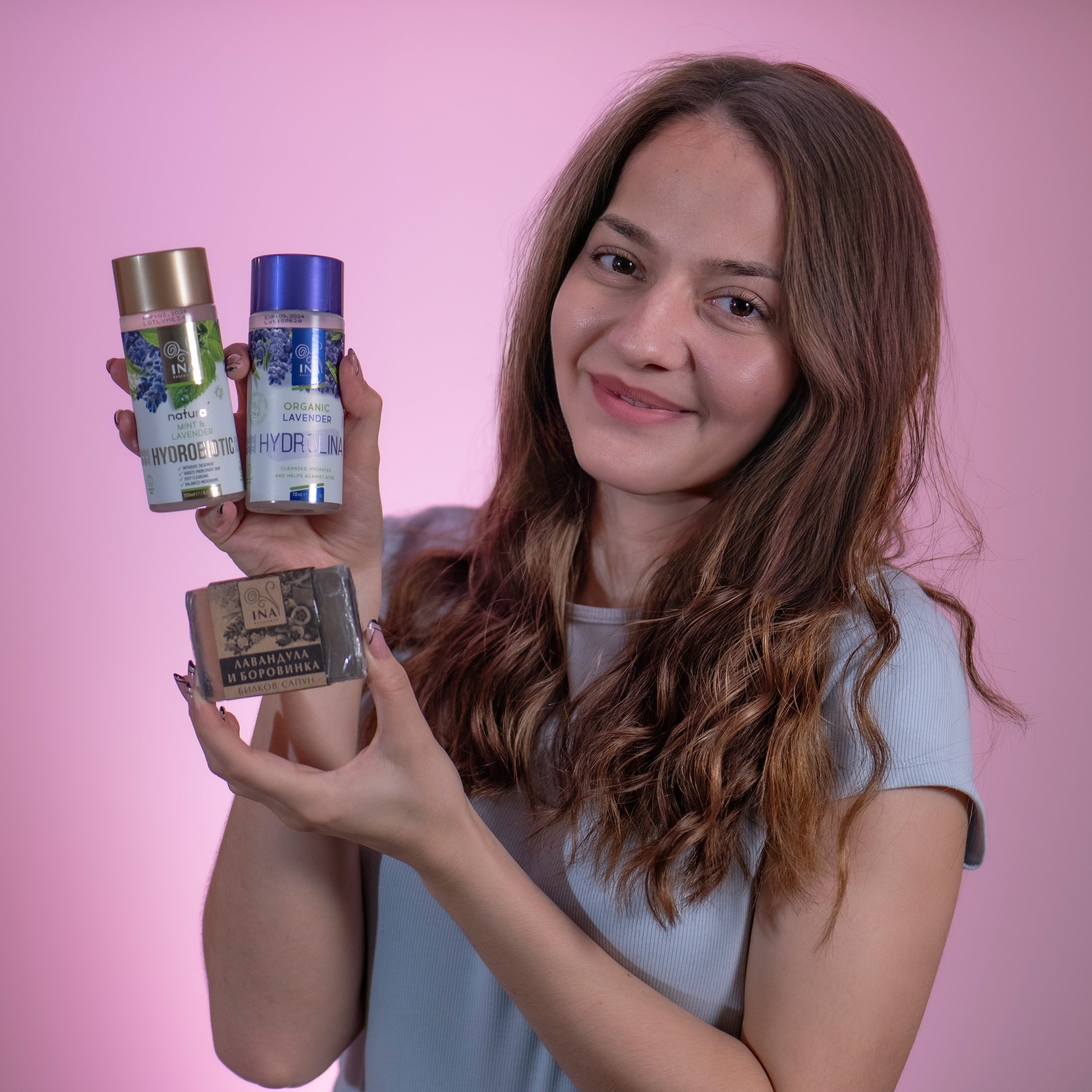
Acne RoutINA™ works in sync with the skin's natural processes. It provides care during the day and supports recovery overnight for a complete approach to skin prone to acne, blackheads and excess oiliness.
I order this for my daughter, and she's well pleased with the cosmetics.
Hello there! I've only been using the organic lavender water Hydrolina for a short while. It's a grand product, just like your other stuff. Leaves the skin lovely and soft, and clean too, without drying it out at all. Cheers!
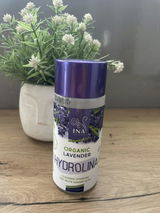
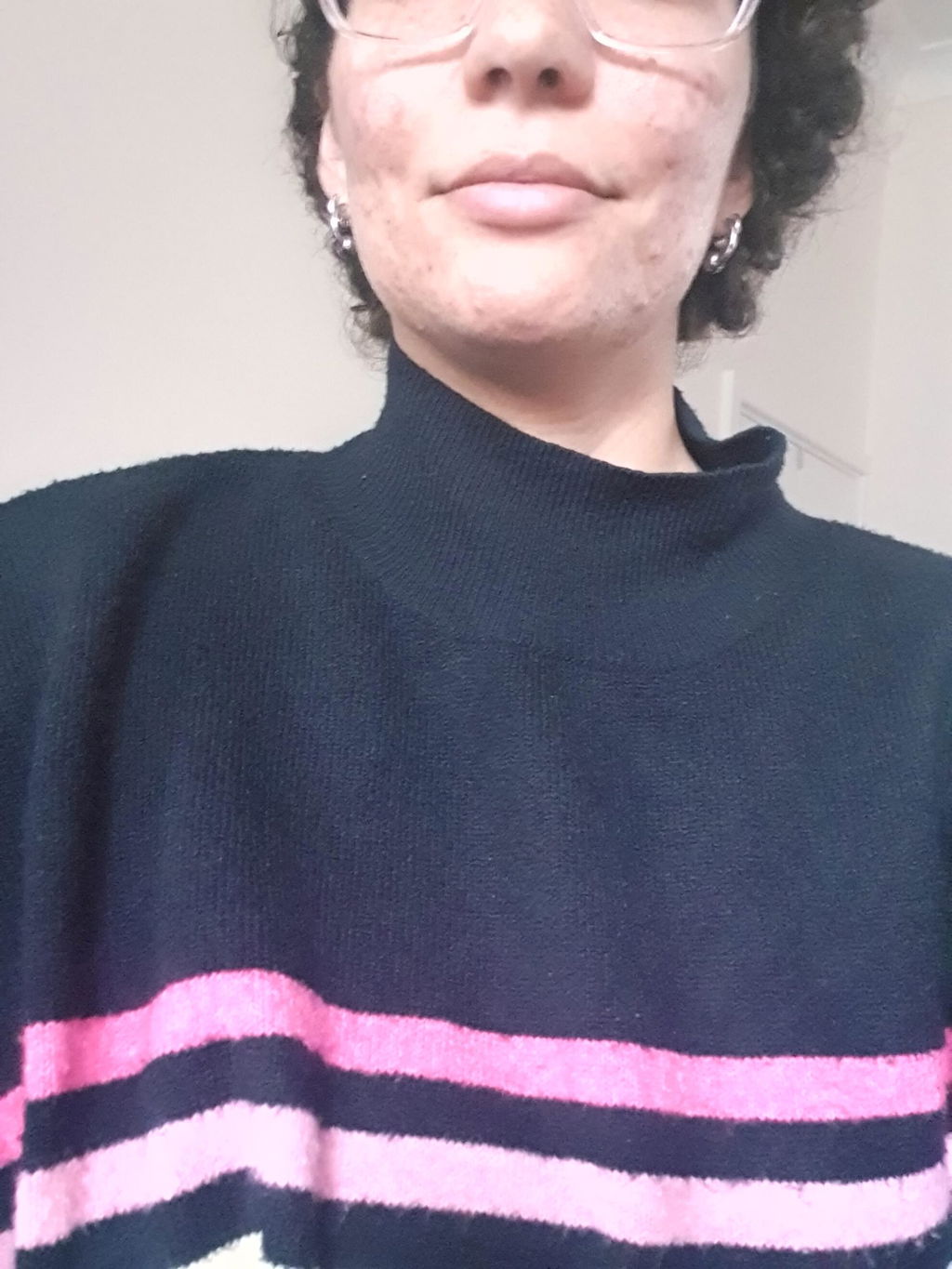
I bought this organic lavender water for my teenager. We saw results after just the first few uses. Can't recommend it enough!
How to help prevent acne breakouts
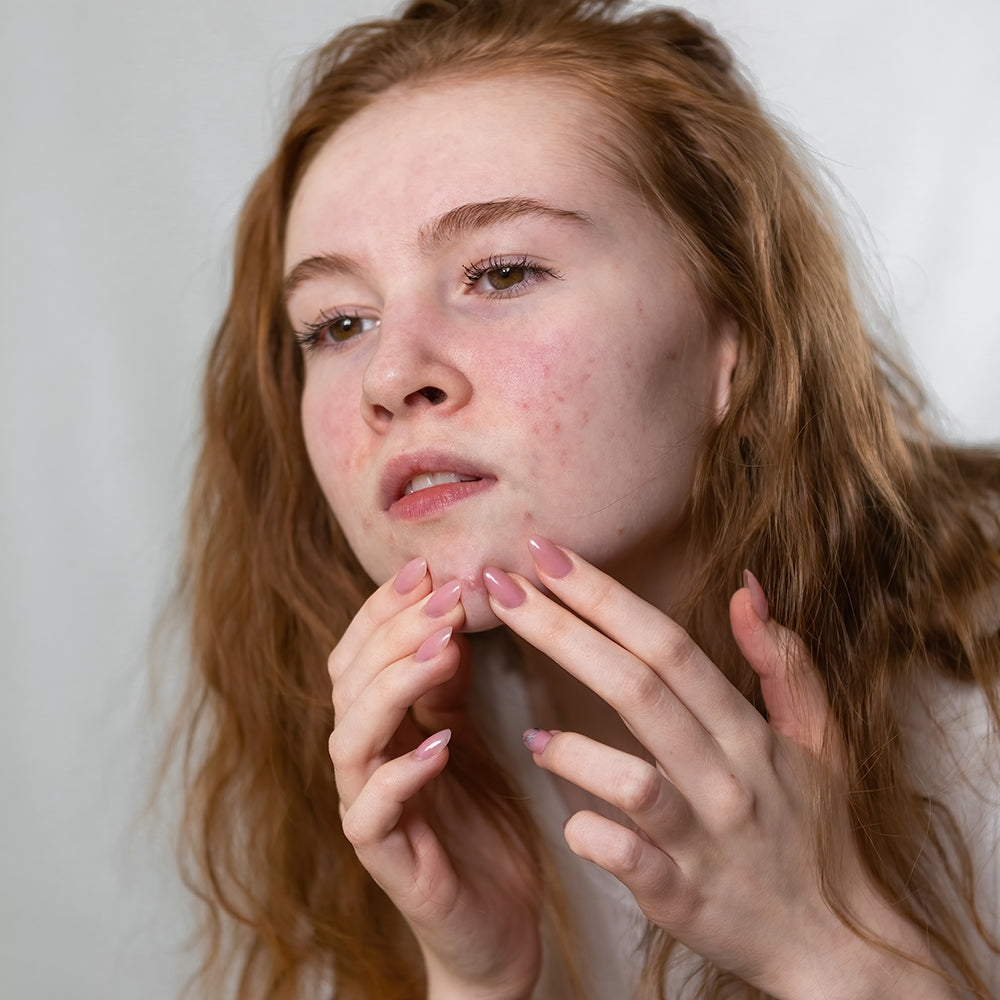
- First and most important tip: do not squeeze your spots. This can spread infection to the rest of the skin, may lead to marks and can slow down the healing process.
- Cleanse your face twice a day with a gentle cleanser and lukewarm water. To avoid disrupting your skin barrier, in the mornings you can simply rinse with lukewarm water or use InaEssentials' Natural Herbal Soap with Lavender and Blueberry, a gentle organic product rich in valuable oils and vitamins that doesn't dry out the skin.
- Avoid harsh exfoliants. Don't exfoliate more than once or twice a week, as frequent exfoliation can damage the skin barrier and dehydrate the skin. It's a myth that oily skin doesn't need hydration: sometimes excess sebum production happens precisely because the skin is dehydrated and trying to restore its balance.
- Avoid touching your face with dirty hands and sleep on clean bedding. Change your pillowcases at least once a week to help prevent the spread of bacteria while you sleep.
- Avoid wearing heavy make-up every day and let your skin breathe. Excessive make-up can block the pores, and a good example of skin being smothered is so-called "maskne" from wearing face masks for long periods.

More ways to help prevent acne:
- Use non-comedogenic cosmetic products, formulated not to block the pores.
- Keep your hair clean. Oily hair can contribute to breakouts, especially if it touches your face.
- Eat a healthy diet. Some foods may contribute to breakouts, while others can help support healthier-looking skin.
- Reduce sources of stress: exercise, try yoga or meditation, spend time outdoors, get enough sleep and avoid overloading yourself.

Acne and mental wellbeing
Acne can affect self-esteem and increase anxiety, while stress in turn can make the skin look worse. If blemishes are taking an emotional toll on you, consider seeking support from a loved one, a dermatologist or a psychologist.
Acne and pregnancy

Acne during pregnancy is usually hormonal and, in most cases, temporary. Some ingredients and medications aren't safe to use during pregnancy, so always consult your doctor or gynaecologist before using any product on your skin.
Acne in men
Men can experience acne too, and in men it often also appears on the back and shoulders due to higher testosterone levels, sweating and friction. With patience, consistency and the right care, skin can look visibly calmer. 💜
About the InaEssentials family

InaEssentials is a Bulgarian family business with over 25 years of experience in organic farming and natural cosmetics, using rose oil, herbal waters and active ingredients from their own plantations. Every product is created with care for the skin and respect for nature.
Frequently asked questions

Important information
This article is for informational purposes only and does not replace consultation with a doctor or dermatologist. InaEssentials products are cosmetic, not medicinal, and are not intended to diagnose, treat or prevent any disease. For severe or persistent acne, please consult a specialist.