

Updated: September 2026
In September sandals give way to closed shoes, and heels thinned by summer start rubbing against a stiff heel counter, so the rim splits again. Choose shoes with a rounded, softly lined back and apply your cream in the evening, so the skin is not hardened under pressure all day.
When we search for the hidden cause of cracked heels, our attention usually turns to a cosmetic lack of moisture or to underlying health conditions. The truth, however, is that our daily footwear choices play a fundamental role. The way we walk and the soles we choose exert direct physical pressure — one that can literally rupture the structure of the skin.
- The anatomical interaction: how does footwear affect the heels?
- Summer hazards: walking barefoot and cracked heels
- Clinical evidence: what does the study say about skin deformation?
- Prevention and protection: the right socks and insoles for every day
- Deep recovery: Fungomycol after a long, demanding day
- About InaEssentials' clean mission and family
1. The anatomical interaction: how does footwear affect the heels?

Every time we take a step, the natural fat pad beneath the heel bone spreads outward to absorb the impact with the ground. When footwear is correctly constructed — with a stable, enclosed heel counter — it wraps around the foot and keeps that fatty tissue in place. When we wear flip-flops, mules, or open-backed sandals, however, the fat pad spreads freely sideways with no support whatsoever.
Beyond the structure of the heel counter, sole hardness is also a critical factor. Footwear with soles that are too thin or extremely rigid transfers the force of impact directly onto the heel, causing microtrauma to the hydrolipidic barrier. The skin responds to this accumulated stress by rapidly building up a protective layer of dead cells (hyperkeratosis), which is highly prone to cracking.
2. Summer hazards: walking barefoot and cracked heels

During the warmer months, the desire to free our feet leads to two habits that rapidly worsen the condition of the soles: wearing fully open footwear for long periods and walking barefoot on absorbent surfaces. The constant, direct exposure to hot air, street dust, and dry wind literally draws out what little moisture remains in our heels — which by their very nature have no sebaceous glands.
- Contact with surfaces: Walking barefoot on carpets, rugs, or warm sand acts like a natural sponge — these materials absorb the precious lipids from the skin's surface and accelerate its hardening.
- Mechanical friction: When wearing flip-flops, the sole slaps repeatedly against the heel with every step. This repeated mechanical impact damages the delicate tissue and prompts the body to produce an even thicker, yellowish layer of dead skin.
3. Clinical evidence: what does the study say about skin deformation?
The link between foot position and the physical changes within the skin matrix is scientifically established. In the study, researchers analysed how changes in gait and flexion directly influence the layers of the sole's skin in real time, using innovative 3D kinematic markers and precise ultrasound investigations.
Official scientific measurements show that during the phase of movement in which the foot flexes upwards (dorsiflexion), the skin on the underside of the foot thins, stretches intensely, and increases its stiffness level by up to 20% in real time. This structural response is designed to protect the sole from friction and the pressure of body weight.
4. Prevention and protection: the right socks and insoles for every day

To protect our soles from the damaging effects of biomechanical pressure, we need to pay attention to the small details in our daily routine. Choosing the right socks and orthopaedic accessories can radically change how the skin responds to walking:
- Synthetic materials vs. natural cotton: Socks made from synthetic fabrics suffocate the foot, disrupt thermoregulation, and intensify friction. Always choose socks made from pure cotton or bamboo, which absorb excess moisture and allow the skin to breathe freely.
- Anatomical insoles: If your occupation requires you to stand for long periods on tiles or concrete, always place gel-cushioning insoles in your footwear. These distribute body weight evenly and reduce tension in the critical pressure zones.
5. Deep recovery: Fungomycol after a long, demanding day

After subjecting our feet to a full day of stress, the skin needs intelligent, deep care that restores its elasticity without aggressive mechanical scrubbing. To break the vicious cycle, what is needed is a product that gently exfoliates and moisturises the living cells at the same time.
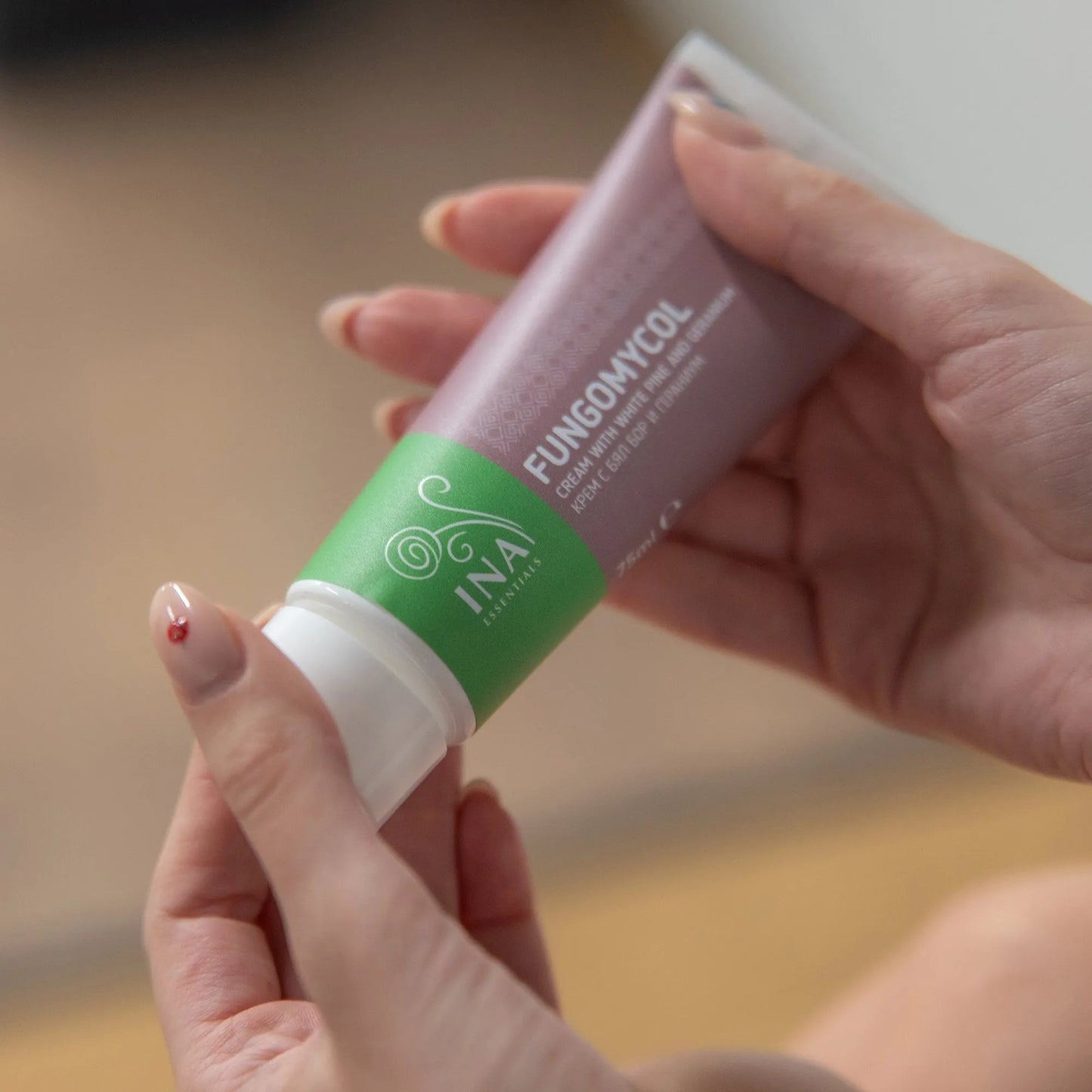
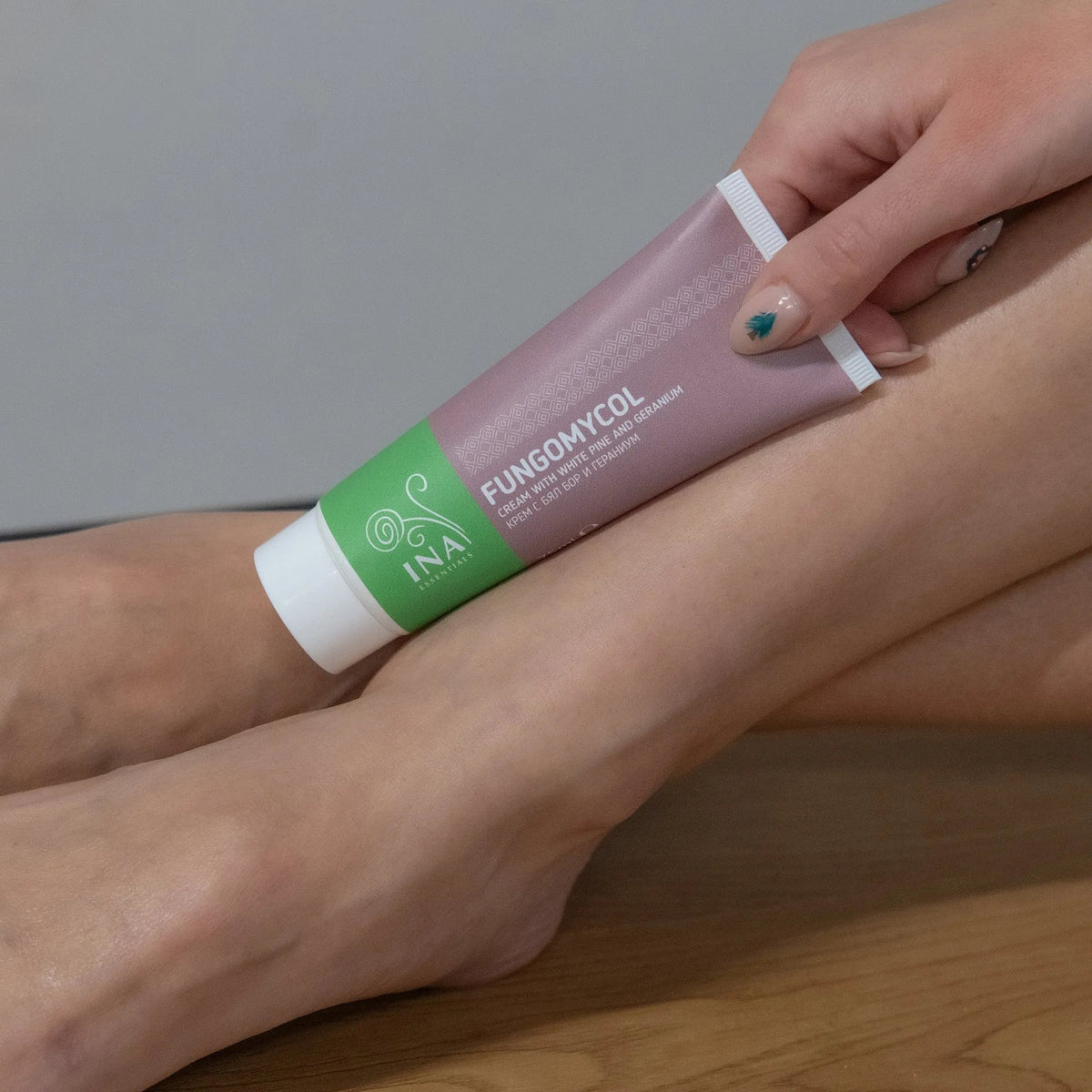
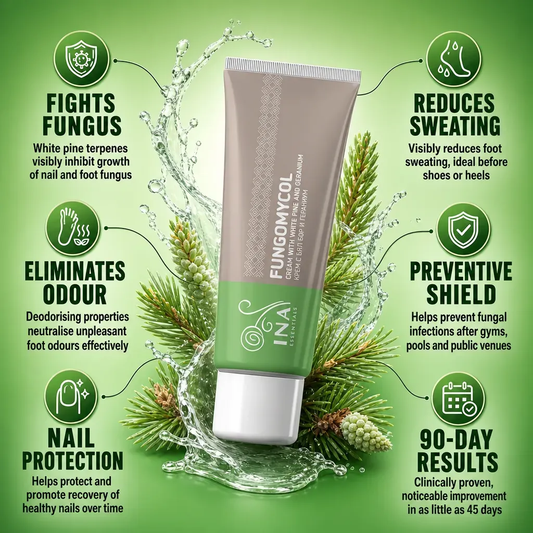
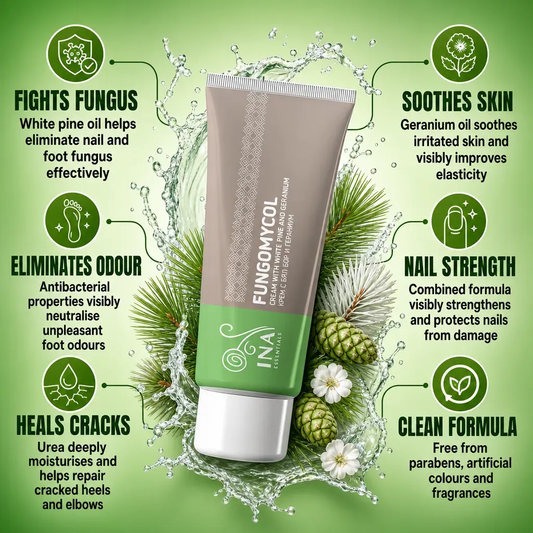
That is precisely what Fungomycol Cream by InaEssentials provides — an effective cream for severely cracked heels and dry elbows, specially formulated for the purpose. Its action comes from a carefully selected synergy of powerful natural extracts and modern dermatological ingredients:

Urea is a natural component of skin that penetrates the hard surface layer, attracts moisture, and seals it into the deeper layers of the dermis. It softens hardened areas without any friction, preparing the tissue for regeneration.
Because heel fissures are delicate areas, these two plants provide precious purifying care, rapidly soothe irritation, and maintain a lasting sensation of freshness and comfort.
These ingredients durably restore the impaired elasticity of the skin matrix. They nourish the epidermis so that, at the next dorsiflexion pressure, the skin stretches flexibly rather than splitting again.
Restore silky softness to your soles:

Don't let the wrong footwear choices sabotage your comfort. Give your soles pure, organic care drawn directly from the heart of Bulgarian nature.
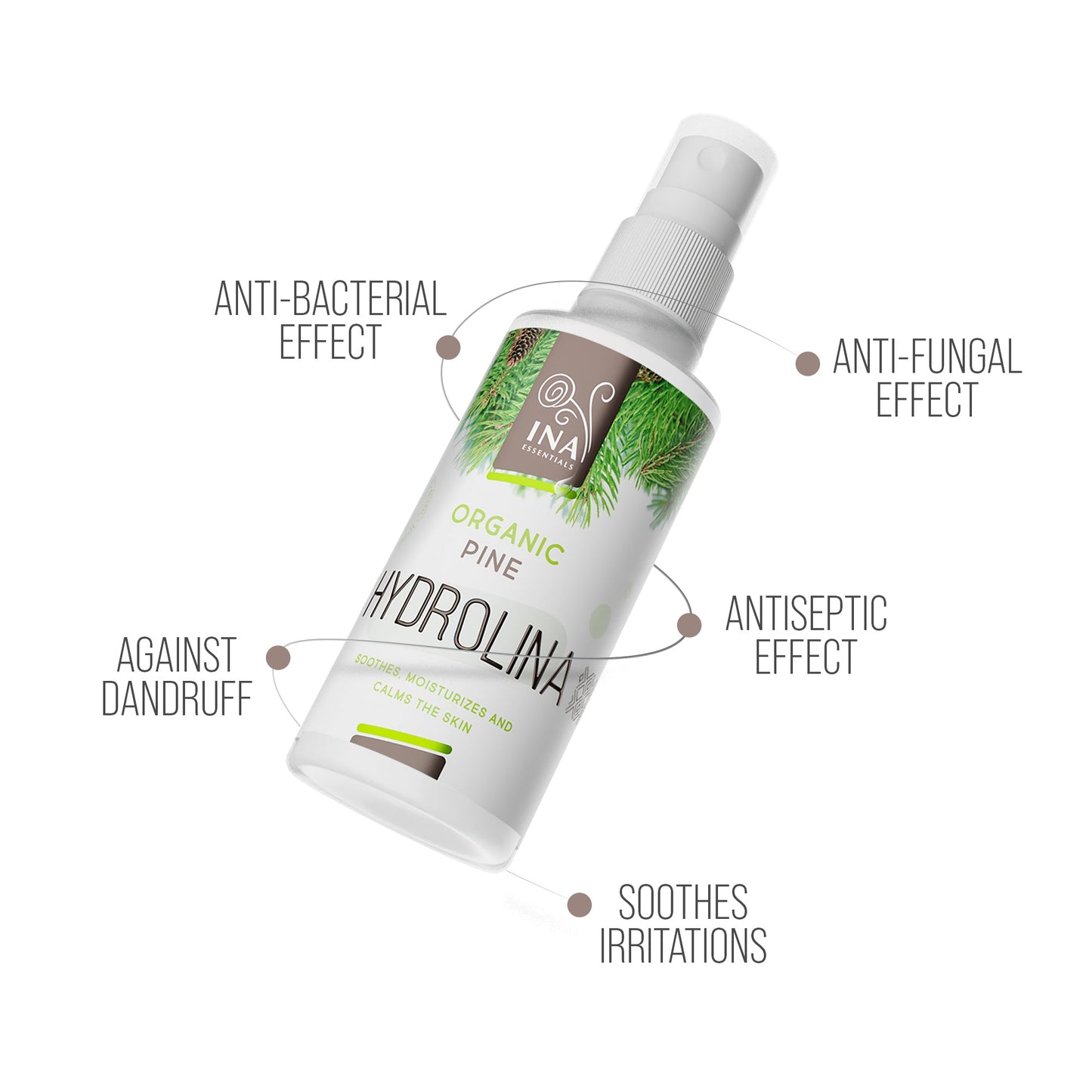
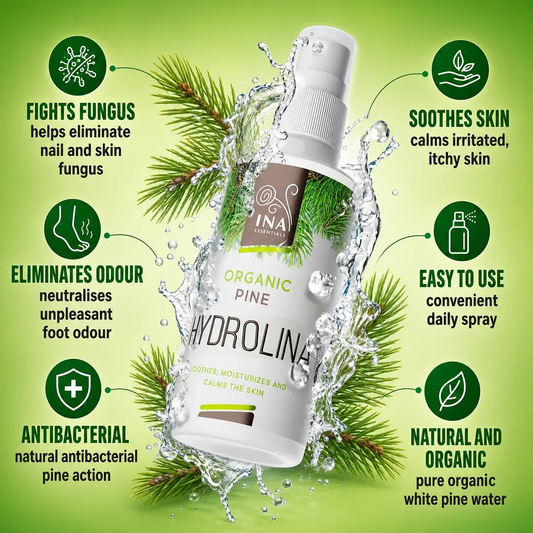
(The Organic White Pine Water gift is the ideal partner in daily care — it helps regulate excessive foot perspiration and effectively keeps feet feeling fresh and comfortable!)


6. About InaEssentials' clean mission and family

InaEssentials is more than a cosmetics brand — it is a shared family cause, born of a love for Bulgarian nature and a belief in pure, unadulterated care. We believe that the finest solutions for our health and beauty come directly from the earth. That is why we close the complete production cycle — from our own carefully tended, uncompromisingly organic fields, right through to the finished product that reaches you.
Every drop and every formula — including Fungomycol Cream — carries the spirit of our traditions and our promise of real, natural cosmetics that deliver genuine results and restore a sense of comfort to your everyday life.
Study:
- • Smith SGVS, Yokich MK, Beaudette SM, Brown SHM, Bent LR. (2019). "Effects of foot position on skin structural deformation." Journal of the Mechanical Behavior of Biomedical Materials. PMID: 31054375.
- _____________________________________________________
- *This article is purely informational and educational in nature. The analyses presented and the natural cosmetic practices described are based on phytotherapeutic research and are not intended to replace individual medical advice, professional diagnosis, or treatment by a certified dermatologist or podiatrist.